

Newsletter November 16, 2026
Autumn Aromatics: Developing Your Thanksgiving Line Collection
Developing fall scents is about more than just cinnamon. We'll break down how to build a complex, cohesive line inspired by rich culinary notes and earthy ingredients.
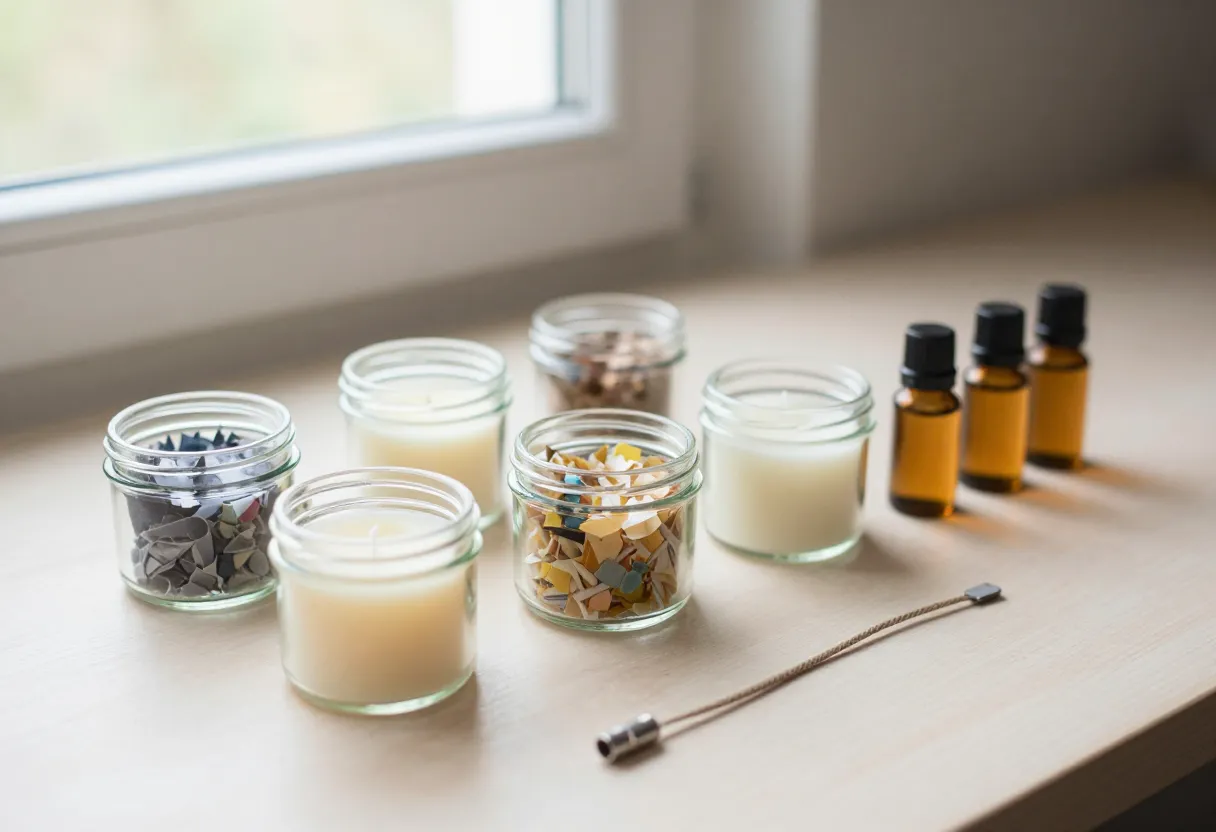
It’s Time for Fall: Making Candles That Smell Like Comfort
As the weather turns, I notice more makers shifting their focus toward autumn collections. There is something specific about that time of year—it’s less about a single scent and more about a feeling of warmth and heavy textures. For many of us, that means translating the complex, rich aromas of Thanksgiving into a candle.
This isn’t a straightforward task. A kitchen during a holiday meal is filled with volatile compounds from roasting meats, simmering sauces, and toasted grains. Capturing those in wax is a challenge because some of those notes are incredibly fleeting or can turn “off” when mixed with certain waxes. My goal this season is to help you move past the idea of just making a candle that smells like “food” and toward creating something that evokes the memory of comfort. It requires looking at your scent profile not as a list of ingredients, but as an atmosphere you are trying to build on the workbench.
The Difference Between Cooking Smells and Candle Scents
One thing I learned early in my candle-making journey is that what smells great coming out of a hot oven doesn’t always translate perfectly into a steady burn. Culinary aromas are often highly volatile—they are designed by nature (or chemistry) to move through the air quickly. When you try to lock those same notes into wax, they can sometimes disappear during the cure or turn sharp and medicinal.
To get that “baked” feel in your candles, you have to be intentional about note selection. If you want a kitchen-inspired scent, look for fragrance oils that emphasize toasted, caramelized, or “browned” elements rather than just raw spices. For example, instead of a sharp, fresh sage that might vanish, look for notes that suggest a savory herb mash. It’s all about finding the stable version of those fleeting culinary memories. I often find that makers get this backwards by trying to recreate the literal smell of a dish; it’s much more effective to aim for the “afterglow” of the meal—the lingering warmth and spice.
Building a Cohesive Line: Notes, Colors, and Moods
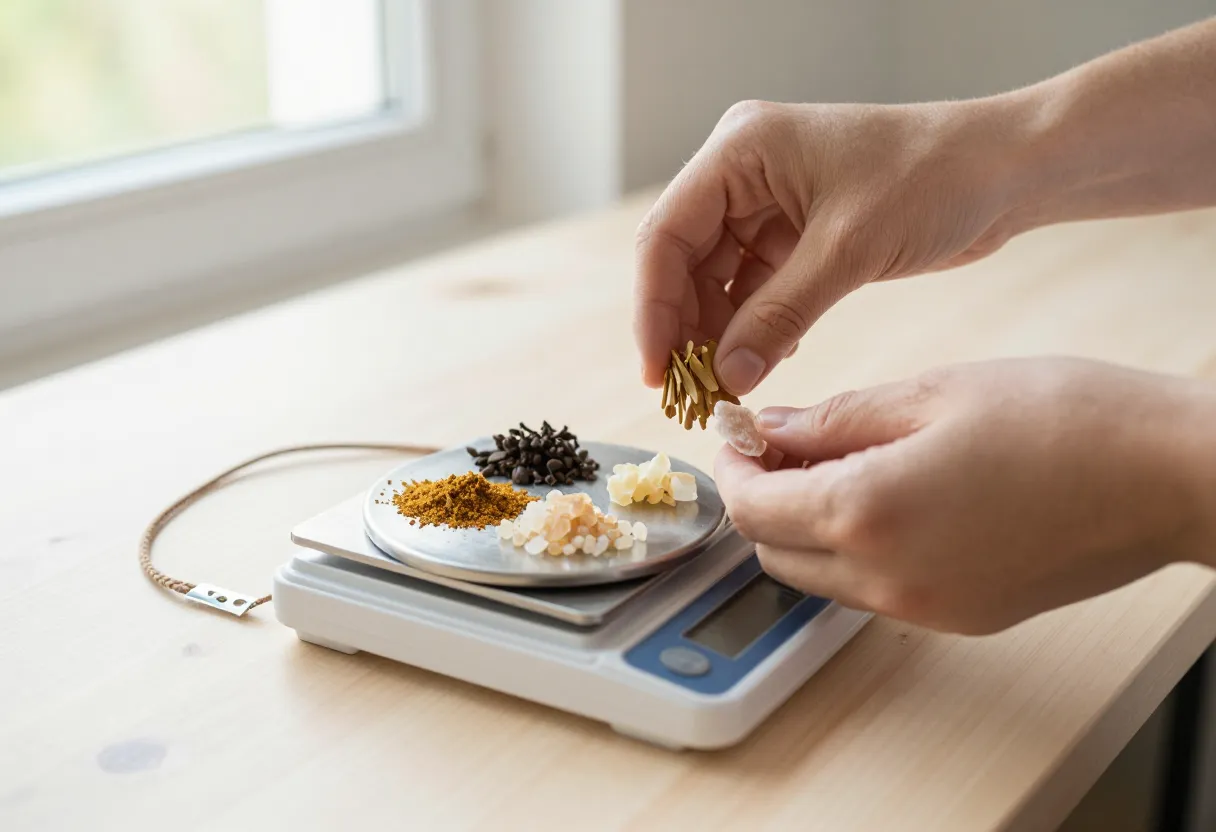
When you are developing a seasonal collection, your goal is usually to have multiple products that feel like they belong in the same room together. If your first candle is a heavy vanilla and your second is a sharp pine, they might feel like strangers on a shelf. A cohesive line tells a single story through different chapters.
To do this effectively, identify a “bridge” note—a common denominator that appears in every candle in the collection. This could be a base of toasted almond, a hint of musk, or a specific type of amber. Once you have your anchor, you can vary the top and middle notes to create different products while maintaining a unified identity. You should also consider how these scents interact with your visual choices. If your fall line uses muted, earthy tones in your labels and jars, ensure the scent profiles match that same grounded mood. Consistency across batch notes is what turns a collection of random candles into a professional-looking line.
The Science of Spices (and what to watch out for)
Working with complex spice blends—like those intended to mimic brown butter or sage mash—requires some discipline at the bench. Spice-heavy scents can be temperamental; they can easily become overwhelming if over-concentrated, or “muddy” if too many competing notes are fighting for dominance.
When you’re blending these complex profiles, I recommend a systematic approach: start with your heaviest base and work upward. If a blend feels unbalanced, don’t change three things at once. Change one note by a small increment, let it sit, and evaluate the result. It is also vital to check how specific spice oils interact with your chosen wax type. Some spices can behave differently in soy versus paraffin or coconut blends. Always refer to your wax supplier’s data sheet for compatibility and use my tools to ensure you aren’t over-loading the scent.
| Consideration | Practical Approach |
|---|---|
| Note Balance | Start with a stable base before adding high-volatile top notes. |
| Testing | Conduct burn tests on every new spice blend to check for “scent throw.” |
| Consistency | Keep detailed batch notes for every variation of a seasonal scent. |
| Compatibility | Check supplier data sheets for fragrance load limits and wax interactions. |
Beyond the Scent: Finishing Your Fall Collection
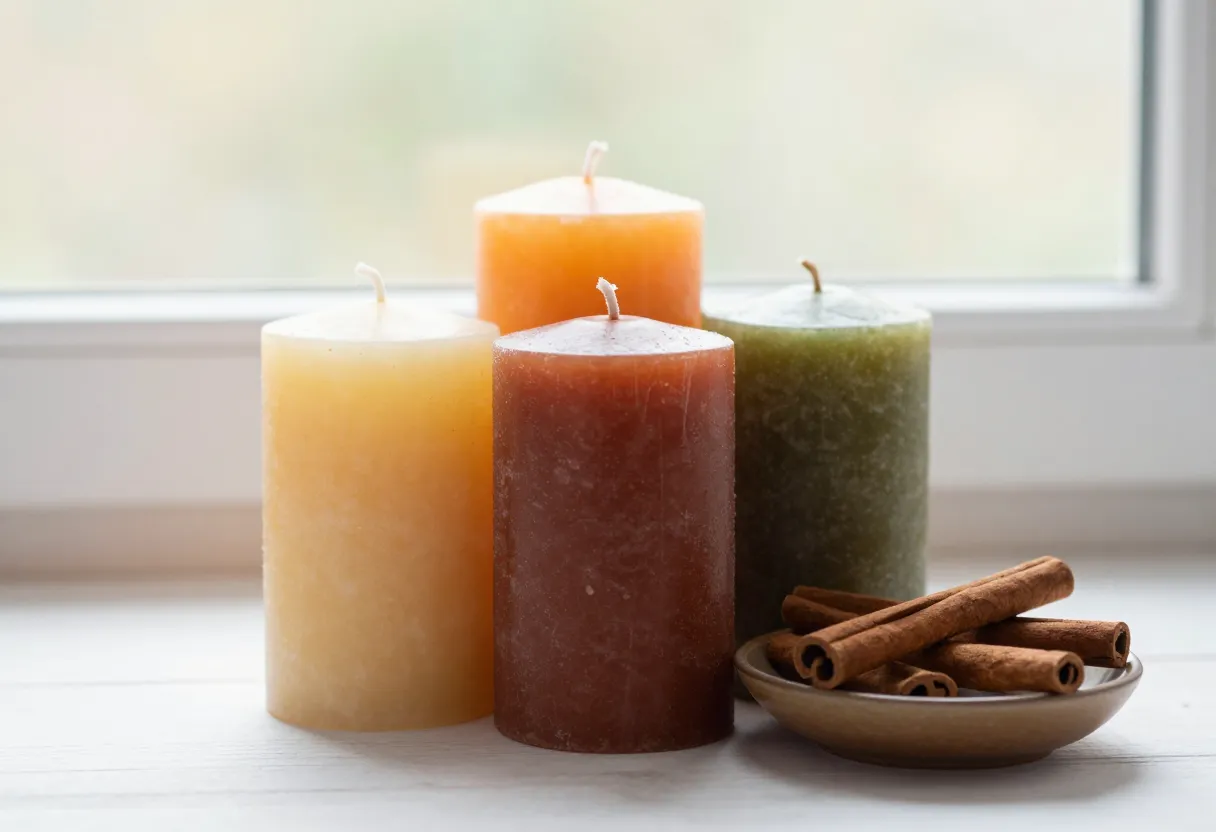
Once you have perfected your scents through rigorous burn testing, the final stage is about narrative and preparation. A successful fall line needs a cohesive naming convention that tells the customer what to expect. Instead of generic names, try to evoke a specific moment—the “First Frost” or “Heirloom Harvest.” This helps build an emotional connection with the maker who sees your work on their table.
From a logistics standpoint, seasonal lines require careful planning. You need to account for production lead times and ensure you have enough supplies on hand before the rush begins. Make sure your labels are clear and compliant with local regulations. Taking the time to organize your workshop and prepare your batch notes now will save you from headaches when orders start coming in. A well-prepared maker is a calm maker, especially during the holiday season.
To get started on planning your seasonal release, check out my guide on seasonal candle planning.
Inspired by a story from Sunset Magazine.
Get the next issue
Questions or corrections? Send a note. Or read more issues.