
Newsletter October 7, 2026
Building a 'Dirtcore' line using natural earth tones and smells.
Getting inspiration from big design trends doesn't mean your candles have to be pretty. It means building a cohesive line that sells itself.
Getting seasonal inspiration from design trends (Not just pretty colors)
When I hear a trend like ‘Dirtcore,’ my first instinct isn’t what color of wax to use, though that’s part of the final step. Instead, I think about how to translate an aesthetic into something tangible on the bench. A trend is essentially a mood or a feeling—in this case, it’s the raw, unpolished beauty of nature: damp soil, decaying leaves, and weathered wood.
To build a collection around this, you have to look past the surface colors and identify the components that create that atmosphere. If you only focus on making the candle “look” earthy, you might end up with a product that looks right but doesn’t smell like anything substantial. You want your customer to feel that specific season when they light it. I recommend taking an aesthetic concept and breaking it down into three pillars: texture, environment, and time of day. For ‘Dirtcore,’ this means moving away from “pretty” floral notes and toward more grounded, heavy elements. Instead of just looking for a brown candle, look for the components that make up a forest floor in late autumn.
Translancing ‘Earth’ into a solid scent profile.

Creating an earthy scent is less about finding one perfect oil and more about building a layered profile. A single note like “wood” can feel flat or medicinal on its own. To create depth, you need to blend different fragrance families that work together to build a complex experience.
In my experience with these types of profiles, I lean heavily on three specific categories:
- Woody notes: Cedarwood and sandalwood provide the structural “trunk” of the scent. They are steady and grounding.
- Earthy/Root notes: Patchouli and vetiver are essential for that ‘Dirtcore’ feel. These have a heavy, slightly musky quality that mimics the smell of wet ground.
- Atmospheric top notes: To keep these heavy base notes from feeling stagnant, I often incorporate subtle herbal notes like sage or rosemary to provide an initial “lift” when the candle is first lit.
When you are experimenting with these blends, don’t try to guess what works best. Use a log to track your additions and see how they interact over several test burns. You want a profile that feels intentional rather than accidental. For more on building out these profiles, check out [ /guides/candle-fragrance-explained/ ] and use the [ /tools/scent-blend/ ] tool to organize your notes.
Making sure your deep, earthy smells really burn well.
There is a technical hurdle when working with heavy, earth-based oils like patchouli or thick resins: they can be “heavy” in the wax. If you don’t balance these correctly, you might find that while the candle smells great up close, it doesn’t throw its scent across the room effectively, or it may consume more wax than expected because of the high oil concentration required to get those heavy notes to pop.
This is where consistent testing becomes non-negotiable. Every time you change a single note in your blend—even just by a few drops—it can affect how the wick interacts with the fragrance and how well that scent travels. You have to find the balance between a “thick” enough oil load to achieve the earthy profile and a clean, consistent burn. I’ve learned that what works for one wax type might fail completely on another. Always consult your wax supplier’s data sheet for their recommended limits before you start mixing, and use [ /tools/burn-log/ ] to track how different blends perform over several hours of burn time.
Thinking about the jar and label that matches the vibe.

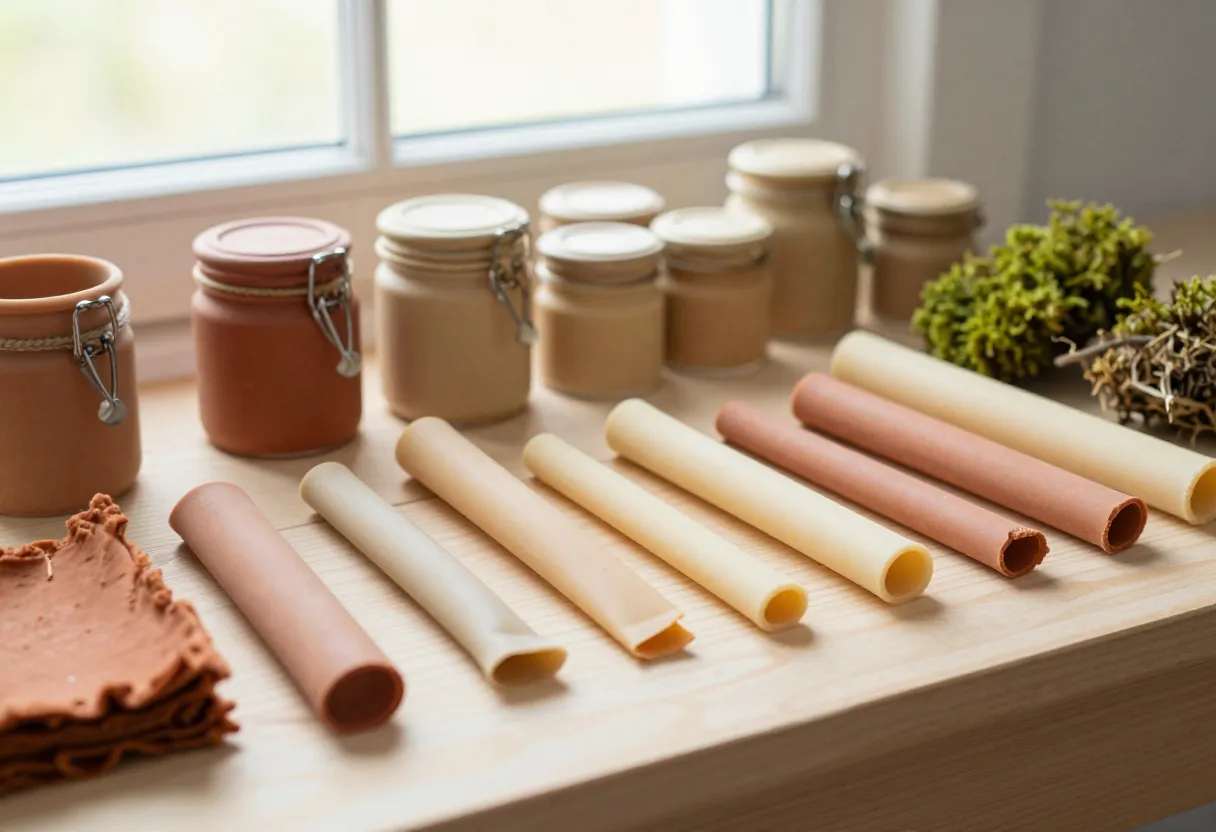
Once you have a scent profile that performs well on the bench, you can move toward the physical presentation. For an aesthetic like ‘Dirtcore,’ less is often more. You don’t need complex graphics or flashy colors to convey “earthy.” Instead, look for texture and muted tones.
A matte finish on your containers provides a tactile experience that feels much more grounded than a high-gloss surface. If you are looking for specific color palettes, think about terracotta, deep ochre, or moss greens. Consistency is the key here; using the same style of label across your entire seasonal line helps build a cohesive brand identity. Your labels should be clear and easy to read—don’t let over-designed graphics distract from the product itself. For practical advice on choosing containers that fit your specific goals, take a look at [ /guides/candle-containers-explained/ ].
Checklist for launching your seasonal line.
Before you put these candles into an online shop or onto a shelf, you need to move through a systematic process to ensure the product is consistent and professional. Treat it like any other technical project: document everything so that batch number 10 smells exactly like batch number one.
Follow this checklist before your launch:
- Finalize Blends: Ensure each scent in your line has been tested at least three times over a 4-hour period to confirm throw and burn stability.
- Document Batch Notes: Record every oil, weight, and measurement for every unique blend you create. Use the [ /tools/batch-scaler/ ] if you need to move from test samples to production sizes.
- Verify Performance: Check your wick size against your wax type using [ /tools/wick-selector/ ] to ensure a safe, even melt pool.
- Calculate Costs: Use the [ /tools/pricing-calculator/ ] to make sure you are covering your materials and time before setting your retail price.
- Standardize Packaging: Ensure all labels are consistent in size and placement across the entire ‘Dirtcore’ line.
If you need a hand organizing these steps, start with my [ /guides/start-here-your-first-candle/ ] guide to ensure you have a solid foundation before your first sale.
Inspired by a story from Sunset Magazine.
Get the next issue
Questions or corrections? Send a note. Or read more issues.