

Newsletter November 3, 2026
Building Conversation-Starting Holiday Pieces
We're talking about decorative candles that function as art first and scent second. Here’s how to approach unique product lines without losing sight of the bench work.
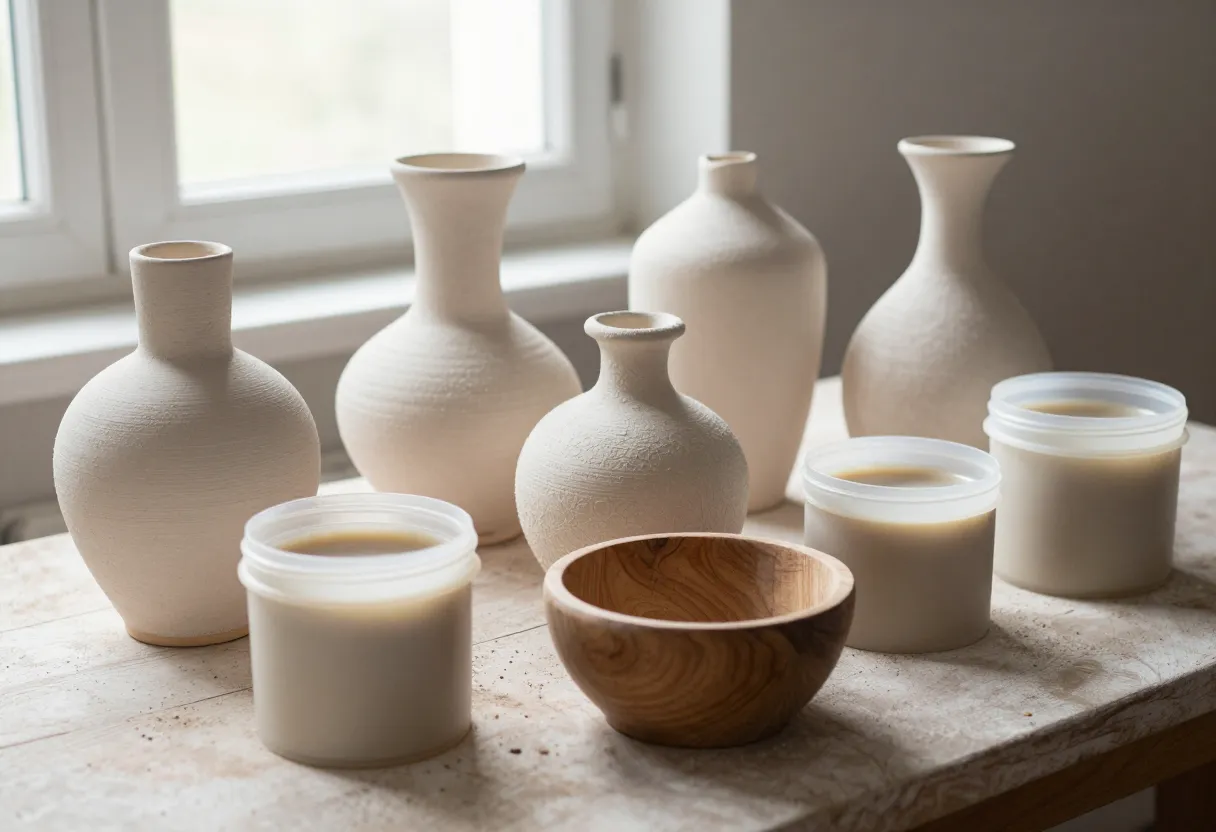
When candles are art, not just scent.
When you are producing standard jar candles, the primary focus is usually on technical performance—getting a full melt pool and enough fragrance throw to fill a room effectively. However, when we shift into holiday pieces intended for gift markets, the priorities change. For these items, the candle must function as an object of art first. A customer might choose a decorative piece because it looks impressive sitting on a mantelpiece or a coffee table even before it is ever lit.
When I am developing a new line, I start by asking: “Does this look like something someone would want to display?” This shifts the goalposts from purely technical metrics toward aesthetic value and gifting appeal. You aren’t just selling a scent; you are selling a piece of home decor that happens to be functional. While the burn quality still matters, it is the visual impact that often drives the initial purchase in a crowded holiday market. It’s about creating something that feels like a deliberate choice for a gift rather than just another jar on a shelf.
Figuring out what people actually buy as gifts.
In my experience watching how makers transition from hobbyists to sellers, one of the biggest hurdles is understanding the “gift guide” mindset. When someone is shopping for a holiday gift, they are looking for conversation starters. Decorative candles fall into this category perfectly. They serve as icebreakers in a home—something that catches the eye and prompts a question about how it was made or what it represents.
In a retail context, these candles are often grouped with high-impact items like ornaments or specialty food baskets. This means your design needs to hold up under scrutiny from multiple angles. It isn’t just about the scent profile when someone walks into a room; it is about what they see the moment they unwrap the package. If a candle is visually “plain” but has an incredible fragrance, it might get lost in a sea of options during the holiday rush. To stand out as a giftable item, the piece needs that extra spark of visual interest to be seen as a special occasion purchase.
Making unique shapes: It’s more about structure than science.
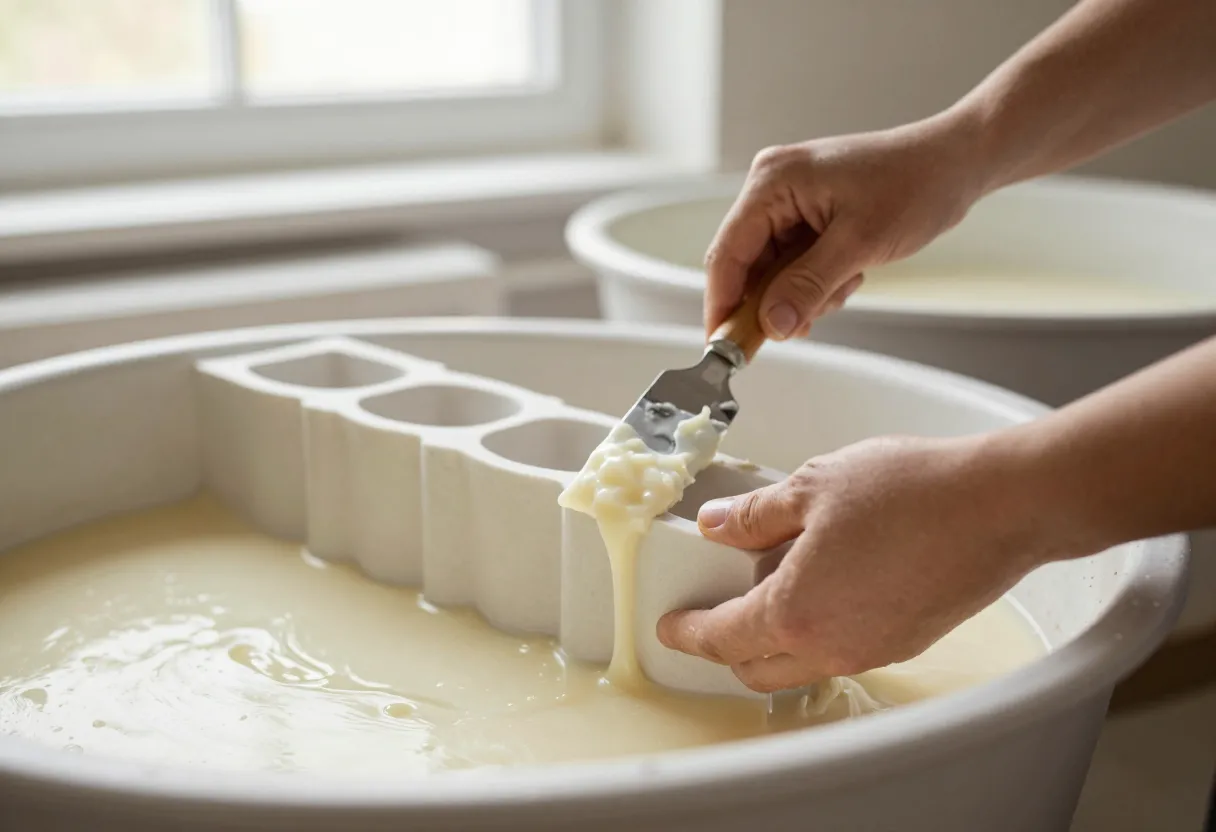
Moving into non-standard containers—like busts, bowls, or heavy pillars—requires a shift in how you approach your batch notes. This is less about the “science” of fragrance and more about the physics of structural integrity. When working with complex molds, you have to consider how the wax will support its own weight as it cools. I’ve seen many makers get this backwards by trying to use a pour method that works for jars but fails on a decorative shape, leading to cracked sides or collapsed walls.
You need to be mindful of your material choice and how much “slump” occurs before the wax sets. Because every wax reacts differently to temperature and weight, you cannot rely on universal rules. You must check your specific wax supplier’s data sheet for viscosity and pouring characteristics. I always tell people: do not trust a number from someone else’s bench. You need to run these tests yourself on your own equipment to see how the material behaves in that specific mold before committing to a full production run.
Pricing your art: How to account for labor and uniqueness.

This is where many makers, myself included at various points, have had to adjust their thinking. It is easy to calculate the cost of wax and wicks, but those are only half of the equation when you are producing decorative pieces. These items often involve more complex steps: careful pouring to avoid air bubbles in odd angles, de-molding, and potentially some finishing work. You have to account for your time—the hours spent perfecting a single mold or troubleshooting a difficult pour that doesn’t happen every time.
There is also the factor of “mold wear.” A high-quality silicone mold isn’t an infinite resource; it degrades with every use. When you price these items, those costs need to be baked into your final numbers so you aren’t just breaking even on materials while losing money on your own labor and equipment maintenance. It is a different pricing model than a standard jar candle because the “artistic” time required per unit is significantly higher. To help get this right without guessing, I recommend using my pricing-calculator to see how these variables actually stack up against your desired price point.
Inspired by a story from Good Housekeeping.
Get the next issue
Questions or corrections? Send a note. Or read more issues.