

Newsletter November 8, 2026
Fire Safety: Beyond the Candle Wick and Jar
Recent incidents remind us that fire hazards aren't just about wax. We cover electrical, storage, and general home safety practices to keep your small business safe.
A Note on General Hazard Management
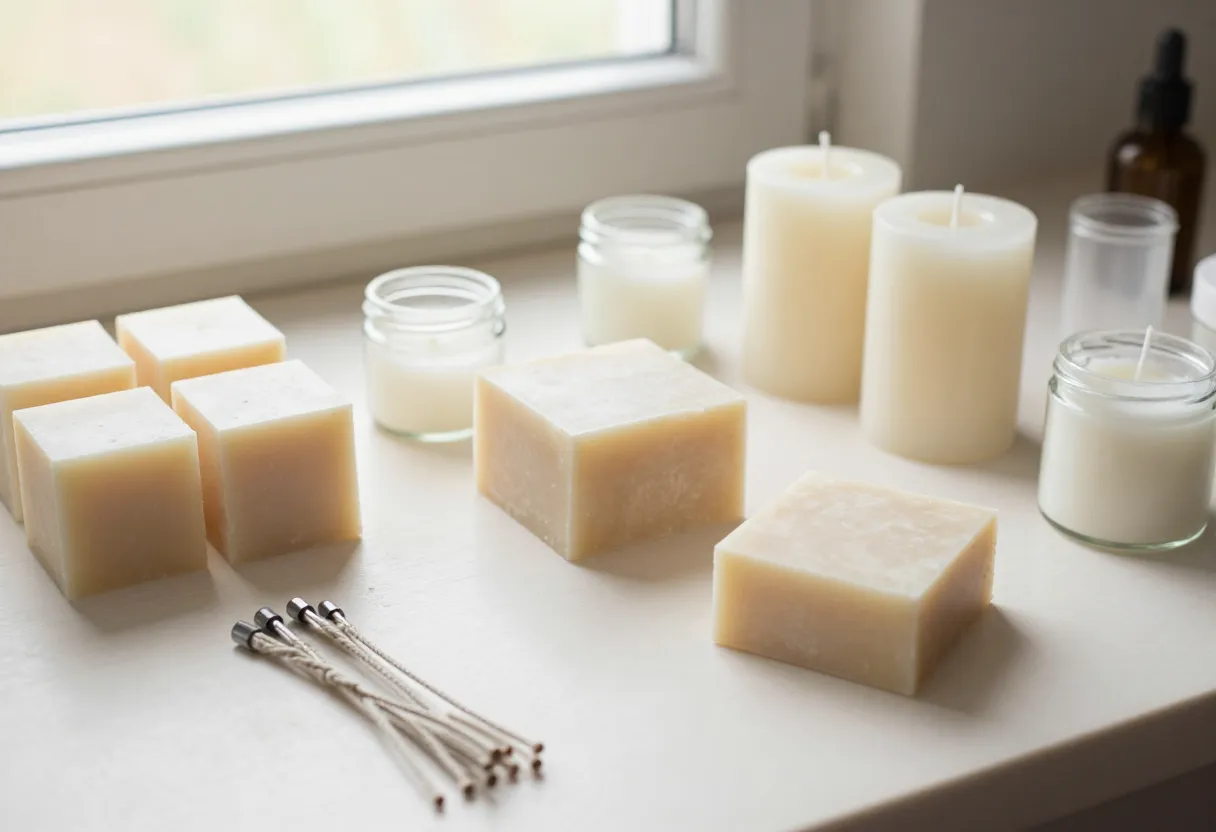
I’ve always believed that safety isn’t just about following a list of rules when things go wrong; it’s about maintaining situational awareness before anything happens. You might see news reports lately about lithium-ion battery fires in e-bikes, and while those aren’t candle-making incidents, they serve as a good reminder of how quickly a workspace can become hazardous if we aren’t paying attention to the environment around us. In my experience, whether you are handling high-heat equipment or just managing a small studio space, fire safety is a mindset. It’s about looking at your entire room—not just the candle on the table—and identifying what could go wrong. I carry over a lot of that discipline from my time in the Marine Corps; it’s about checking your surroundings and ensuring every piece of equipment, from a battery-powered tool to a wax melter, is being used exactly as intended. We want to create beautiful products, but we have to ensure the studio remains a safe place to do that work.
Reviewing Our Biggest Risk: Proper Candle Use and Care
When we talk about fire safety in this craft, the candle itself is our primary focus of concern. It’s easy to get caught up in the aesthetics of a pour, but the most practical thing you can do for your customers—and yourself during burn tests—is stick to the fundamentals of proper use. I have seen many makers overlook how close a jar might be to a curtain or a stack of shipping boxes.
Core Safety Habits
- Mantling Out: Always ensure a candle is completely extinguished before leaving it alone. A “smoldering” wick can still produce enough heat to cause issues over time.
- Clearance: Maintain a significant distance between the burning candle and any flammable materials like paper, fabric, or wooden shelving.
- Burn Testing: Never assume a wick will behave perfectly every time. This is why I insist on thorough burn testing for every new combination of wax, fragrance, and wick.
For specific details on how to manage these risks during your production and for your customers’ peace of mind, you can find more in our guide at /guides/candle-safety-explained/.
The Electrical Check: Cords and Power Sources
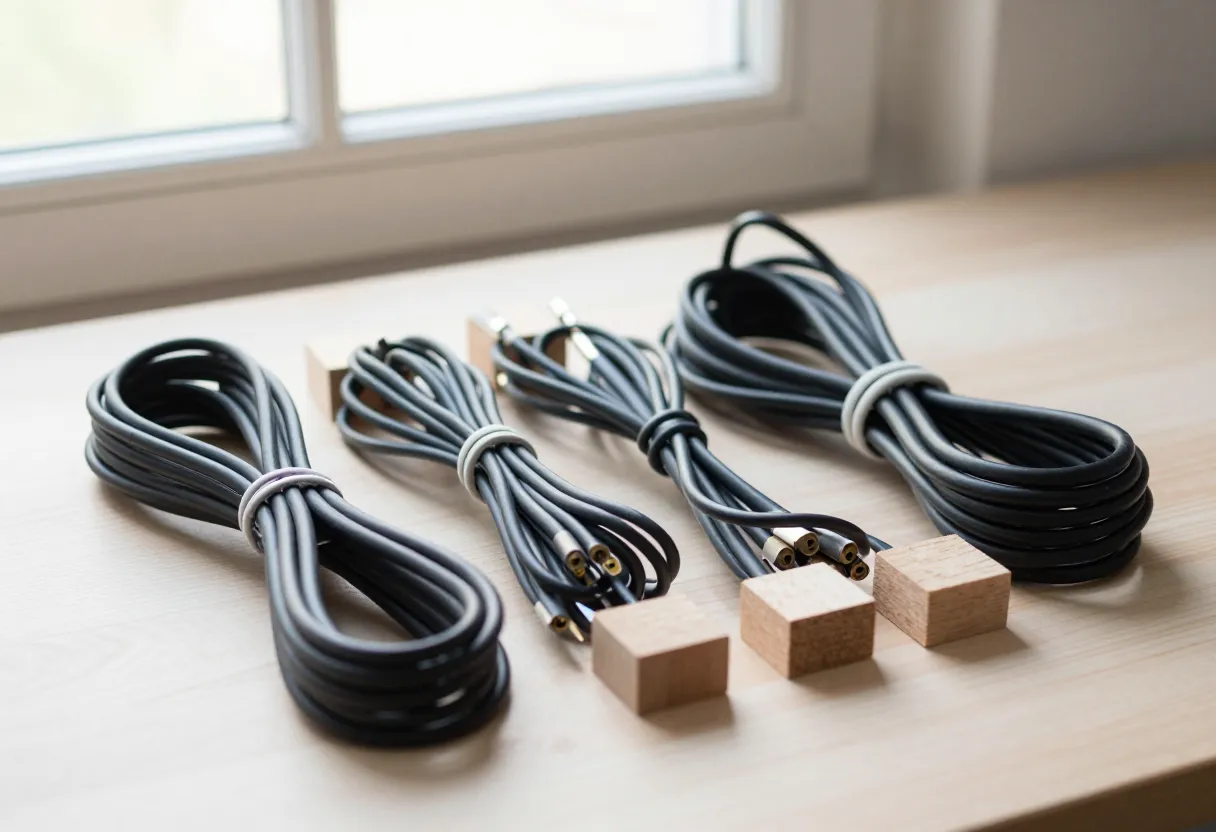
A lot of the hazards in a small candle studio aren’t actually from the flames; they come from the power sources we use to get the wax moving. When I set up my workspace, I look at the electrical load first. It is very easy to overload a single circuit by running a high-wattage wax melter, a hot plate, and several other pieces of equipment at once.
Electrical Best Practices
- Cord Management: Never run cords under rugs or through heavy objects where they can be pinched or frayed. A damaged cord is a significant fire risk in any workshop.
- Equipment Check: Periodically inspect the power cables on your melting equipment for any signs of melting, cracking, or exposed wiring.
- Proper Power Sources: Avoid using thin extension cords to run heavy heating elements. These can overheat quickly and become a hazard.
If you are unsure about the requirements for your specific equipment, always check the manufacturer’s specifications provided in their data sheets.
Workshop Discipline: Storing Ingredients Safely
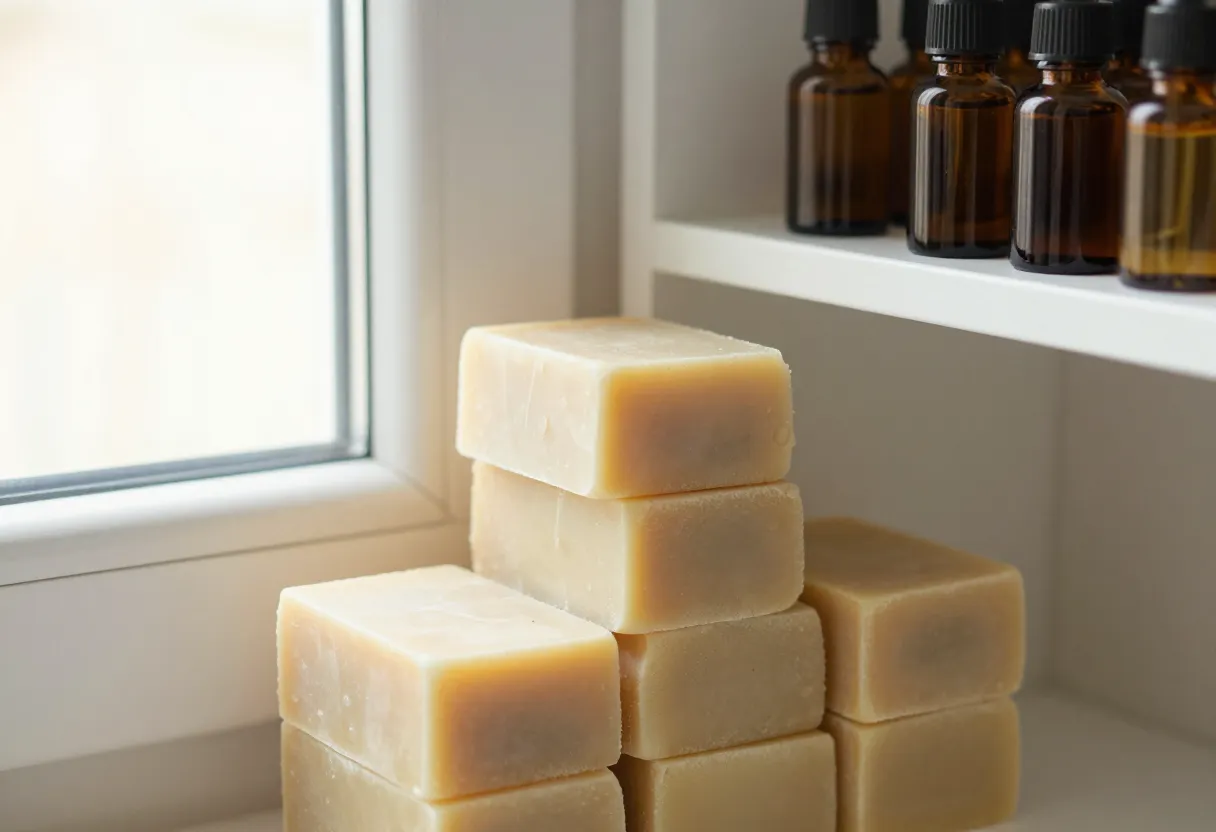
In my workshop, I treat ingredient storage with the same level of discipline I used as an Eagle Scout—it’s about having a place for everything and keeping it organized to prevent accidents. Many makers don’t realize that fragrance oils are often flammable liquids. If you leave a large bottle of oil sitting next to a hot plate or near an active heat source, you are creating an unnecessary risk.
Storage Checklist
- Heat Separation: Keep all raw materials—wax, fragrance oils, and dyes—in a cool, dry area away from your melting station.
- Closed Containers: Ensure all liquids are capped tightly when not in use to prevent spills that could interact with heat sources.
- Dedicated Shelving: Use sturdy shelving to keep heavy wax buckets off the floor and away from high-traffic areas where they might be knocked over.
By keeping your “hot zone” (where you melt and pour) separate from your “storage zone,” you significantly reduce the risk of a small mishap turning into a larger incident.
Final Safety Review Checklist
Safety is a proactive habit, not a reactive one. I recommend doing a quick walk-through of your studio today to ensure these basics are covered. It takes five minutes but provides a lot of peace of mind before you start your next batch.
Immediate Action Items
- Clear the Area: Remove any paper, fabric, or debris from within three feet of your melting station.
- Inspect Cords: Run your hands along your power cords to check for heat or damage.
- Check Storage: Ensure all fragrance oils and waxes are stored away from active heating elements.
- Review Data Sheets: Take a moment to read the Safety Data Sheets (SDS) provided by your wax and fragrance suppliers to understand the specific hazards of the materials you use.
For more comprehensive information on staying safe while making, visit our guide at /guides/candle-safety-explained/.
Inspired by a story from Fire Engineering.
Get the next issue
Questions or corrections? Send a note. Or read more issues.