

Newsletter October 4, 2026
How to Build Seasonal Collections That Sell
Don't just make a pumpkin candle—build an entire 'mood.' Learn how using themed collections can help your brand resonate with buyers during key seasons. (169/170 characters)
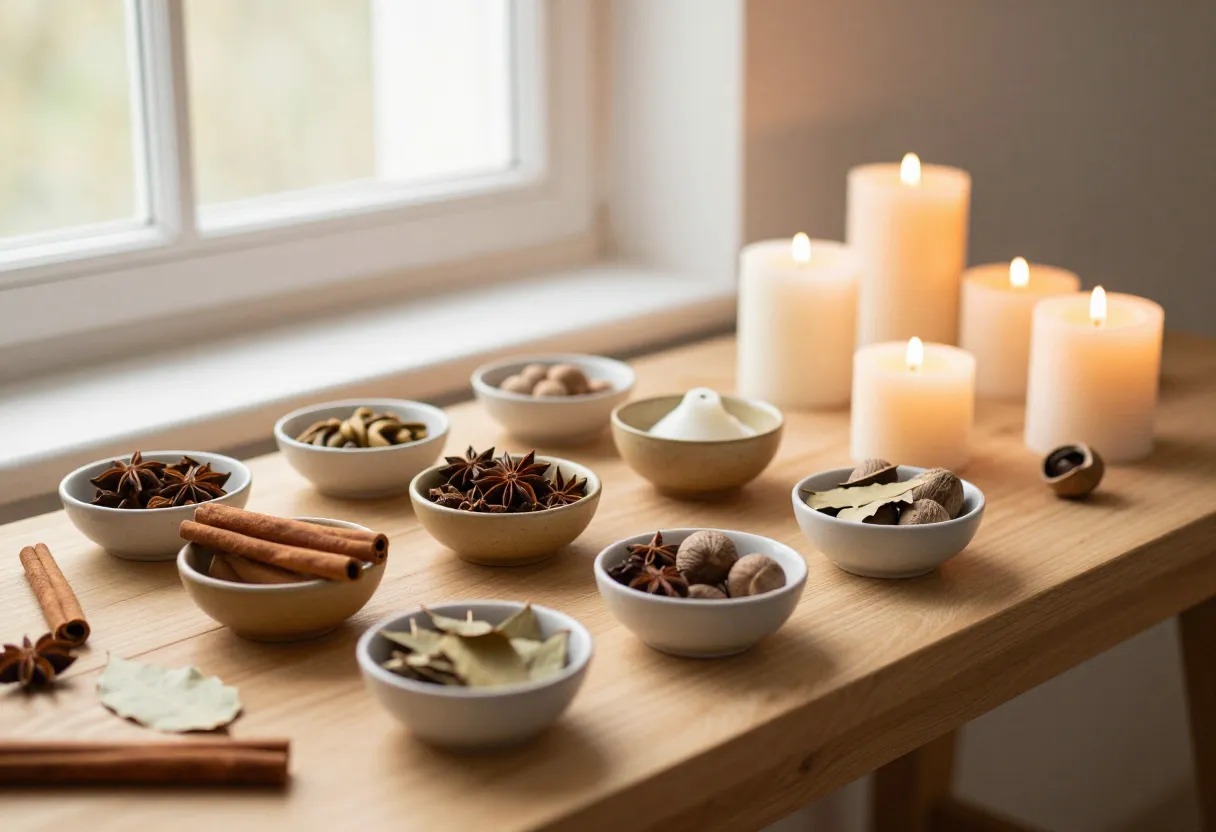
It’s not just the scent; it’s the ambiance.
When I first started making candles, I assumed people were buying a product because they liked how a specific fragrance smelled when it was burning in their living room. After several years at the bench, I’ve realized that while the scent is the primary draw, the customer is actually looking for an atmosphere. They aren’t just buying wax and oil; they are trying to purchase a feeling or a moment in time.
If a maker creates a “Movie Night” candle, the customer isn’t just seeking out notes of buttered popcorn. They are looking for the experience of settling into a couch with a heavy blanket while it rains outside. When we shift our focus from selling a single scent to offering an emotional experience or a specific mood, it changes how we talk about our products and how we organize them in our shops. Instead of just describing ingredients, we can describe the scene the candle creates for the person using it.
Translating media moods into wax notes
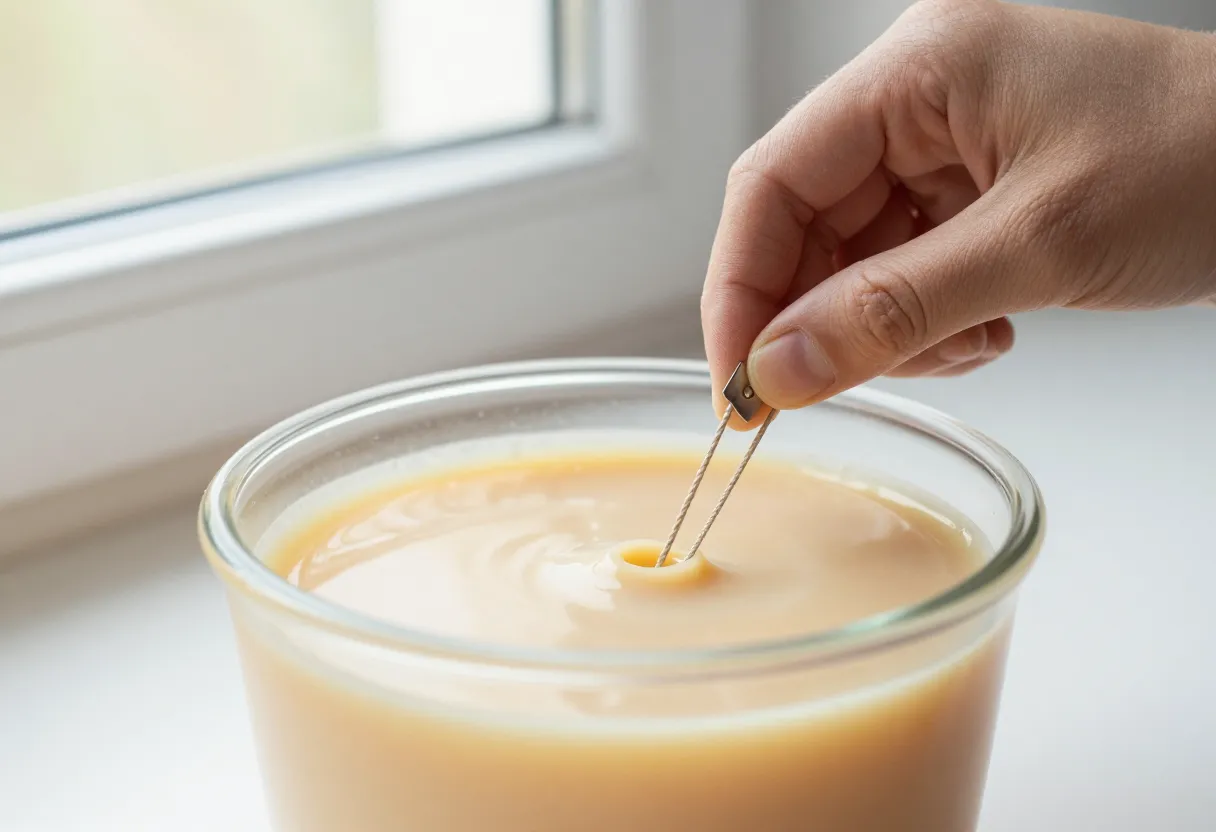
Moving from a broad concept like “Fall Favorites” or “Midnight Cinema” into something you can actually pour requires some practical translation. You have to take an abstract feeling and break it down into concrete fragrance pairings that make sense on your nose.
If I am trying to capture the mood of a rainy evening in a library, for example, one single note won’t cut it. I need layers to build depth. A “leather” or “old paper” base provides weight and substance, while a touch of cedar adds an earthy element. You might then add a hint of vanilla or spice to soften the edges. When you start with the mood as your blueprint before selecting oils, your fragrance choices become much more intentional. It is helpful to write down the “story” of the scent on a notepad before you ever open a bottle of oil; it keeps you from simply choosing what is familiar or easy.
Avoiding the ‘Pumpkin Spice’ trap: Depth in blending
One mistake many makers make, and I certainly fell into this early on, is leaning too heavily on one popular trend because it is easier to market. We can call this the “Pumpkin Spice” trap. If you want your seasonal offerings to stand out from the crowd, they need complexity. A single-note scent—like just vanilla or just cinnamon—can often feel thin and flat after a few hours of burning.
To create something that feels substantial, try layering different types of notes. For instance, if you have a spicy base note, pair it with an earthy wood like sandalwood to ground the experience. Then, add a top note of fruit or herbs to provide variety as the candle burns down. This creates a more sophisticated profile for your customers. Because every wax and oil combination is different, always check your specific wax supplier’s data sheet and use our [/tools/fragrance-calculator/] to ensure you are working within safe limits for your particular materials.
Building out your seasonal collection structure
Once you have established several solid scent profiles that fit a theme, the next step is organizing them into a cohesive collection. Instead of listing individual candles as standalone items on your website or at a local market, group them under a unified banner.
A “Movie Night” collection might include three distinct offerings: one that captures the warmth of popcorn and butter, another that evokes a rainy night outside, and perhaps a third focused on a crackling fireplace. Giving these products clear, descriptive names helps your customers navigate their choices based on the mood they want to create. When you move into marketing materials or social mediaed updates, focus on how these items work together as a set. You aren’t just selling three candles; you are providing a curated selection for someone looking to build a specific environment in their home.
What to do next: From idea to listing

Moving an idea from your notepad to a finished product and online listing requires a few practical steps at the bench. First, ensure your batch notes are consistent across all new scents. If you are preparing several different items for a seasonal launch, use our [/tools/batch-scaler/] to keep your production organized and accurate.
You should also verify that your hardware is up to the task; if you are moving into larger containers or higher fragrance loads for these special editions, double-check your results with our [/tools/wick-selector/]. Once the products have been tested and mastered, it is time to consider how you present them. I recommend reviewing our guide on [/guides/selling-candles-explained/] to help structure your pricing and descriptions effectively. If you find yourself struggling to capture those specific “moods” in your photos for sale, our guide at /guides/candle-photography-explained/ offers a practical path forward for getting the look right without overcomplicating it.
Inspired by a story from Good Housekeeping.
Get the next issue
Questions or corrections? Send a note. Or read more issues.