

Newsletter October 30, 2026
Setting Up Your Autumnal Tablescape with Candles
It’s more than just the scent; learning how to physically place candles and utilize color can elevate your seasonal merchandising displays. Keep reading for actionable ideas.
It’s Not Just About Scenting a Room
When you are making candles for the holiday season, it is easy to get tunnel vision on the fragrance throw and the burn quality. Those are non-negotiable—if the candle doesn’t burn well or smell right, it’s a failed product. However, when a customer is preparing for an autumnal gathering like Thanksgiving, they aren’t just looking for a scent diffuser; they are looking for a piece of decor.
In my experience at the bench, I have seen many makers overlook how a candle looks as a static object on a table before it is ever lit. For seasonal decorating, your candle has to compete with heavy linens, large floral arrangements, and complex food displays. It needs to hold its own visually. This means considering the shape of the vessel, the texture of the wax surface, and how the label interacts with the surrounding colors. A candle should be a visual anchor for the room’s atmosphere.
The Color Palette: Building Your Seasonal Story
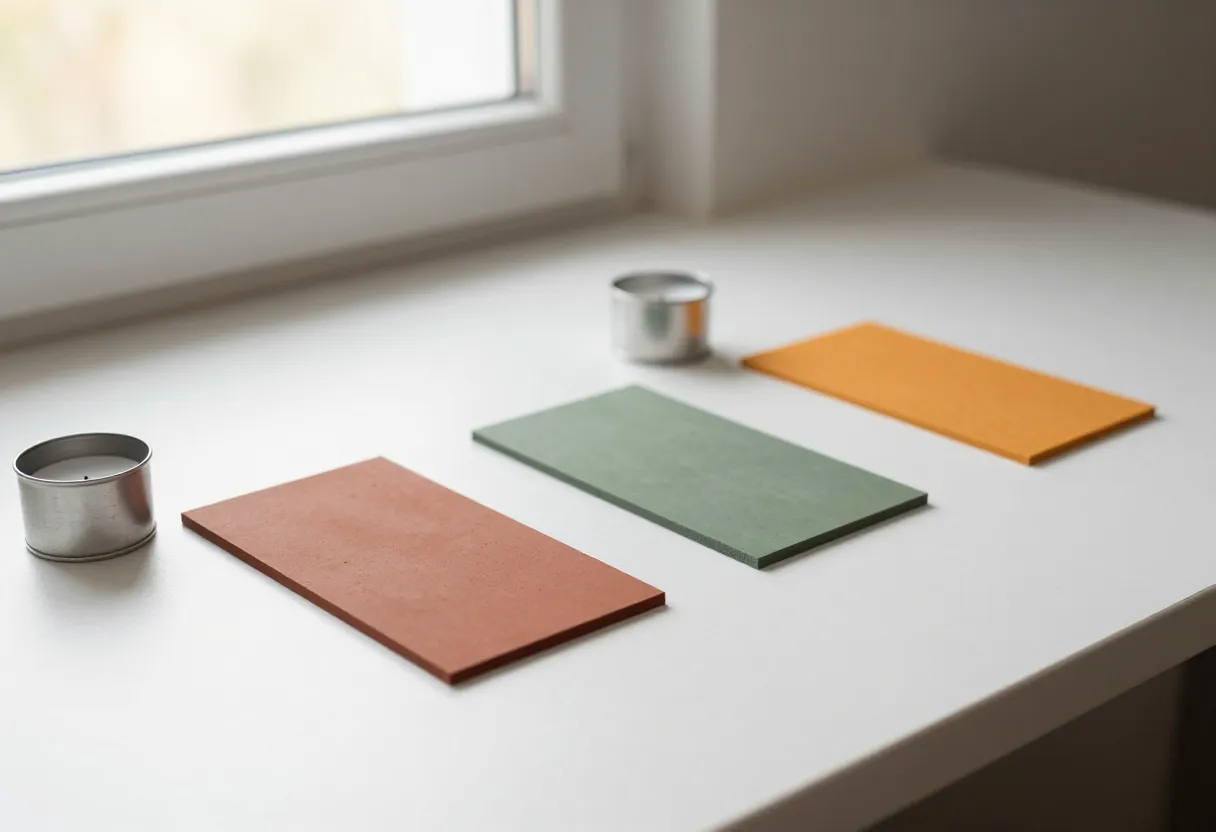
Before you ever turn on your melting pot or grab a dye bottle, you need to decide on a color story. For autumn, this usually means moving away from bright, primary tones and toward “earthy” palettes—think rust, sage, deep ochre, or burnt orange.
When I’m planning a seasonal batch, I start by looking at the materials available. If you are using wax dyes to achieve these colors, remember that different base waxes will react differently to the same amount of pigment. One batch might turn out a perfect muted terracotta while the next looks too bright because of a slight change in your wax source. This is why it’s vital to do small test pours before committing to a full production run. You want to ensure the color remains consistent across every jar in that seasonal line. For more on how colors behave, check out my guide on /guides/candle-dye-explained/.
Placement Matters: Styling the Tablescape
A common mistake I see is “lining up” candles like soldiers in a straight row. While orderly, it can look flat and uninspired on a dinner table. To create a professional tablescape, you want to think about depth and varying heights.
Grouping for Impact
Try grouping your candles in odd numbers—three or five is usually the sweet spot. This creates a more natural, organic feel. Use different vessel sizes to provide height variety. A tall pillar candle can act as a centerpiece, while smaller votives or jars can be tucked into the foreground.
Integrating with Decor
Don’t let your candles sit in isolation. They should be integrated into the “landscape” of the table. This means placing them near greenery, nestled among pumpkins, or along a textured table runner. The goal is to make the candle look like it belongs there, not like it was just dropped on top of the decorations.
The Quick Checklist for Cohesive Decor
If you want your display—or your customer’s display—to look high-end and intentional rather than cluttered, a few finishing touches go a long way. It’s about the small details that show you put thought into the arrangement.
- Consistent Metallics: If your labels have gold foil or copper accents, try to mirror those tones in other small items on the table, like silverware or small decorative trays.
- Negative Space: Don’t crowd every inch of the table. Let the candles “breathe” so they remain visible and accessible.
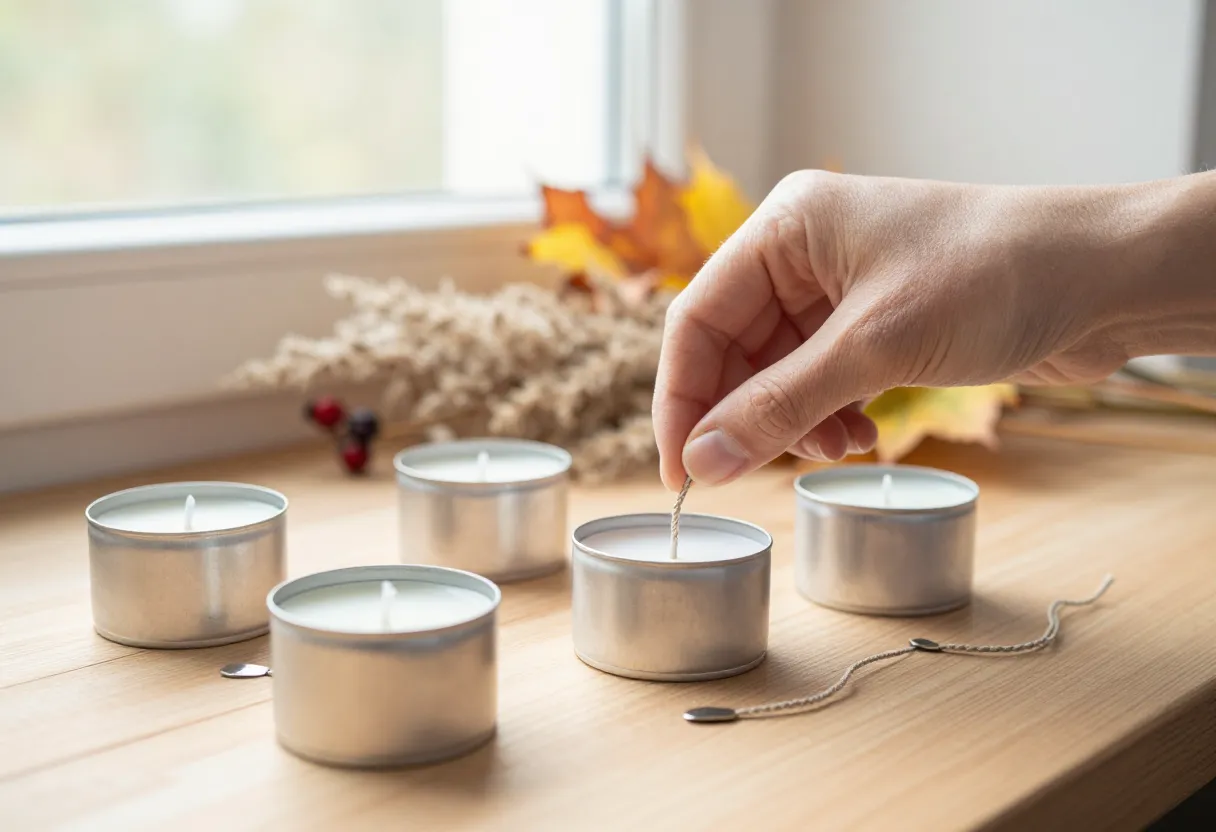
- Textural Contrast: Pair smooth glass vessels with rougher textures like wood, linen, or dried wheat stalks. This contrast makes the candle pop visually.
When you are showing off these arrangements for your own brand, keep it simple. You can learn more about capturing these details in my guide on /guides/candle-photography-explained/.
Making It Sell: Displaying Seasonal Collections
As a maker, there is a fine line between “selling” and “selling too hard.” When you are marketing an autumnal collection, your goal isn’t just to tell people that the candle smells like pumpkin or spice; it’s to show them how that candle completes their holiday vision.
Instead of just posting a photo of a single jar on a white background, show the candle in its “natural habitat.” Show it on a set table with warm lighting and autumn colors. You want your customers to see themselves in that scene. When you provide a visual solution—showing them exactly how to style their home for the season—the sale becomes an easy byproduct of providing value.
I always recommend showing the lifestyle side of the craft. Use these seasonal ideas to build a cohesive brand story on your site or social media, but keep it grounded in reality. If you’re looking for more on how to position your products effectively, take a look at /guides/selling-candles-explained/.
Inspired by a story from Sunset Magazine.
Get the next issue
Questions or corrections? Send a note. Or read more issues.