

Newsletter November 10, 2026
Staging Your Candles for the Perfect Look
We’re talking about staging your candles and products to sell the feeling, not just the wax. Learn how professional designers approach ambiance in a way you can apply at home.
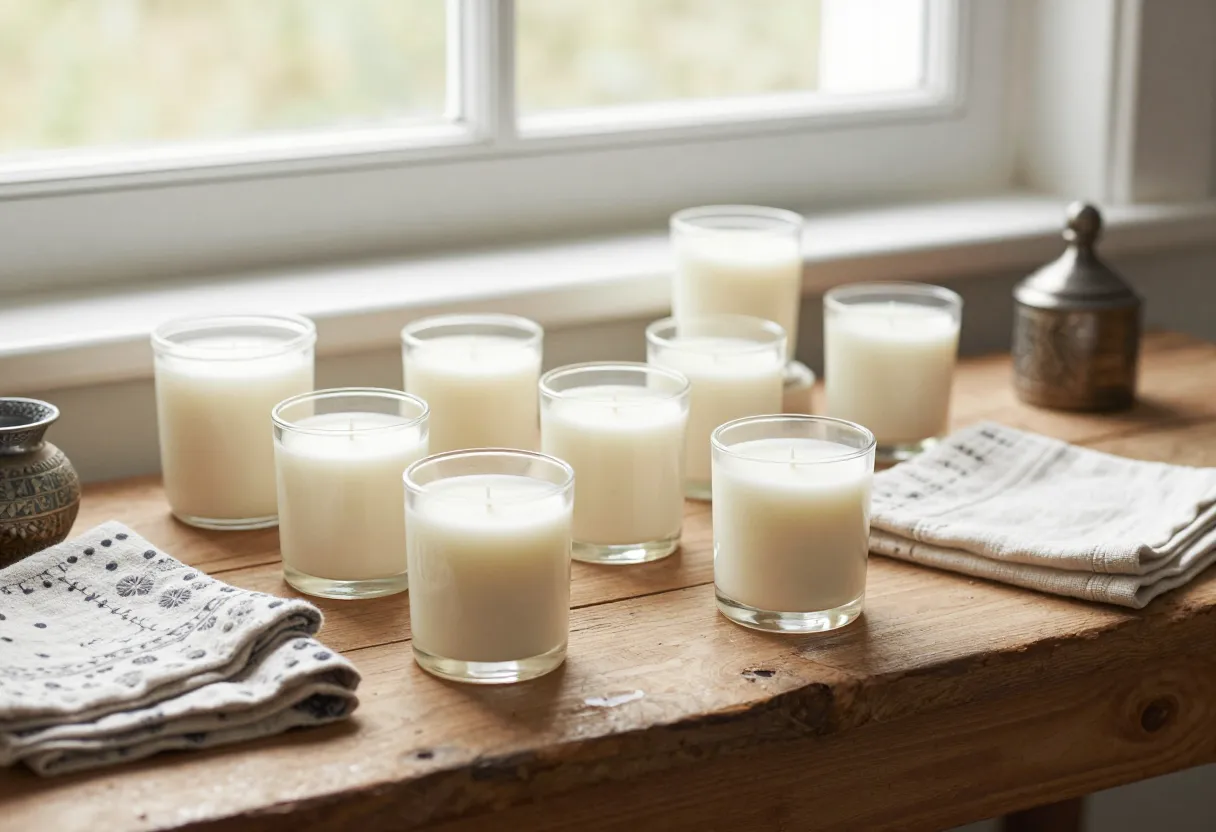
Selling Ambiance: The Shift from Product Specs to Lifestyle
When I first started making candles, my instinct was to tell you exactly what was in the jar. I wanted to talk about the specific percentages of fragrance oil, the type of soy blend I used, and how many hours it would burn. While those details are important for your batch notes and quality control, they aren’t usually what makes a customer hit “add to cart.” People don’t just buy a container of wax; they are buying a feeling—a quiet evening after a long shift, a centerpiece for a holiday dinner, or the atmosphere of a rainy Sunday morning.
To sell effectively, you have to move from describing the product’s specs to showing its lifestyle. Your photography and descriptions should tell a story about where that candle lives in someone’s home. Instead of just listing “Sandalwood and Amber,” show how those notes fit into a curated living room or a workspace. You are selling an experience, not just a physical object. The goal is to help the customer visualize your candle as part of their own daily routine.
The Designer’s Touch: How Curated Decor Inspires Staging
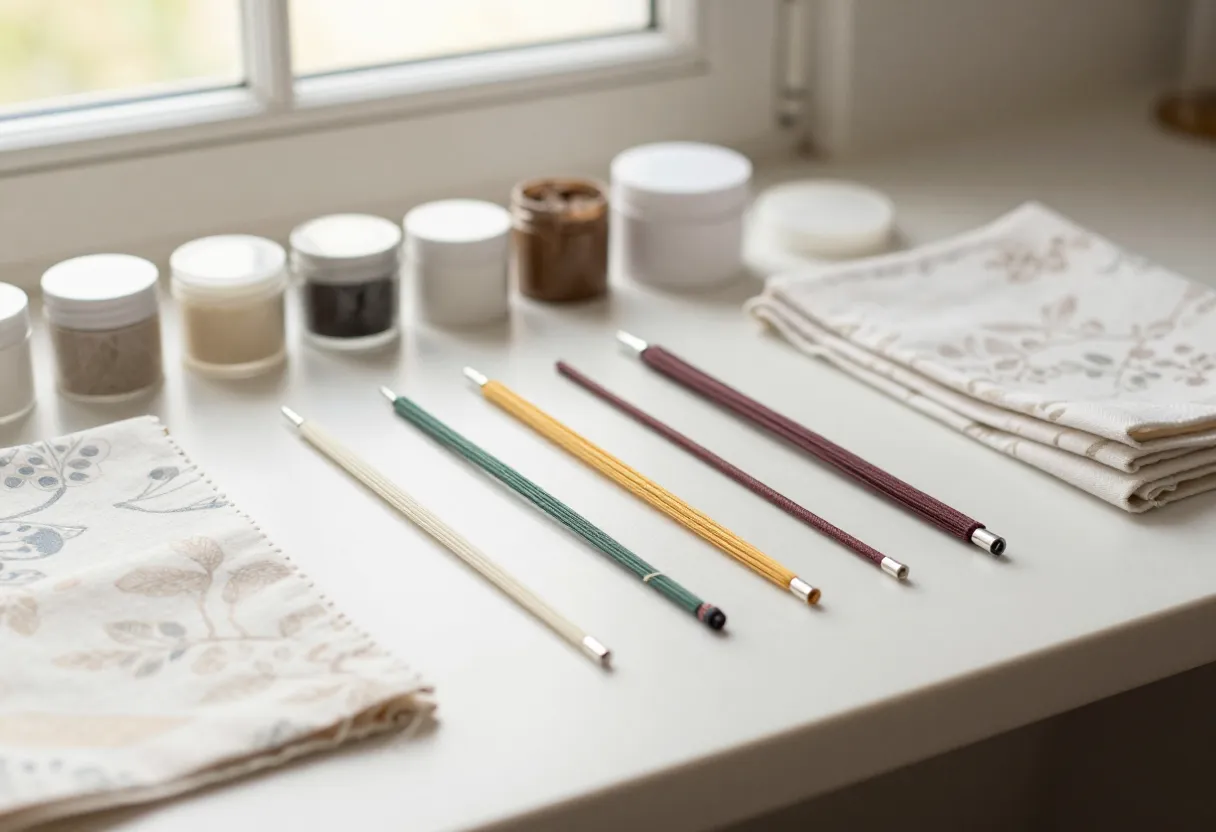
You don’t need a degree in interior design to create professional-looking photos, but you do need an eye for how objects interact with one another. One of the best ways to elevate your staging is to look at curated styles like maximalist or historic decor. These styles rely on intentionality—nothing in the frame should feel like an accident. When you are setting up a shot, think about patterns and textures. A candle sitting alone on a white table looks unfinished; a candle placed next to a stack of aged books with a linen runner underneath tells a story.
Practical Design Principles for Your Bench:
- Contrast Textures: If your candle container is smooth glass or polished ceramic, place it near something rough, like a woven basket or a piece of distressed wood.
- Color Harmony: You don’t have to match every color perfectly. Using complementary tones—like deep forest greens with muted brass accents—creates a sophisticated look that feels “designed.”
- Lighting Matters: Avoid harsh overhead lights. Soft, directional light helps emphasize the texture of the wax and the curve of the container without creating distracting glares.
Layering the Scene Without Losing Focus on Wax
A common mistake I see makers make is over-decorating to the point where the candle disappears into the background. The props are there to support the product, not compete with it. When you are layering your scene, think of it like a checklist: every item in the frame should serve a purpose. If a prop distracts the eye away from your label or the shape of the vessel, it’s doing too much work.
How to Balance Your Props:
- Use Textiles: A simple linen napkin or a high-quality throw blanket can soften a scene and provide a “homey” feel without taking up too much visual space.
- Incorporate Metals: Brass, copper, or matte black metals add weight and a sense of permanence to your staging. They work well for both historic and modern aesthetics.
- Depth of Field: Try placing some items slightly in front of the candle and others behind it. This creates layers that make the photo feel three-dimensional rather than flat.
The key is to ensure that even with these additions, the candle remains the hero of the shot. If you can’t see your label clearly because of a nearby prop, move that prop back an inch or two.
A Quick Safety Check: Staging vs. Substance
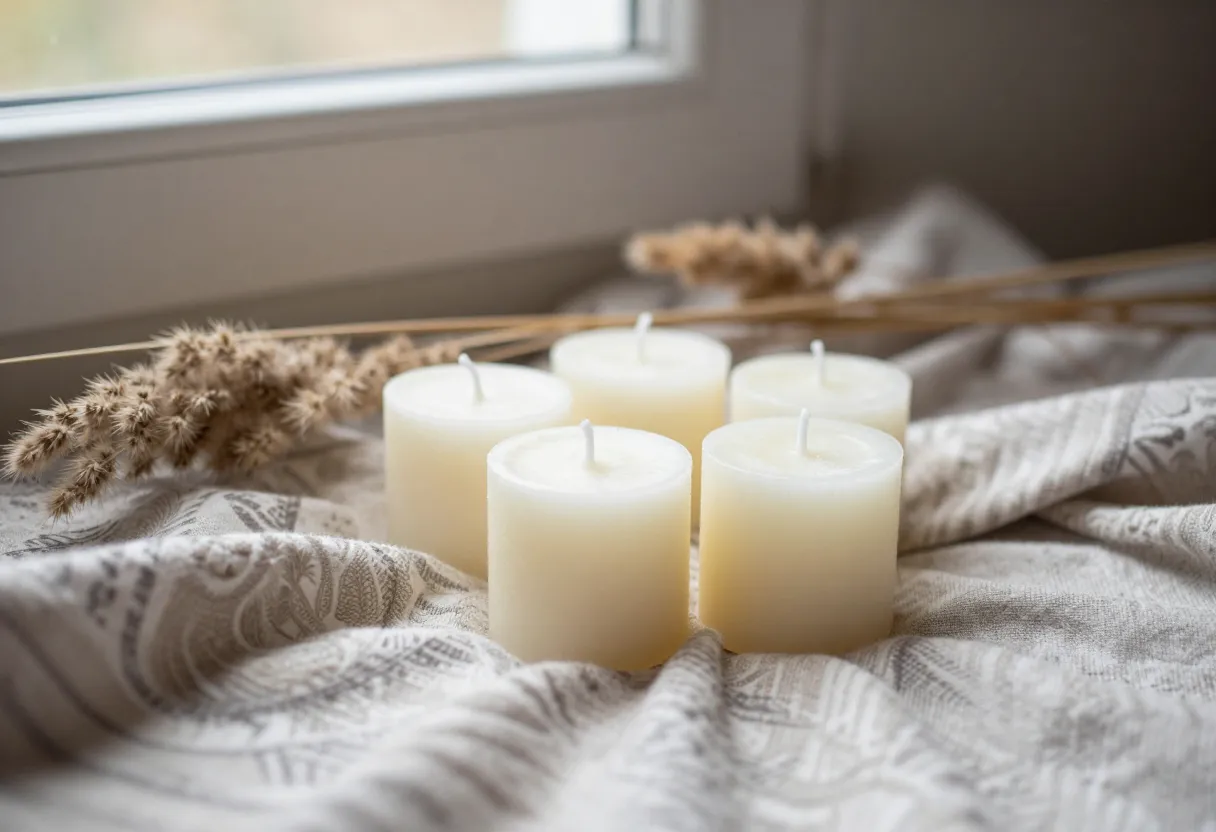
It is easy to get caught up in making things look perfect for a photo, but at Flint & Wax, we prioritize the integrity of the candle first. No amount of beautiful staging can compensate for a candle that isn’t built correctly. Before you worry about the linen runner or the brass tray, ensure your batch has passed your own burn tests and meets all safety requirements.
A well-staged photo is an invitation to a customer, but a well-made candle is what keeps them coming back (and keeps their home safe). Always prioritize these fundamentals:
- Wicking: Ensure the wick size creates a consistent melt pool that reaches the edges of the container.
- Fragrance Load: Follow your wax supplier’s data sheets to ensure you are staying within safe and effective limits.
- Testing: Never sell a candle that hasn’t been thoroughly tested for safety and performance on your own bench.
For more on maintaining these standards, see our guide on /guides/candle-safety-explained/. Remember: the goal is a beautiful product that performs exactly as promised every time it is lit.
Where To Go Next on Your Craft Journey
Staging is one piece of the puzzle in moving from making candles to running a business. Once you have a handle on how to present your work visually, the next steps involve refining your pricing and understanding the technical side of photography. You want to make sure that the “lifestyle” you are selling is backed up by solid numbers and clear communication with your customers.
If you’re ready to take the next step in professionalizing your brand, I recommend looking into these resources:
- Photography Basics: Learn more about capturing your work at /guides/candle-photography-explained/.
- Pricing Your Work: Ensure your margins are sustainable by using our /tools/pricing-calculator/.
- Refining the Product: If you haven’t already, double-check your wicking and fragrance loads with our /tools/wick-selector/ and /tools/fragrance-calculator/.
Every step forward should be deliberate. Take one thing at a time—get the staging right, then move to the next task on your list.
Inspired by a story from Country Living.
Get the next issue
Questions or corrections? Send a note. Or read more issues.