
Newsletter October 24, 2026
Styling Your Candles for Diwali and Other Lights,
Diwali, or any festival of lights, offers rich inspiration. We're covering how to build themed collections and stage your products using cultural decor elements.
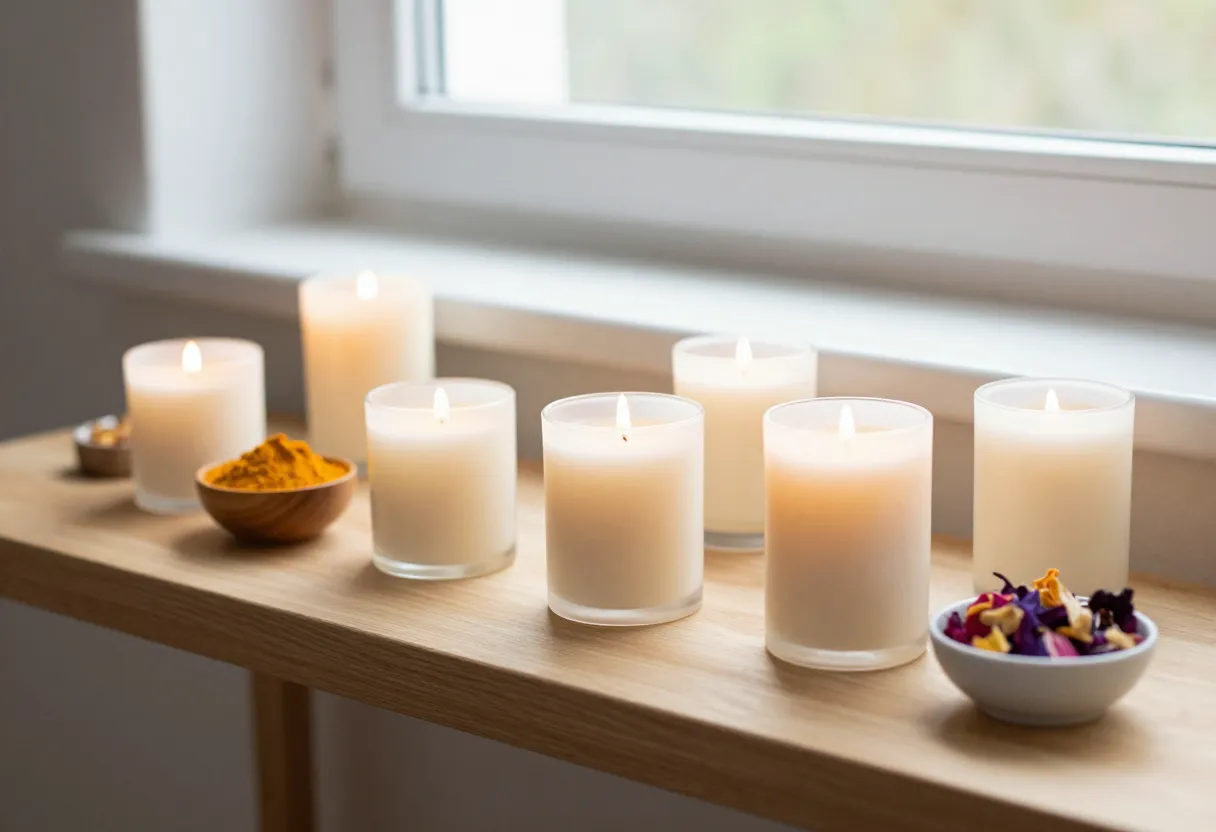
The festival of lights: More than just a scent idea
When you are preparing for a seasonal launch like Diwali, it is easy to fall into the trap of thinking about the candle as nothing more than a fragrance profile in a jar. While the scent is vital, a successful seasonal collection is built on a visual and sensory narrative. You want your customers to feel they are purchasing a piece of that festival’s atmosphere—the warmth, the community, and the tradition.
Moving from “making a festive candle” to “building a product narrative” means looking at the bigger picture. This includes everything from the choice of container to the specific color palette you use in your labels and dyes. For Diwali, this might mean leaning into deep reds, golds, and earthy tones that reflect traditional aesthetics. Instead of just trying to capture a scent, try to capture a feeling. I recommend starting with our [ /guides/seasonal-candle-planning-explained/ ] to help you map out how these elements—scent, color, and story—work together before you start your first pour.
Designing the Collection (Product Level)
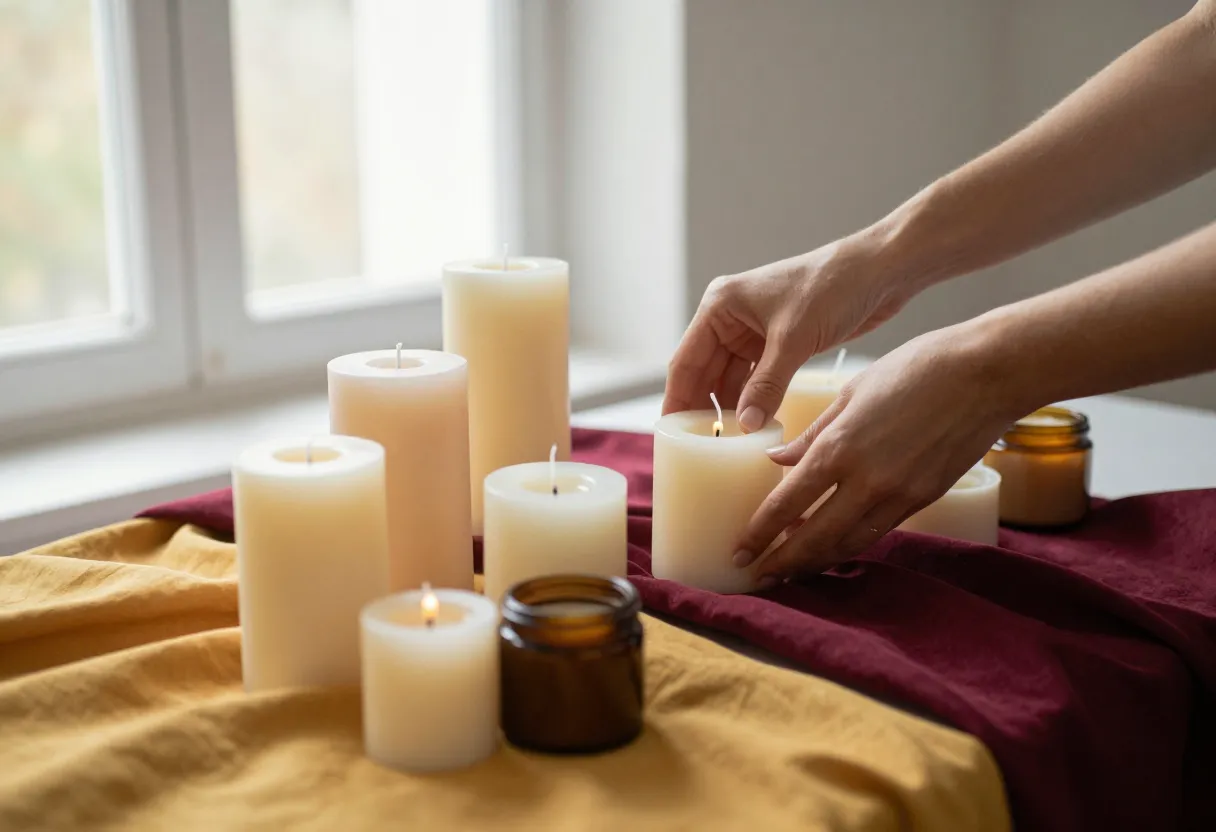
When you are at the bench translating a cultural theme into a physical product, you have to be intentional about your “colorways” and scent profiles. For a Diwali-inspired line, you might look toward notes that evoke spice markets or traditional sweets—think cardamom, saffron, or warm woods. This is where my [ /tools/scent-blend/ ] becomes useful for seeing how these heavy hitters interact without becoming overwhelming.
On the visual side, your dye choices are just as important as your fragrance load. A deep ochre or a metallic gold can completely change the character of the wax. However, I always tell makers to be careful here: every wax reacts differently to colorants and oils. Never guess on these measurements. You should always check your specific wax supplier’s data sheet for their recommended limits, then use our [ /tools/fragrance-calculator/ ] to ensure you are staying within safe and effective parameters for your specific batch size.
The Display is Half the Product
A candle sitting alone on a plain surface is just an item; a candle surrounded by texture and light becomes an invitation. I have found that staging—the way you arrange items for a photo or a physical booth—is where many makers, myself included at times, get it backwards. They focus so much on the technical perfection of the pour that they forget how the customer sees it in their own home.
For Diwali, this means incorporating traditional elements like small clay diyas, textured fabrics, or even specific floral arrangements into your photography and displays. When you are following [ /guides/candle-photography-explained/ ], try to capture the “glow” of the candle rather than just its shape. If you are selling at a local market, think about height and layers in your display. Using props that reflect the festival’s spirit helps tell the story without making the candle itself disappear into the background.
Blending Materials & Budget Tips
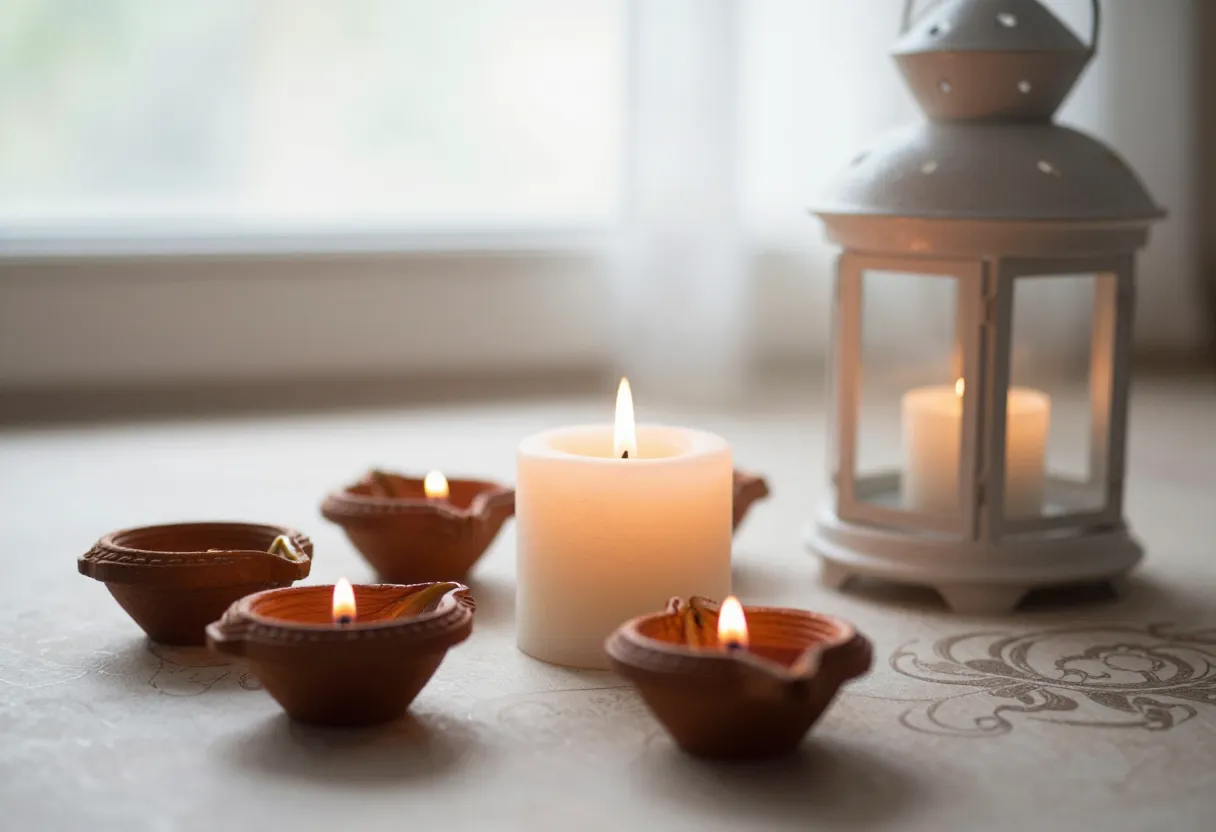
One thing my time in the service taught me is the importance of being smart with resources. In candle making, it is easy to overspend on “extra” materials for a seasonal line that might only sell a few dozen units. You don’t need to buy an entire warehouse of expensive brass lanterns or high-end silks to make your display look professional.
It’s all about the tradeoff between visual impact and inventory cost. For example, using small amounts of colored rice or simple textured fabrics can provide significant visual interest for a fraction of the price of heavy decor. Before you place an order for props or specialty packaging, run your numbers through my [ /tools/pricing-calculator/ ]. You want to make sure that these “extra” touches don’t eat up all your profit margins on a seasonal item. It is better to have three high-quality, intentional display pieces than twenty cheap ones that will just sit in your garage after the holiday passes.
Final Checklist: Ready for the Market
Before anything leaves my bench, I use a disciplined checklist to ensure nothing falls through the cracks. This is especially important during the busy holiday season when it is easy to rush. You need to be certain that every candle meets safety standards and is ready for sale. Do not skip these steps just because you are in a hurry to get your products listed on Etsy or shipped out.
Final Launch Checklist:
- Label Verification: Does every label clearly state the scent, weight, and required safety warnings? Review our [ /guides/candle-labels-and-compliance-explained/ ] for specifics.
- Burn Test Log: Have you recorded your results for this specific wick and wax combination in a log? Use my [ /tools/burn-log/ ] to keep these records organized.
- Safety Data Sheets (SDS): Do you have the SDS on file for every fragrance, dye, and wax used in this collection? See our guide at [ /guides/reading-safety-data-sheets-explained/ ].
- Curing and Testing: Have you allowed enough time for the fragrance to mature in the wax? Refer to [ /guides/candle-burn-testing-and-curing-explained/ ] for more details.
- Shipping Readiness: Is your packaging secure enough to protect a glass jar during transit? Check out [ /guides/candle-shipping-and-packaging-explained/ ].
Inspired by a story from CraftGossip.
Get the next issue
Questions or corrections? Send a note. Or read more issues.