

Newsletter October 27, 2026
The Most Important Safety Checklist for Your Studio
A reminder that safety isn't just about the flame. We look at electrical cords, flammables storage, and keeping your entire studio secure.
The Biggest Risks Are Often the Small Ones
When we talk about candle making safety, most of us immediately think about the heat of the melting wax or the flame of a wick during a burn test. Those are the obvious risks, and they deserve your full attention. However, in my experience at the workbench, I’ve found that some of the most significant hazards aren’t tied directly to the candle itself but to how we manage our workspace as a whole.
A home studio is often a multi-purpose space. It’s easy for safety protocols to slip when your production area is also where you keep your everyday items or other hobbies. A cluttered floor can lead to trips, and an unorganized shelf can mean heavy containers of wax falling onto your feet. We have to look at the room as a complete environment. Before we even think about pouring a batch, we need to ensure that our workspace is organized enough to prevent accidents before they happen. Safety isn’t just about one specific action; it’s about the discipline of maintaining an orderly studio where hazards are minimized by design.
Managing Flammables and Solvents in Your Studio

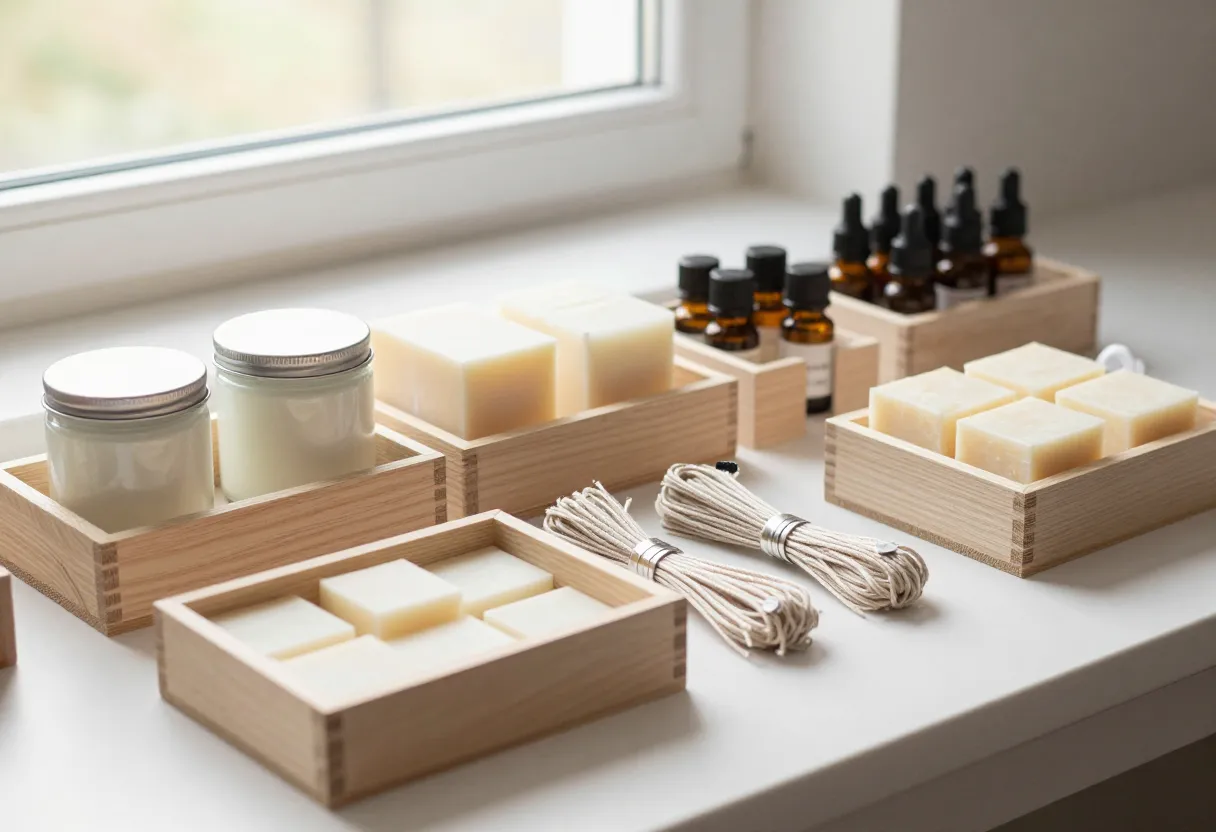
One thing I learned early on—and a mistake I saw many makers make including myself—is treating all supplies as “safe” because they sit on a shelf. Fragrance oils, certain dyes, and any solvent-based materials used in your process are often flammable or can produce fumes if they get too hot. In my studio, I treat these with the same discipline you’d use for any volatile material.
The most important rule is separation: keep flammables away from any heat source, including wax melters, induction burners, or even space heaters used to keep your studio warm in the winter. You should have a designated storage area that is cool, dry, and well-ventilated. I don’t recommend keeping large quantities of fragrance oil right next to where you are melting your wax. It’s about creating a “buffer zone” between your raw materials and your active production tools. If you aren’t sure how a specific material should be handled, always check the Safety Data Sheet (SDS) provided by your supplier. You can find more on interpreting these documents at /guides/reading-safety-data-sheets-explained/.
Electrical Cord Management: A Common Pitfall
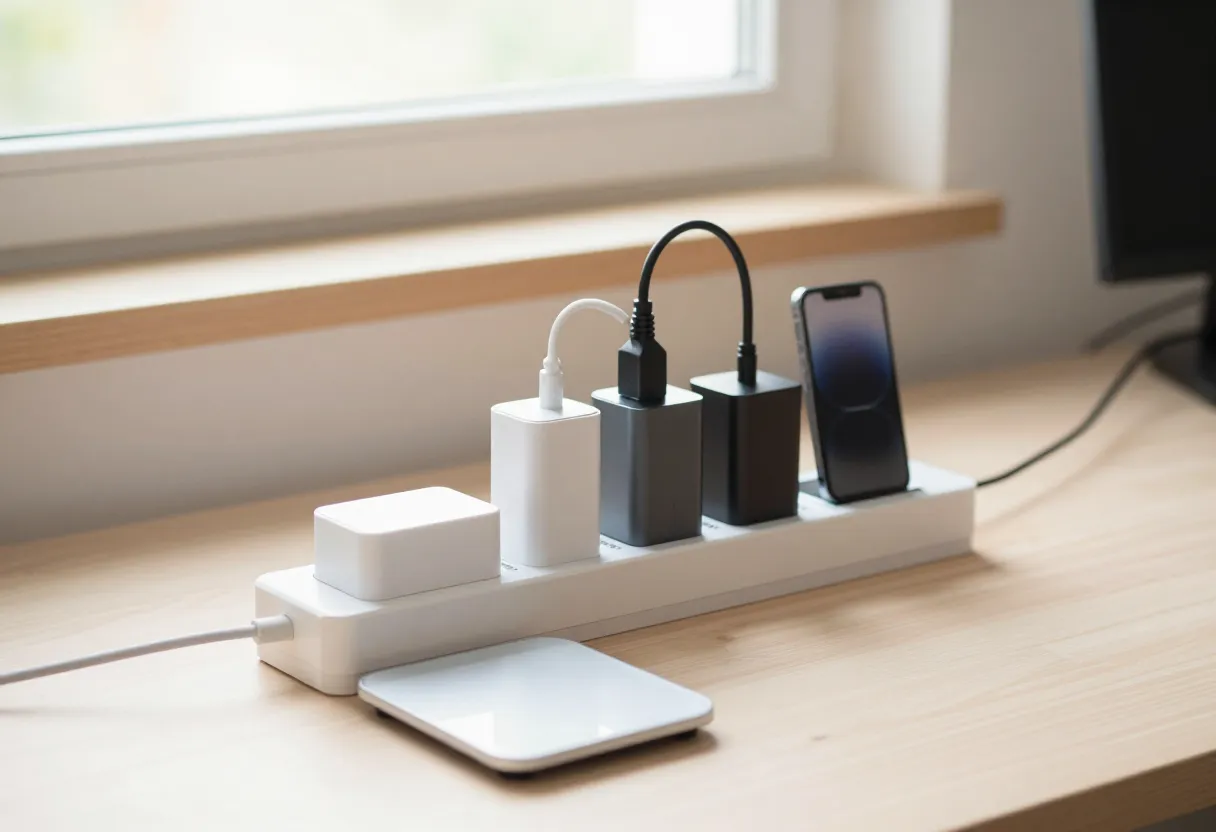
It is easy to focus so much on the wax and wicks that we overlook the electrical setup of our studio. In a home environment, this is where things often go sideways. We are running scales, hot plates, stirrers, and even charging our phones or laptops at the same bench. Overloading a single circuit or letting cords become tangled and frayed under a table creates a significant fire risk that has nothing to do with candle making specifically.
I’ve seen how quickly a cluttered “nest” of wires can become a hazard. You want to ensure your cords aren’t pinched by furniture or running under rugs where they can overheat. If you notice a cord is frayed, cracked, or feels excessively hot during use, it needs to be replaced immediately. It might seem like a small detail, but keeping your electrical setup clean and organized is just as important as keeping your pour area tidy. A simple way to start is by grouping cords together and ensuring that each high-draw appliance—like a wax melter—has its own dedicated space without being crowded by other electronics.
The ‘Checklist’ Mindset for Every Batch
My background in the Marine Corps and with the Civil Air Patrol taught me that safety isn’t an accident; it’s a result of deliberate habits. In those environments, “pre-flight” checks aren’t optional—they are the standard. I try to bring that same mindset to my candle studio. Before I start any pour or even begin prepping my materials, I go through a mental checklist of the room.
Is my workspace clear of unnecessary clutter? Are my flammables stored away from the heat source? Are my electrical cords clear and safe? Is my ventilation working as it should? By making this a routine part of your process, you take the guesswork out of safety. You don’t have to “remember” to be safe; you just follow the checklist. This discipline ensures that when you are focused on the nuances of your melt pool or fragrance throw, you aren’t distracted by preventable hazards in the background. For a comprehensive overview of how to keep your studio running smoothly and safely, check out /guides/candle-safety-explained/.
To get started with your first batch safely, I recommend reviewing our guide at /guides/start-here-your-first-candle/.
Inspired by a story from Fire Engineering.
Get the next issue
Questions or corrections? Send a note. Or read more issues.