

Newsletter October 15, 2026
Unit Conversions: When a Foot Isn't the Same as an Inch
Sometimes you run into measurements that don't match your recipe or container. This guide walks through our free Unit Converter tool so you can keep accurate batch notes every time
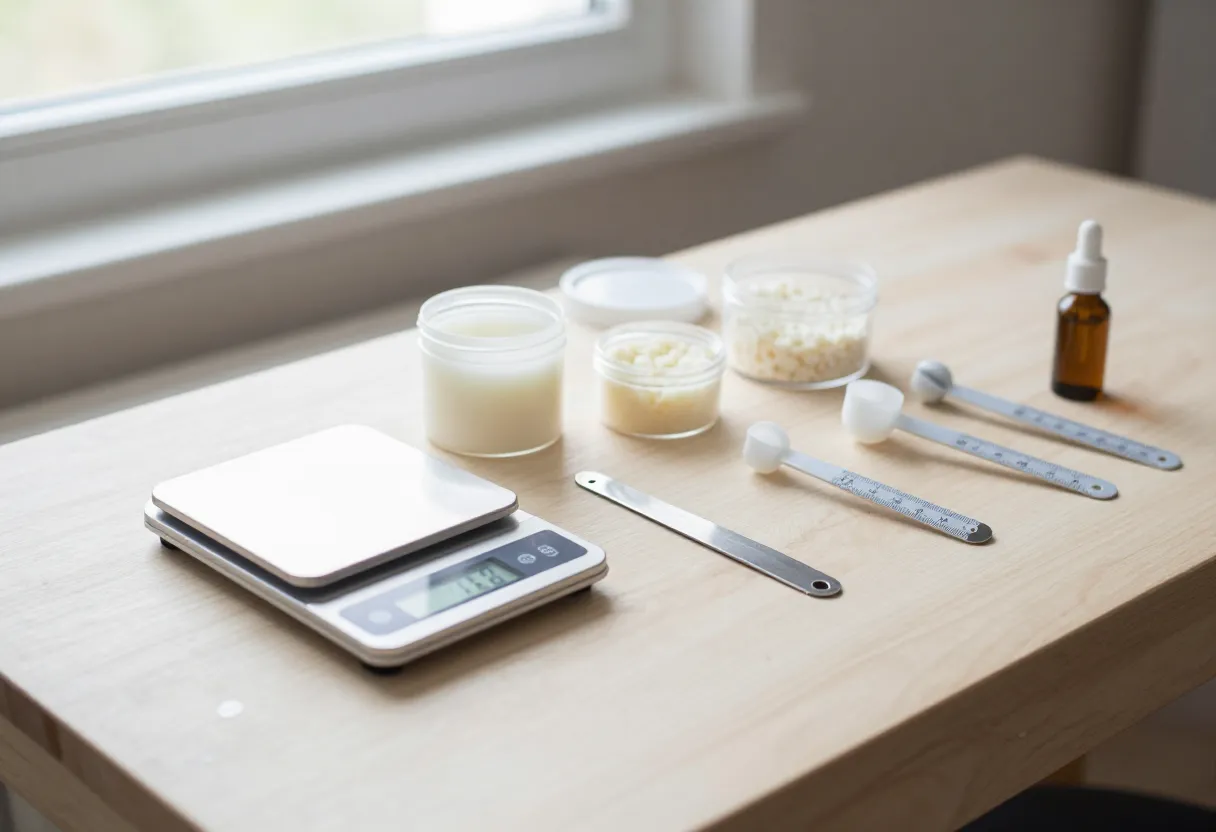
When a recipe calls for imperial and metric units
One of the first hurdles you’ll hit as a maker is navigating different measurement systems. You might find a great pour technique online that uses grams, but your scale only reads in ounces. Or, you might be looking at a supplier’s data sheet written in metric while your preferred batch notes are kept in imperial. It can be frustrating to try and do mental math or manual conversions when you’re trying to maintain consistency across your batches.
I created the unit converter as an essential tool for these exact moments. The goal is to remove the guesswork from your workbench routine. Instead of squinting at a calculator or guessing if “close enough” is good enough, you have one straightforward place to go. It’s designed to help you bridge that gap quickly so you can get back to the actual work—preparing your containers and monitoring your melt pools—without getting tripped up by conflicting units in a recipe.
What this converter can handle (and what it can’t)
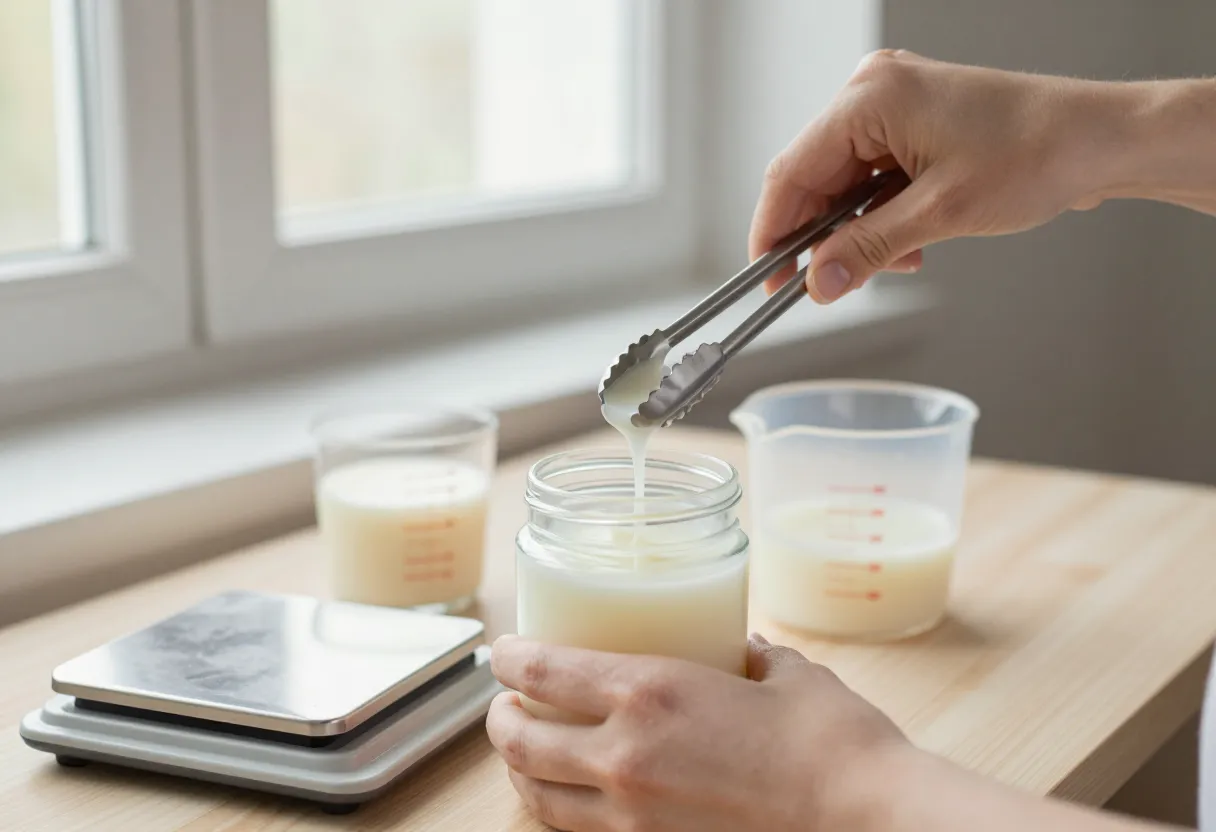
It is important to understand exactly what a conversion tool does for your craft. The unit converter handles the four primary types of measurements you will encounter at your workbench: weight, volume, temperature, and length. Specifically, it allows you to move between grams and ounces, fluid ounces and milliliters, Fahrenheit and Celsius, and inches and centimeters.
However, it is vital to remember that converting a unit does not change the physical reality of your materials. A wick that is ten inches long remains exactly the same length whether you measure it in inches or centimeters; only the number used to describe it changes. Similarly, while the tool helps you translate temperatures between Fahrenheit and Celsius, those numbers are just labels for heat levels. You should always cross-reference these results with your specific wax supplier’s data sheet to ensure your equipment is set correctly for their particular products before you begin a pour.
The most important thing to remember when measuring wax
If there is one mistake I see more often than any other, it is the confusion between weight and volume. This is where many makers—myself included in the early days—get things backwards. An ounce of weight (mass) and a fluid ounce of volume are not the same thing.
Because wax has a different density than water, a fluid ounce of wax actually weighs less than a fluid ounce of water. Because of this discrepancy, professional candle recipes are almost always written by weight (grams or ounces), never by volume. If you try to measure your wax using a measuring cup (fluid ounces) instead of a scale, your results will vary every time based on how the wax is poured or packed into the container. To solve this specific problem—moving from a container’s physical size to the amount of weight you need to pour—you should use our wax calculator rather than just converting units at the bench.
A simple walkthrough: Using it on your bench
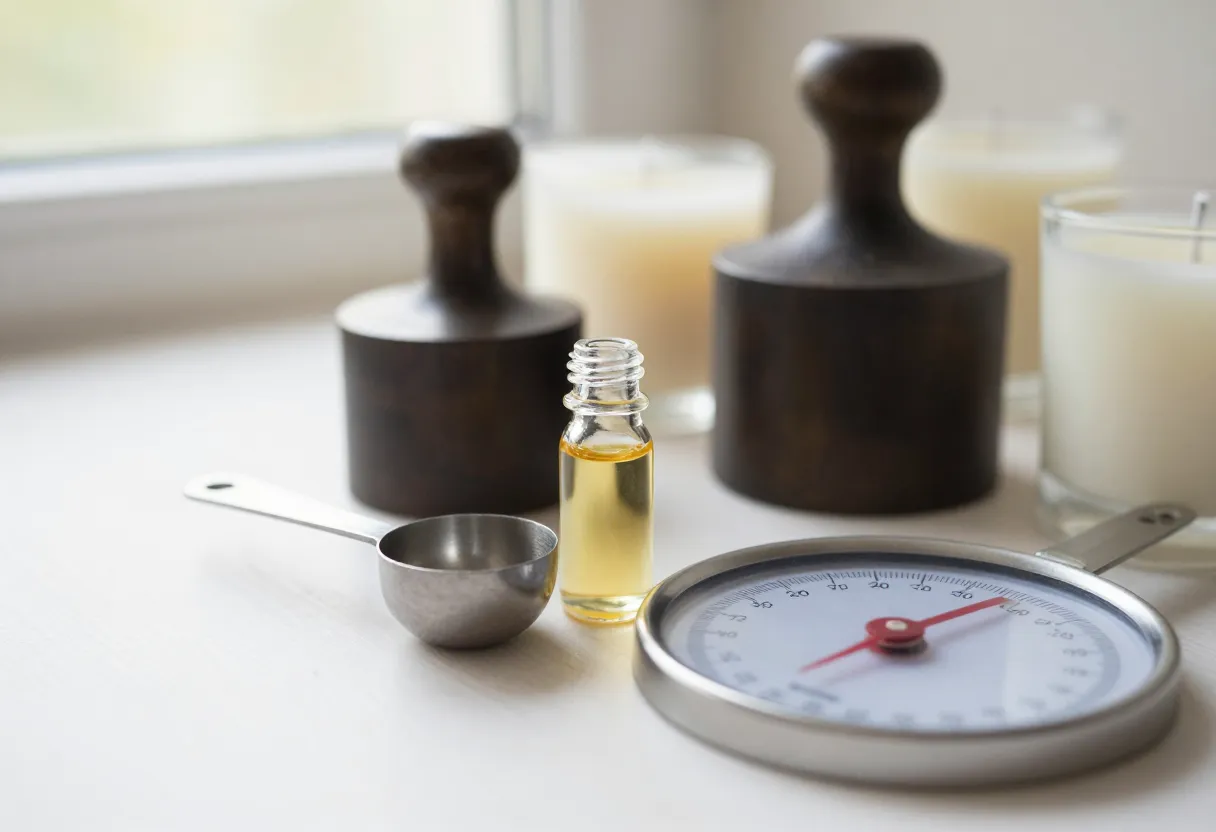
Using the tool is straightforward and designed to get you moving quickly. When you are looking at a recipe or a specification that isn’t in the unit you prefer, head over to the unit converter. You will see four fields: “What are you measuring?”, “Value”, “From”, and “To”.
For example, if you find a high-performing scent blend online that calls for 16 oz of wax but your personal batch log is kept in grams, you would enter “16” as the value, select “ounces” under the “from” section (to indicate weight), and select “grams” as your target. The tool will give you a starting point to help you record that measurement accurately in your notes. While this provides a reliable baseline for conversion, always remember that these are standard conversions; if you are working with specialty waxes or unique additives, the specific data from your wax supplier’s sheet should remain your primary guide.
When you need more than just conversion: Finding your ratios
There comes a point where simply changing one unit to another isn’t enough to solve the problem at hand. If you are trying to figure out how much fragrance oil to add to a specific batch, or exactly how many pounds of wax you need to fill fifty jars, a simple unit converter is just the first step in the math.
In these cases, you need to move from conversion to calculation. To ensure your scent throw is consistent and your pour levels are even, use specialized tools designed for those specific tasks. Our wax calculator helps you determine the correct weight of wax needed based on a container’s volume, while our fragrance calculator ensures you are hitting the right percentages for your scent loads. By using the right tool for the specific problem—rather than just converting units to make them “fit”—you can create a more consistent and reliable product for your customers.
Get the next issue
Questions or corrections? Send a note. Or read more issues.