

Newsletter November 2, 2026
Building Gift Bundles That Sell the Experience
Think beyond a single jar. Learn how to package your candles and accessories into full 'ambiance kits' that elevate the perceived value of your work.
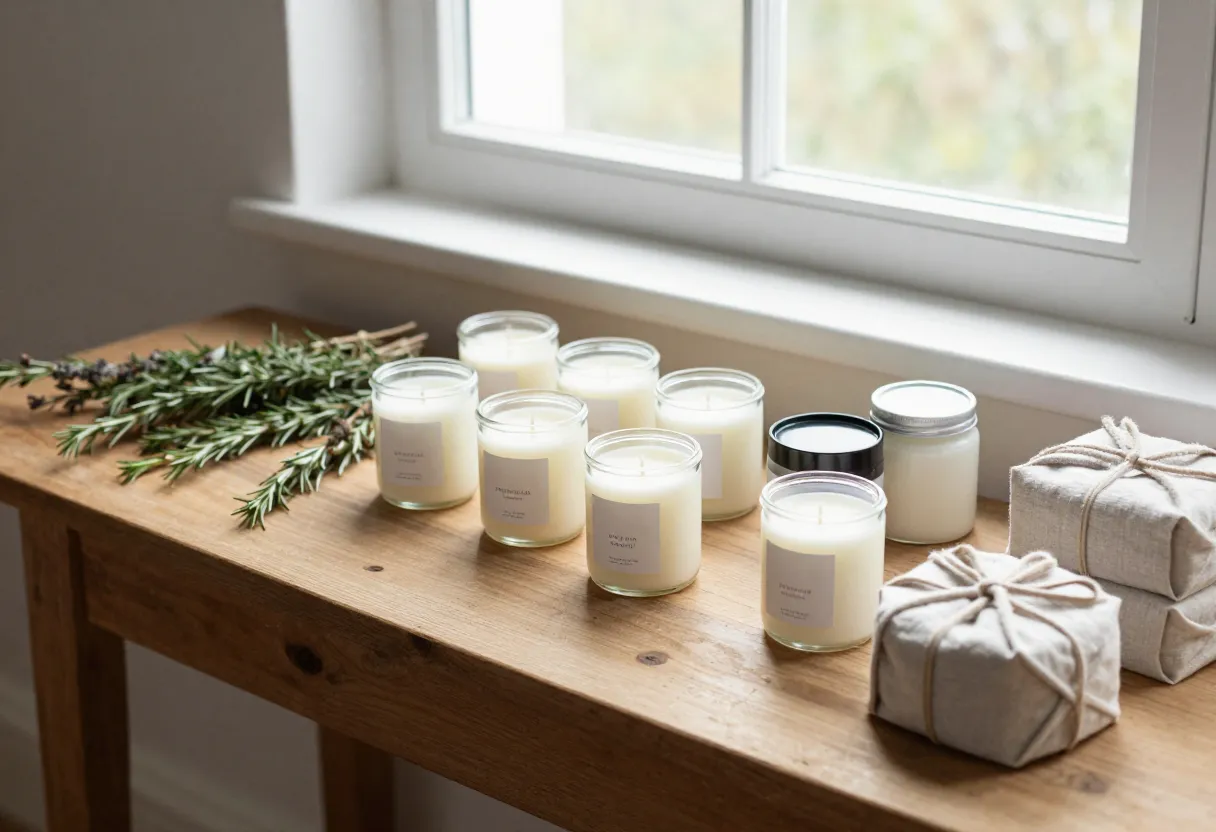
The Big Picture: Selling Ambiance, Not Just Wax
When you sit down at your bench to pour a batch of candles, it is easy to focus entirely on the technical side—the melt temperature, the fragrance load, and ensuring that wick produces a clean burn. But when we move into selling these products as gifts, our perspective has to shift slightly. You aren’t just selling a container of wax and a piece of cotton; you are selling an atmosphere.
A customer buying a candle for a winter holiday isn’t just looking for a scent; they are looking for the feeling of a cozy living room, a sense of warmth during a cold evening, or a specific memory triggered by a familiar aroma. To sell “ambiance” means to help your customer visualize that moment. When you bundle items together, you are providing them with the tools to create that experience more easily. It is about moving from being a manufacturer of goods to a curator of moments. I’ve found that when we focus on the “why” behind the purchase—the feeling of home and comfort—it makes it much easier for the customer to see the value in what you’re offering.
Pairing Techniques: Completing the Sensory Kit
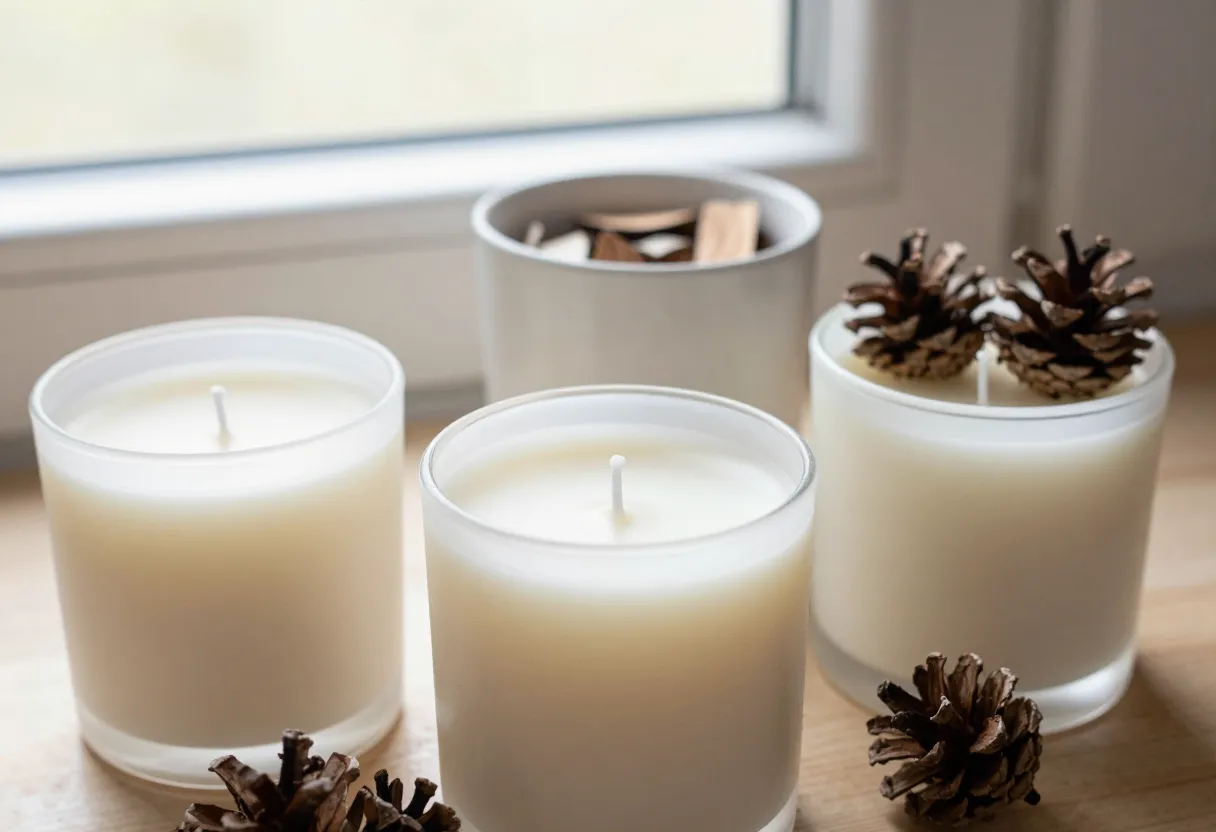
A candle is often the centerpiece, but a great gift bundle feels complete because it includes the surrounding details. I like to think about what else would sit on a table next to my candles during a test burn. If I’m selling a “Harvest” themed candle, what other items help tell that story?
Practical cross-selling involves choosing non-candle items that complement the vibe without overcomplicating the purchase for the customer. This might include:
- A set of long-reach matches or a dedicated wick trimmer.
- Small decorative elements like coasters or tea lights.
- Themed accessories, such as a small bag of specialty coffee beans or a specific type of herbal tea that pairs well with the scent profile.
By grouping these together, you take the guesswork out of the shopping experience for your customer. You are doing the work of curation for them. It isn’t about trying to sell as many items as possible; it’s about making sure the “Sensory Kit” feels like a cohesive unit that makes their job of creating an atmosphere much simpler.
Making Your Scent Story Cohesive
One thing I learned early on in my candle-making journey is that a collection of scents can easily feel disjointed if there isn’t a common thread. If you are building a seasonal line, the goal is for every item to feel like it belongs in the same “family.” You want your customers to feel like they are exploring a curated story rather than looking at a random assortment of products.
To achieve this, I look at scent blending principles. For example, if you have three different candles for an autumn collection, they might all share a common base note—like vanilla or cinnamon—while varying in their top and middle notes. One could be heavy on spice, another more floral, and a third more woody, but that shared foundation keeps them cohesive. I always recommend testing these interactions at your bench first. Before you commit to a full production run, ensure that the scents don’t compete with each other in an unpleasant way when burned in the same room. A cohesive collection feels intentional; it shows the maker put thought into the entire experience from start to finish.
Presentation Matters: The Finishing Touches
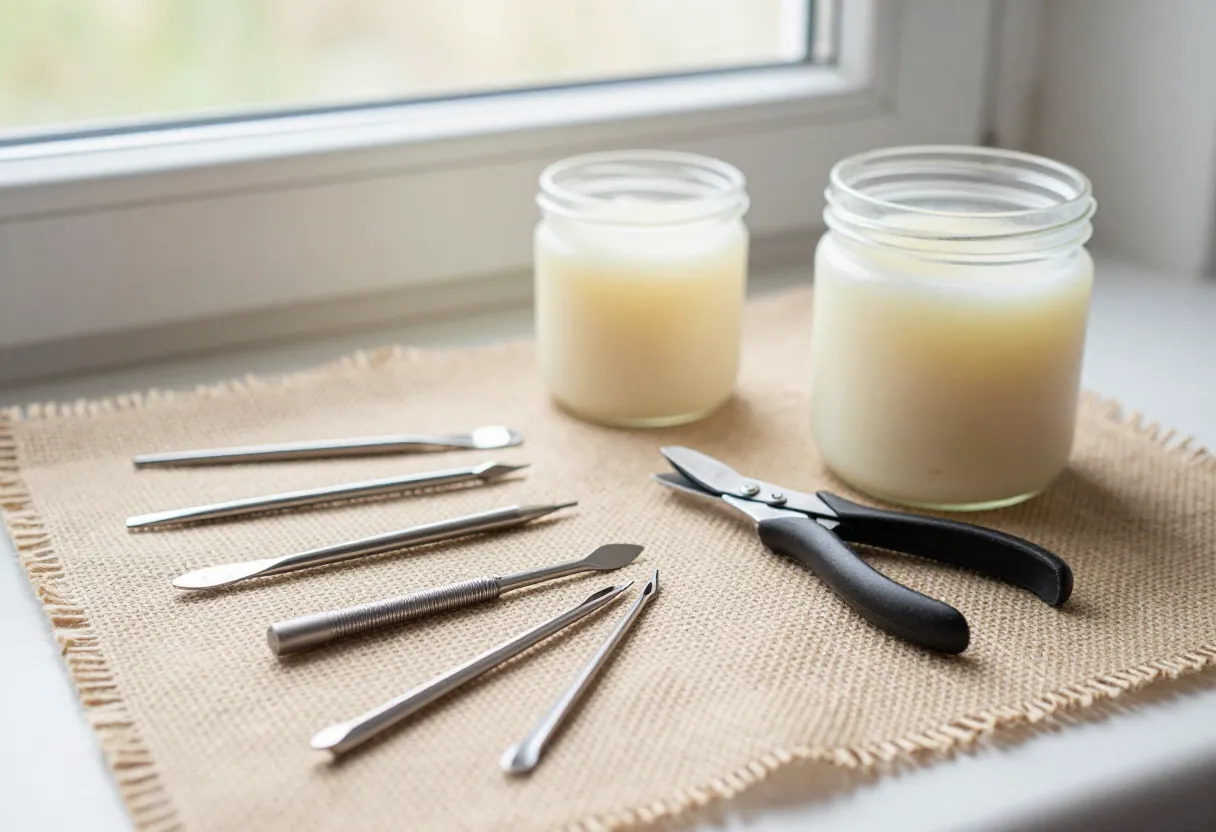
The first time a customer interacts with your brand isn’t when they light the candle; it’s when they see the package. In my experience, presentation is where many makers get things backwards by over-complicating the “look” and sacrificing the functionality of the packaging.
Your labels and materials should tell a story without being overly loud. I prefer clear, honest communication:
- Use durable materials that can withstand shipping and handling without tearing or peeling.
- Ensure your labels are legible; a beautiful font is useless if the customer can’t read the scent name or safety instructions.
- Include small “story” elements, like a simple card explaining the inspiration behind the seasonal bundle.
The goal of physical presentation is to reassure the customer that they made a good choice and that you cared about every detail of their purchase. It’s not about luxury for the sake of luxury; it’s about professional execution. When your packaging feels sturdy and thoughtful, it builds trust in the quality of the wax inside.
Building Your Seasonal Plan (And Staying Safe)
Organizing a seasonal launch requires a bit of discipline to ensure nothing falls through the cracks. I treat my production schedule with a checklist approach—it keeps me focused on the task at hand and ensures that every bundle meets my standards before it hits the shop. When you are creating bundles for others, your responsibility for clear communication increases because these items are often being sent as gifts.
Seasonal Bundle Checklist
- Define the Theme: Choose a specific mood or season (e.g., “Midnight Forest” or “Summer Orchard”).
- Select Scent Profiles: Identify 2-3 scents that share common notes to create cohesion.
- Source Complementary Items: Find non-candle accessories that fit the theme and are easy to ship.
- Design Labels & Packaging: Ensure all components have clear, consistent branding.
- Conduct Burn Tests: Test every new candle combination for performance consistency.
Safety is a non-negotiable part of this process. Every gift bundle must include clear instructions on how to use the products responsibly. I always point my customers toward my Candle Safety guide to ensure they have the information needed to keep their homes safe while enjoying their new ambiance.
To get started on your next collection, you might find it helpful to use our wax calculator or fragrance calculator to keep your batch notes consistent as you scale up for the season.
Inspired by a story from CraftGossip.
Get the next issue
Questions or corrections? Send a note. Or read more issues.