

Newsletter November 13, 2026
Keeping Your Workbench and Home Safe When You Light Up
Candle making is a craft, and safety protocols are part of that discipline. We're reviewing best practices—from placement rules to burn testing—to keep your workshop safe and ensur
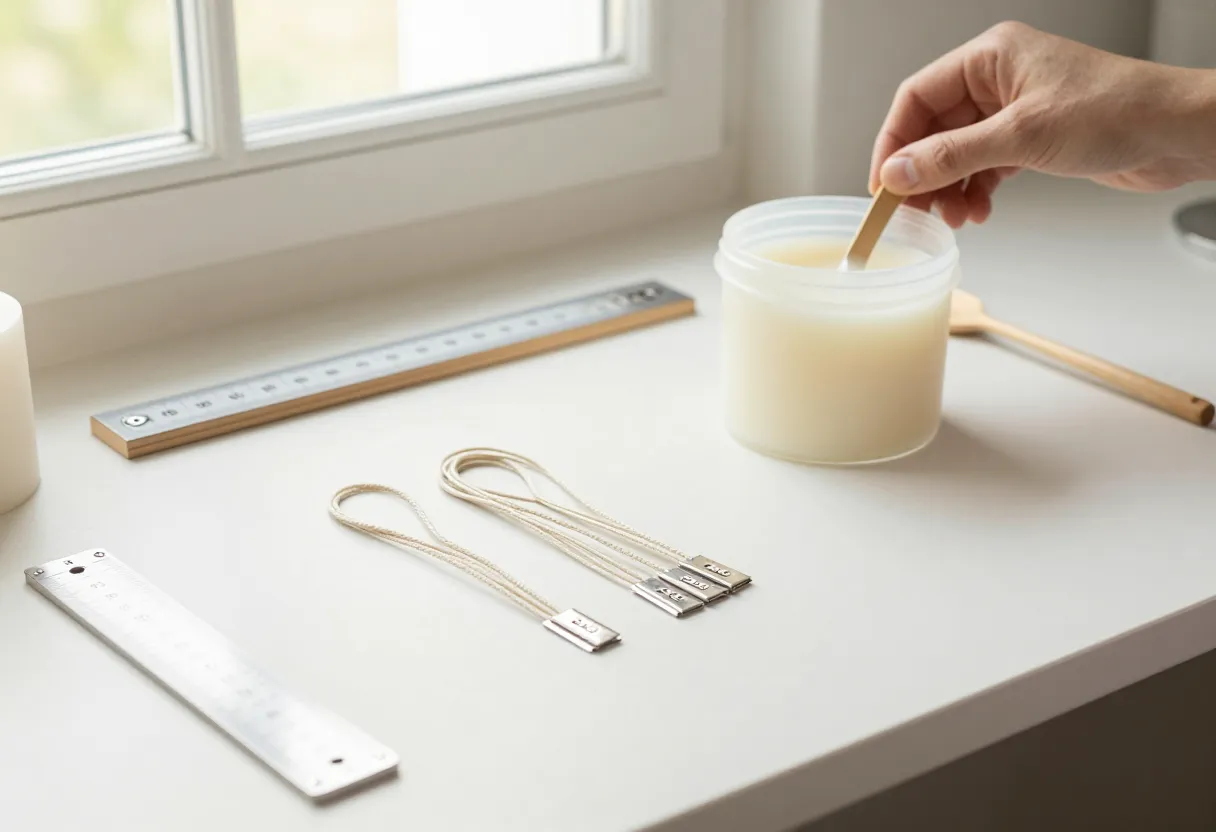
A Quick Word on Discipline: Why Safety is Non-Negotiable
In my experience, whether you are working in the woods as an Eagle Scout or managing a complex operation in the military, discipline is what separates a successful outcome from a catastrophe. In candle making, that same mindset applies to safety. It isn’t just about following rules to avoid getting in trouble; it’s about a disciplined approach to craftsmanship. When you are working with wax and open flames, “close enough” isn’t an acceptable standard for your workspace or the products you intend to sell.
Safety is one of the most important tools in your kit—right alongside your thermometer and your pouring pitcher. I view caution as a form of professional respect: respect for your own home, respect for your customers’ safety, and respect for the craft itself. If we don’t have a disciplined routine for checking our equipment and understanding how different materials interact with heat, we are just guessing. Knowledge is what allows us to move from “hoping it works” to knowing that a batch is safe and high-quality. We start by getting the facts straight before we ever light a wick.
The Three Rules of Placement: Where and How You Burn It

Before you strike a match, you need to evaluate the environment. A candle doesn’t exist in a vacuum; it interacts with everything around it. I tell makers that if they want their customers to have a good experience—and stay safe—they need to establish these three foundational rules of placement:
1. The Level Surface Rule
A candle must always be placed on a flat, stable surface. If a container is even slightly tilted, the wax can pool unevenly or the vessel could tip. For makers, this means ensuring your packaging instructions clearly state that candles should be placed on level surfaces to prevent spills and accidents.
2. Heat-Resistant Materials
Never place a hot candle directly onto materials like wood, lace, or thin plastic. The heat from the glass container can scorch these surfaces over time. I always recommend using coasters or heat-resistant trays, especially for those who are burning multiple candles at once.
3. Clearance and Airflow
A candle needs “breathing room.” It should be kept away from anything that can catch fire—curtains, bedding, or paper. Additionally, it shouldn’t be placed in a direct draft (like right next to an open window or a high-powered fan), as this can cause the flame to flicker wildly and produce excessive soot.
Monitoring Your Batch: The Proper Care Checklist While Burning
This is where many makers—myself included when I first started—get things backwards. We think “burning” a candle is a passive act, but it actually requires active monitoring during the initial stages of use. If you are selling your first batch, these are the points you should be teaching your customers to ensure they get a clean, full melt.
Melt Pool Management
The goal is for the wax to melt all the way to the edges of the container. This prevents “tunneling,” where the candle burns a hole straight down the middle, wasting the wax on the sides. If you notice tunneling, it’s usually a sign that the wick size isn’t quite right for the diameter of your jar or that the burn time was too short.
Wick Maintenance
Keep an eye on the flame height and color. A flame that is dancing excessively or producing heavy black smoke often means the wick needs to be trimmed. I recommend trimming wicks to about 1/4 inch before every light. Proper maintenance ensures a steady, predictable burn rather than an unpredictable one.
Burn Time
Don’t let a candle burn for too long in one sitting. Most makers find that a 2-to-4 hour window is the sweet spot for maintaining a consistent melt pool without overheating the container. You can track these results and refine your process by using a burn log.
What We Learn from Real-World Incidents: Recognizing High Risk

When we look at safety recalls or incidents in the candle industry, they usually boil down to a few common variables that any maker can learn from. Most issues aren’t caused by “bad wax”; they are caused by an environment where the candle was pushed beyond its intended use.
For example, many risks arise when candles are placed too close to walls or other objects, allowing heat to build up in one area until it reaches a flash point. Another common issue is placing a container on a surface that isn’t rated for high temperatures, leading to the vessel cracking or the surface melting. We have to view these incidents as data points for our own bench notes. It reinforces why we don’t just “wing it.”
A candle should never be viewed in isolation; it is part of a home environment where pets, children, and moving objects are present. By being proactive about education—teaching your customers how to use the product safely and responsibly—you aren’t just avoiding a liability; you are providing a better service as a maker.
Final Check: Passing on Proper Care
Safety is a shared responsibility between the person who pours the wax and the person who lights it. As makers, our job is to provide the tools and information necessary for that person to succeed. This means being honest about what your candle can do and providing clear instructions on how to handle it properly.
If you’re still feeling unsure about how to manage these variables, I recommend starting with a deep dive into the fundamentals of safety protocols and material behavior. You can find my full breakdown of these topics in our candle safety guide. For those looking to get their production started on the right foot, you might also want to check out our pour and cure guide or use our wick selector to ensure your wicks are matched correctly to your containers. Taking these steps now saves time, money, and headaches down the road.
Inspired by a story from Fire Engineering.
Get the next issue
Questions or corrections? Send a note. Or read more issues.