
Newsletter October 20, 2026
Understanding Combustion Safety in Your Workshop and Home
We talk a lot about wick size and fragrance load, but what about the air? This guide covers general home ventilation and indoor combustion risks. Stay safe out there.
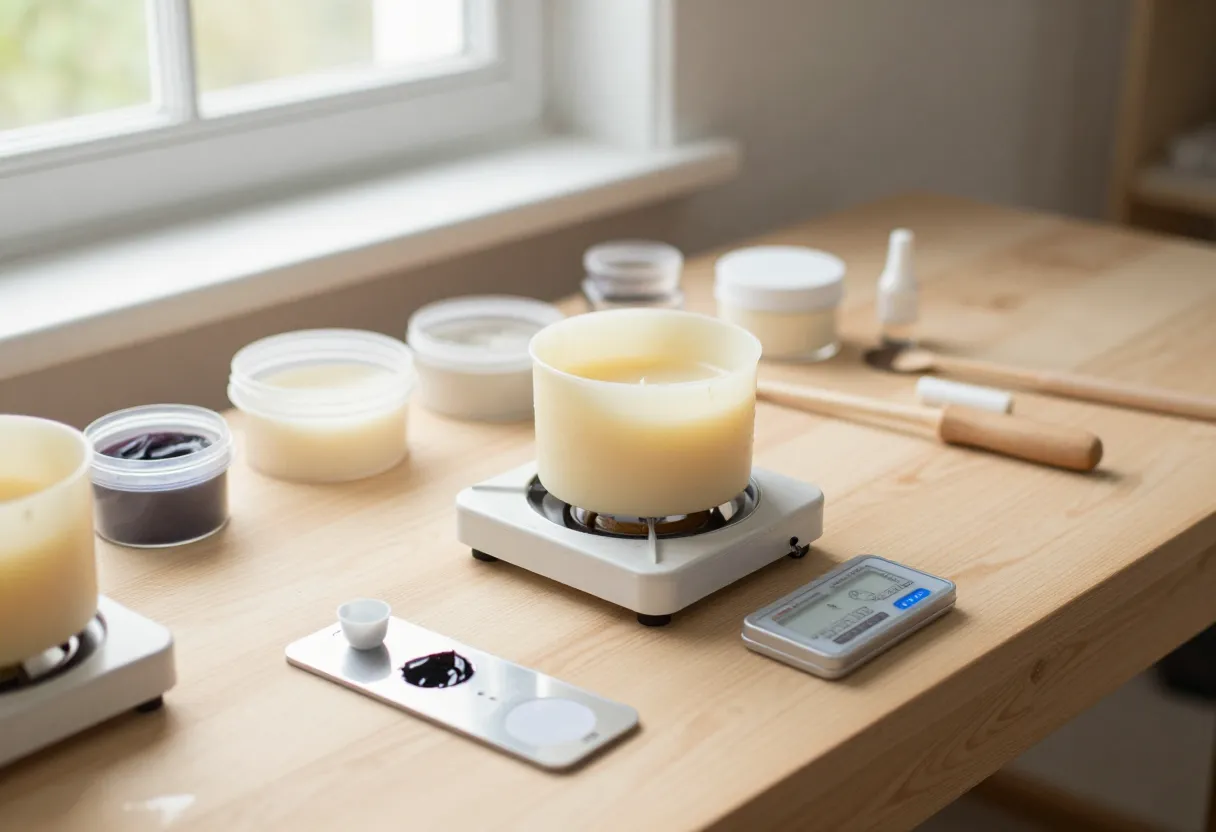
It’s not just about candles—it’s about clean air.
When you start making candles, it is easy to focus entirely on the variables within your container: the pour temperature, the wick size, and the fragrance load. These are the things that make a candle perform well on the shelf. However, as we move from hobbyist to maker, we have to look at the environment where those products—and our safety—exist.
Indoor air quality is a foundational piece of any workshop or home studio. Every time something involves combustion, there is a byproduct. While we often focus on the immediate risks of fire in a manufacturing space, the less immediate but equally important factor is what stays in the air after the flame is out. Whether you are melting wax for a large batch or testing a new wick style, maintaining proper ventilation ensures that your workspace remains safe and habitable. Good airflow isn’t just about keeping the room from getting stuffy; it’s about ensuring that any byproducts of heat and combustion are moved out before they can accumulate in an enclosed space.
The invisible danger: Understanding carbon monoxide (CO).
One of the most important things to understand regarding indoor safety is that some hazards don’t have a scent, a color, or a warning sign until it is too late. Carbon monoxide (CO) is a byproduct of incomplete combustion. It can be generated by anything that burns—gas-powered heaters, stoves, engines, and yes, even candles if they are burned in poorly ventilated areas.
Because CO is odorless and colorless, you cannot rely on your senses to tell you when it’s present. This is why I always advocate for a “don’t guess” approach. In my experience, the best way to manage this risk is through prevention and detection. Having working carbon monoxide detectors in your workspace or home isn’t just a recommendation; it’s a standard safety practice. Understanding that CO comes from any combustion source helps you appreciate why ventilation matters across all aspects of your life, not just during those specific hours when you are pouring wax or testing batches.
Good ventilation is your best piece of equipment.


In my time in the service and scouting, I learned that the most reliable tool is often the simplest one. In a workshop setting, good ventilation is your primary line of defense against poor air quality. You don’t need high-tech systems to start; you just need a plan for airflow.
If you are working in a garage, a basement, or even a kitchen, ensure there is a clear path for air to enter and exit the space. This can be as simple as opening windows or using fans to move air out of your workspace. You want to avoid “dead zones” where air sits still. When you are melting wax or working with heat sources, aim for cross-ventilation—where air moves in from one opening and out through another. By keeping the air moving, you ensure that any particulates or gases produced during the manufacturing process don’t linger near your face or stay trapped in a small room. Consistency is key here; make it a habit to check your ventilation setup every time you start a new production day.
Bringing it back to the bench: Candle-specific safety checks.
When we apply these general principles to our specific craft, there are a few things I’ve learned through trial and error on my own bench. First, during your burn tests, pay close attention to how much smoke or soot is being produced. A lot of makers, myself included, sometimes overlook the fact that a struggling wick can create more than just a poor melt pool—it can produce significant amounts of smoke in a small testing area.
Additionally, keep your workspace organized so that materials are not placed too close to heat sources during the melting or pouring process. While we follow strict safety protocols regarding how we melt wax and handle fragrance oils, it is also important to manage the environment where those actions take place. If you notice a persistent “burnt” smell or an unusual amount of smoke during your testing phase, that’s your cue to increase your ventilation or re-evaluate your wick choice. Relying on your own notes and observations—rather than just what looks good in a photo—is how you build a safe and reliable process. For more specific details on the chemistry of your materials, I always recommend reviewing the safety data sheets provided by your suppliers.
The checklist approach (A few disciplined steps).

I prefer to handle safety with a sense of discipline. It’s not about worrying; it’s about having a repeatable system so you don’t have to think about it when you’re in the middle of a pour. Here is a simple, no-nonsense checklist for maintaining a safe environment in your workshop:
- Verify Ventilation: Before lighting any flame or turning on a heating element, ensure at least one window is open or an exhaust fan is running to provide a constant flow of fresh air.
- Monitor Your Burn Tests: During testing, keep a close eye on the wick’s performance. If it produces excessive smoke, move your test to a well-ventilated area until you can troubleshoot the wick size.
- Maintain Clear Zones: Keep all flammable materials (like extra packaging or dry rags) at a safe distance from where you are melting wax or testing candles.
- Check Your Equipment: Ensure that any electrical components, like your wax melters or hot plates, are in good condition and not overheating.
- Know the Data: Keep copies of the safety data sheets (SDS) for every oil, wax, and fragrance you use on hand to understand their specific properties.
By following these steps consistently, you protect yourself and your workspace from unnecessary risks. If you want a deeper dive into how to manage these factors in your business, check out our guide on candle-safety-explained.
Inspired by a story from Fire Engineering.
Get the next issue
Questions or corrections? Send a note. Or read more issues.