

Newsletter October 18, 2026
Using the Scent Blend Calculator: Weighing Your Oils Like a Pro
Don't guess when blending oils. This guide walks through using our Scent Blend Calculator to accurately weigh multiple fragrances for any batch size, every time.
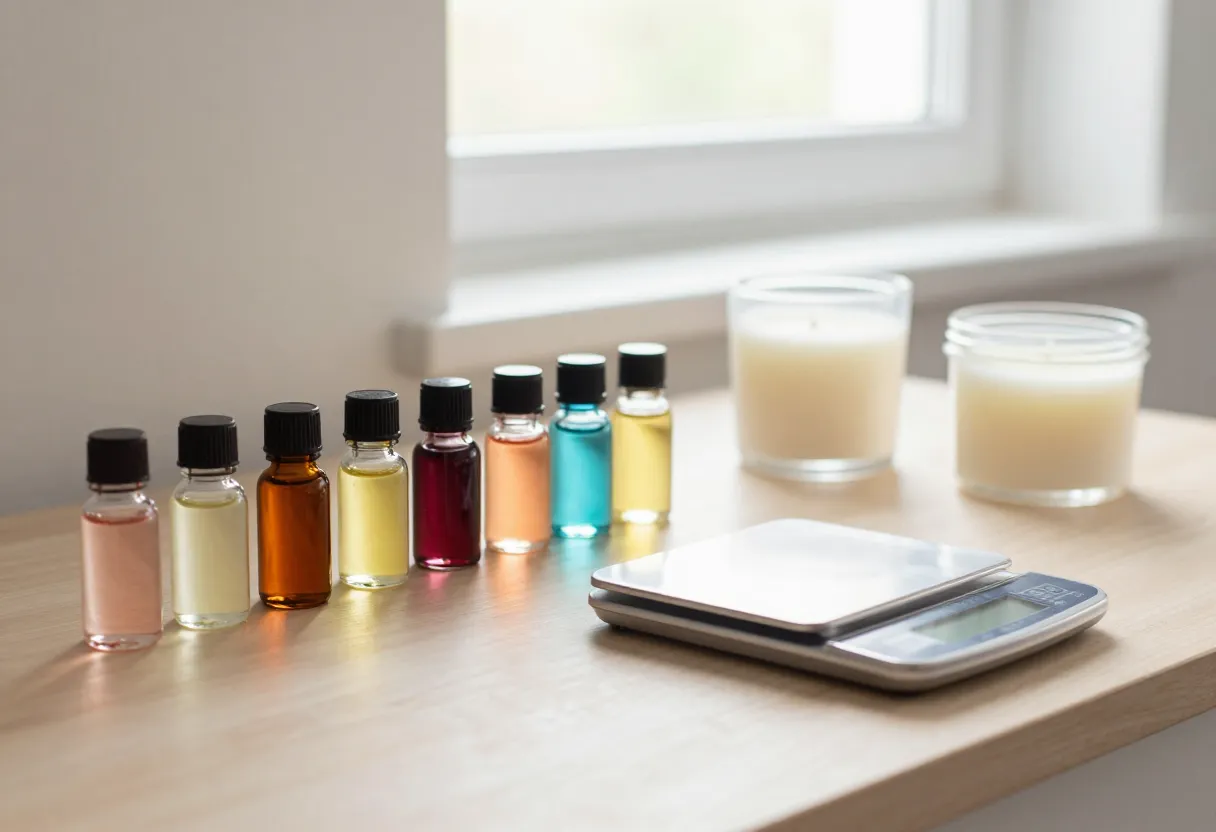
Getting Started: Why blending ratios aren’t enough
When you are starting out, it is easy to think that having a recipe like “60% Lavender and 40% Eucalyptus” is all the information you need to create a consistent product. However, on your bench, percentages alone don’t translate directly into weight. Because different fragrance oils have different densities and viscosities—meaning one drop of oil A might weigh more than one drop of oil B—relying on volume or general “parts” without calculating specific weights can lead to inconsistent results between batches.
If you want a customer who buys your candle today to get the exact same scent experience when they order again in six months, consistency is everything. Even a small deviation in the ratio of oils can change the profile of the final product. To ensure every batch is identical, you need to convert those percentages into precise gram weights before you ever start pouring. This moves your process from “close enough” to a repeatable formula that works every time you step up to the scale.
What the Scent Blend Calculator actually does (and how it works)

To move away from guesswork, I recommend using our Scent Blend Calculator. The tool is designed to take your desired blend ratio—for example, a 60/30/10 split of three different oils—and calculate exactly how many grams of each oil you need for a specific batch size.
Instead of trying to do the math manually every time you change your wax volume or want to make a larger run, you input the weight of your wax and the desired fragrance load percentage. The calculator then handles the division across your oils based on their “parts.” For instance, it recognizes that 60/30/10 and 6/3/1 are mathematically identical ratios; both represent the same proportions. This allows you to stick to a simple recipe while getting precise measurements for every component. It also supports master blends, which is helpful if you prefer to mix your oils ahead of time in large quantities rather than mixing them into the wax at the moment of production.
A quick example: From parts to grams
Let’s walk through how this looks on the bench. Suppose you have a batch size and want to create a blend using three different fragrance oils in a 60/30/10 ratio. Rather than trying to guess what “parts” means when it comes time to pour, the tool takes your total wax weight and your intended load percentage to determine the total amount of fragrance needed for that specific batch.
Once that total is established, the calculator divides that amount across your three oils based on their respective parts in the ratio. If you are using a 60/30/10 ratio, it calculates how many grams of oil one “part” represents and multiplies accordingly. This gives you a clear list:
- Oil A: [X] grams
- Oil B: [Y] grams
- Oil C: [Z] grams
By following these precise weights instead of measuring by drops or using rounded estimates, you ensure that your fragrance load remains consistent across every pour. This is the first step in moving from a hobbyist approach to a professional production workflow where accuracy is paramount for quality control.
The rules for blending (What it won’t tell you)
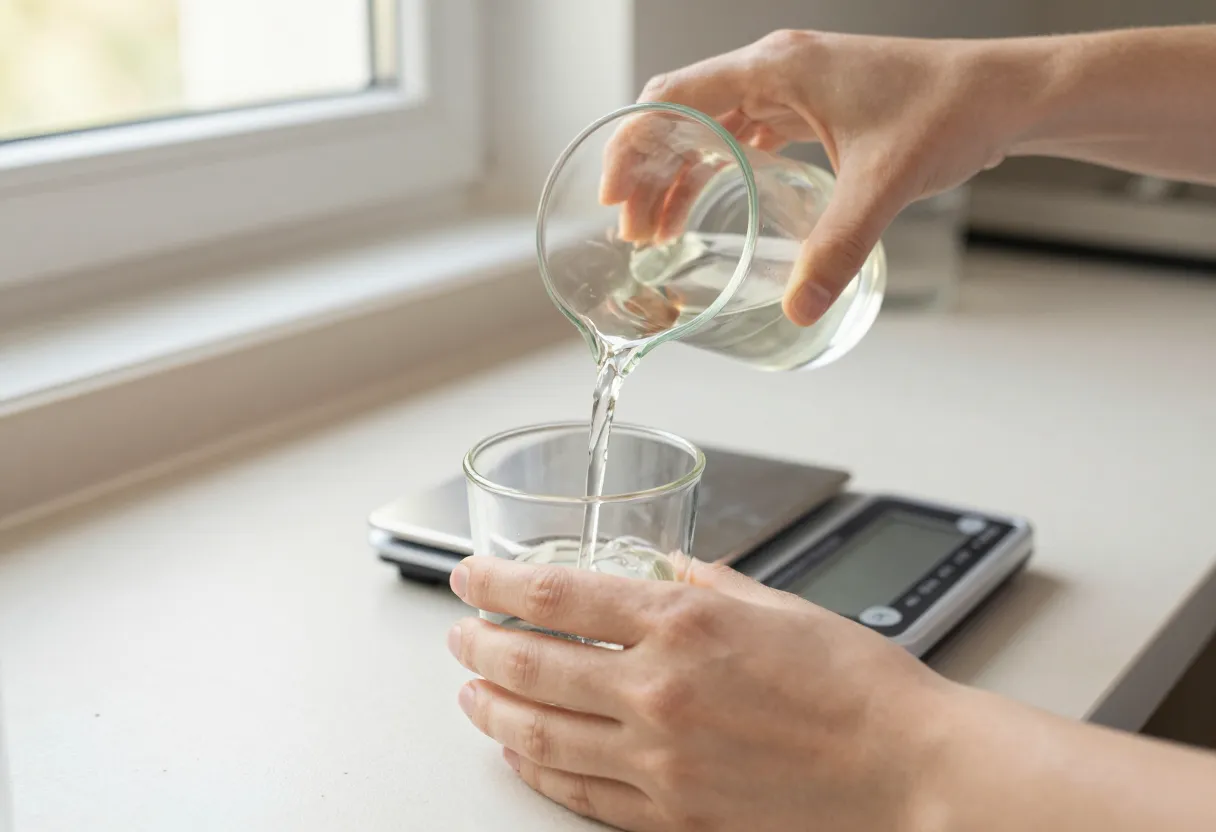
While a calculator provides the math, it doesn’t replace the discipline required to ensure your products are safe and high-performing. This is where many makers get things backward: assuming that because the math works, the chemistry is settled. A calculation cannot account for the specific properties of every oil in your blend.
Before you mix anything based on a calculated weight, you must consult the Safety Data Sheets (SDS) provided by your supplier. You need to check two main factors:
- Flash Points: The safety of your manufacturing process depends on knowing when an oil becomes flammable.
- Maximum Load Limits: Different oils have different maximum percentages they can be safely and effectively blended into wax.
Because a blend is only as safe as its most “at-risk” component, you must treat the entire blend as being limited by whichever oil has the lowest flash point or the lowest maximum load from your supplier’s data sheet. If one of your three oils in a 60/30/10 mix has a lower safety limit than the others, that becomes the cap for the total fragrance amount you can use for the entire blend. Always verify these specifics with your supplier’s documents before finalizing any recipe.
Your next step for mixing
Getting the math right on your scent blends is about building a reliable foundation. It ensures that when you find a combination of oils that works, it stays consistent every time you make it. However, calculation is only one part of the process. A perfect weight doesn’t guarantee a good burn or a safe product.
Once you have used the Scent Blend Calculator to determine your weights, your next steps involve physical testing. You must conduct thorough burn tests to observe how the fragrance performs in your specific wax and container combination. These tests help you monitor for issues like “sooting,” poor scent throw, or excessive heat. Keep detailed notes on every test—including the dates, the oils used, and any observations made during the burn. Tracking these details is essential for troubleshooting later. You can start organizing these results in our burn log to keep your records organized as you refine your products.
Get the next issue
Questions or corrections? Send a note. Or read more issues.