

Newsletter November 13, 2026
Building a Candle Collection That Sells Itself
Don't just make candles; build experiences. We cover scent story development, bundling tips, and how packaging increases perceived value.
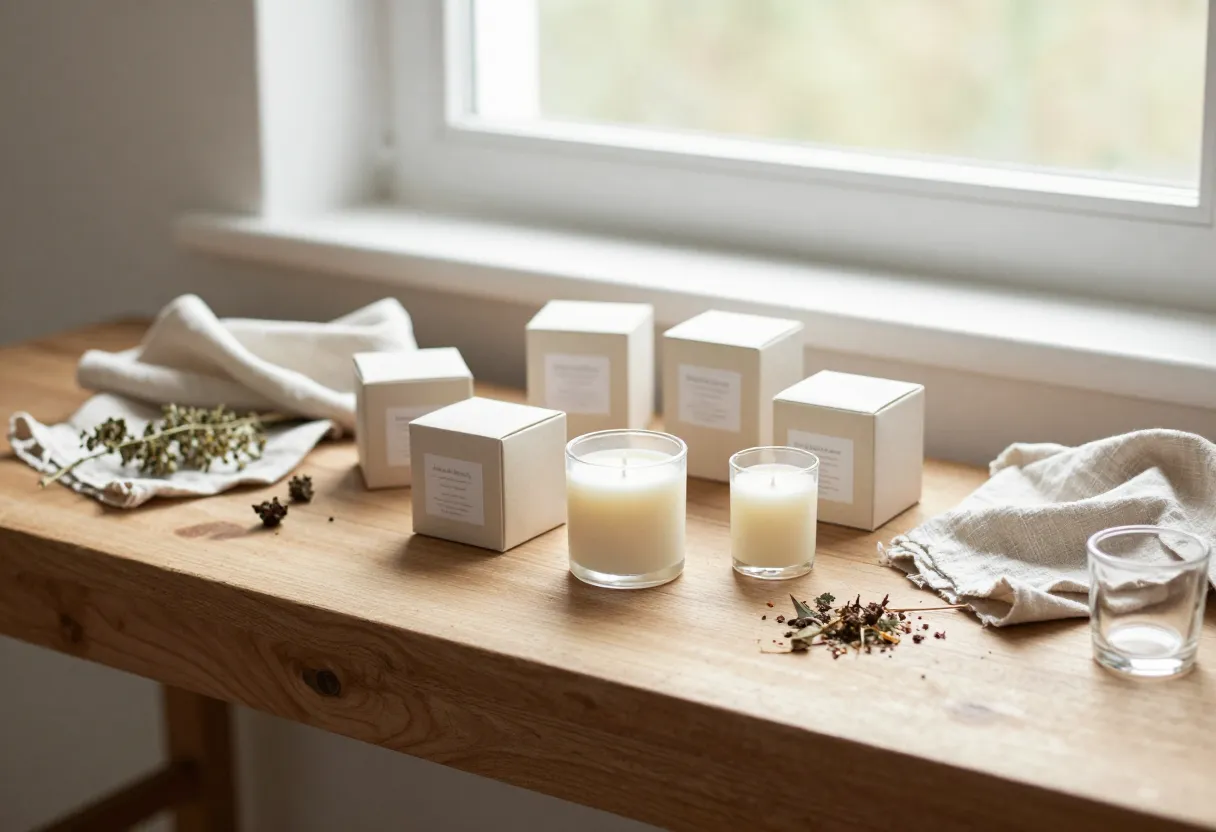
Stop selling candles; start selling moments.
When I first started pouring, I thought my job was simply to make a candle that burned well and smelled good. That’s still true—if your candle doesn’t have a clean melt pool or a steady flame, nothing else matters. But as you move from making batches for yourself to trying to sell them to others, the “why” becomes just as important as the “how.” People aren’t usually looking for 16 ounces of soy wax; they are looking for a way to make their living room feel cozy on a rainy Tuesday or a way to give a friend something that feels thoughtful.
Shifting your focus toward curated experiences means thinking about how these products fit into someone’s life. Instead of selling a single candle, think about what that candle represents. Is it the centerpiece of a quiet morning? Is it the gift for a new homeowner who needs to turn a house into a home? When you group candles into “collections” or bundles based on a theme—like a “Study Session” set or a “Weekend at the Cabin” kit—you are offering a solution to a feeling. It changes the conversation from price-per-ounce to value-provided.
The scent story: Making your wax sound like a place or an emotion.
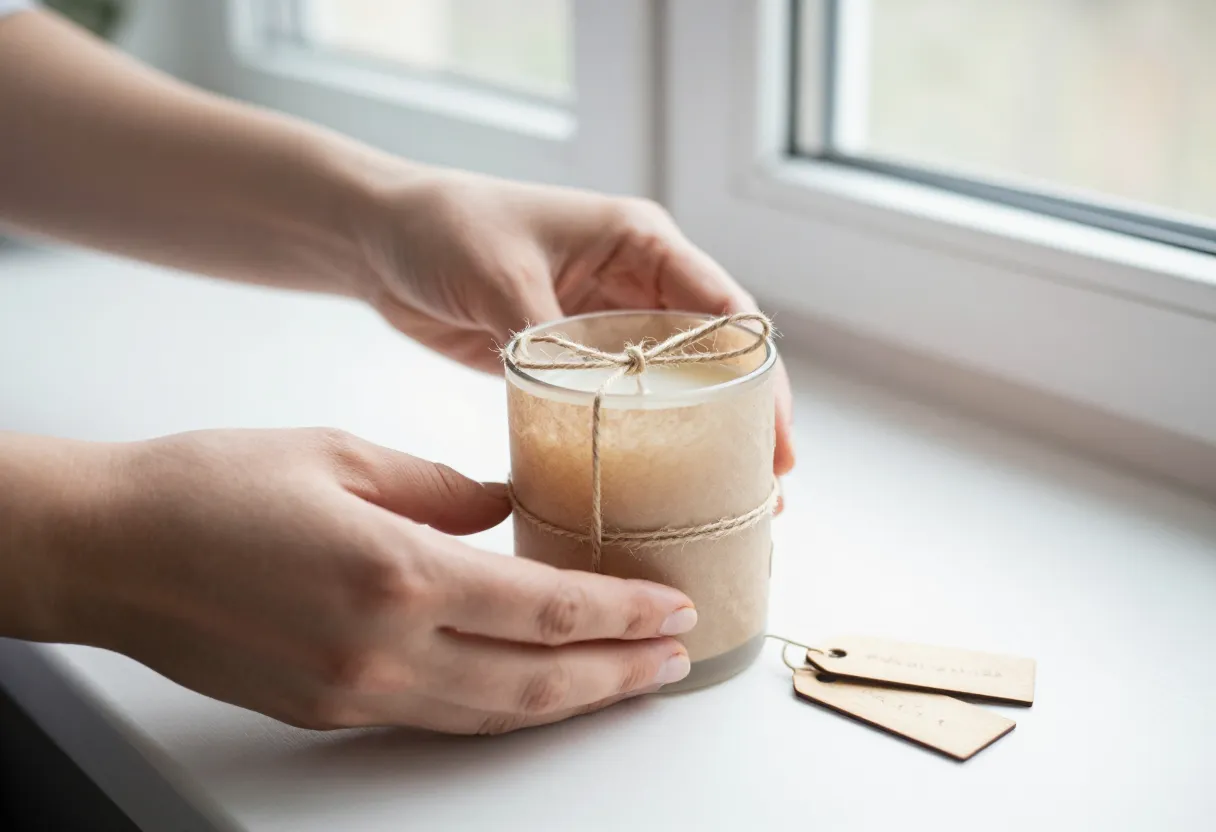
I’ve learned that how you describe a scent can be just as impactful as the fragrance oil itself. A lot of makers get stuck using literal descriptions, like “Vanilla and Spice.” While accurate, it doesn’t tell a story. On my bench, I’ve found that the most successful labels are those that evoke a specific memory or atmosphere. Instead of just describing the notes, try to describe where the scent takes the person.
Think about your fragrance narratives. If you have a woodsy scent, don’t just list “cedar” and “pine.” Describe the crisp air of a morning hike or the smell of a crackling fire in an old cabin. This doesn’t mean being overly flowery with your language; it means being specific. Use your scent-blending-explained guide to understand how different notes interact, and then find the words that match those interactions. Remember that every wax type, wick choice, and fragrance load will behave differently, so always test your batches thoroughly before finalizing a narrative. You want the customer’s experience of the scent to match the story you told them on the label.
How to build out the collection (and make it feel expensive).
One way to increase the perceived value of your work without necessarily spending a fortune on high-end materials is through thoughtful bundling. This is where you pair your candles with complementary items that reinforce the “moment” you are selling. For example, if you’re selling a relaxation bundle, consider including a small bag of herbal tea or a simple matchbox.
When building these collections, I always go back to my pricing-calculator to make sure I’m not cutting into my margins too deeply. You want the gift to feel substantial, but you also need to ensure that your costs for “extras” don’t eat up the profit from the candle itself. It’s about balance. A well-curated collection feels like a complete gift—something someone can buy and hand over without feeling like they forgot an extra item at the store. Whether it’s a set of three candles in different sizes or a single large candle paired with a decorative coaster, grouping items creates a cohesive brand identity that makes your work stand out from a single jar on a shelf.
The final touch: Packaging and presentation.
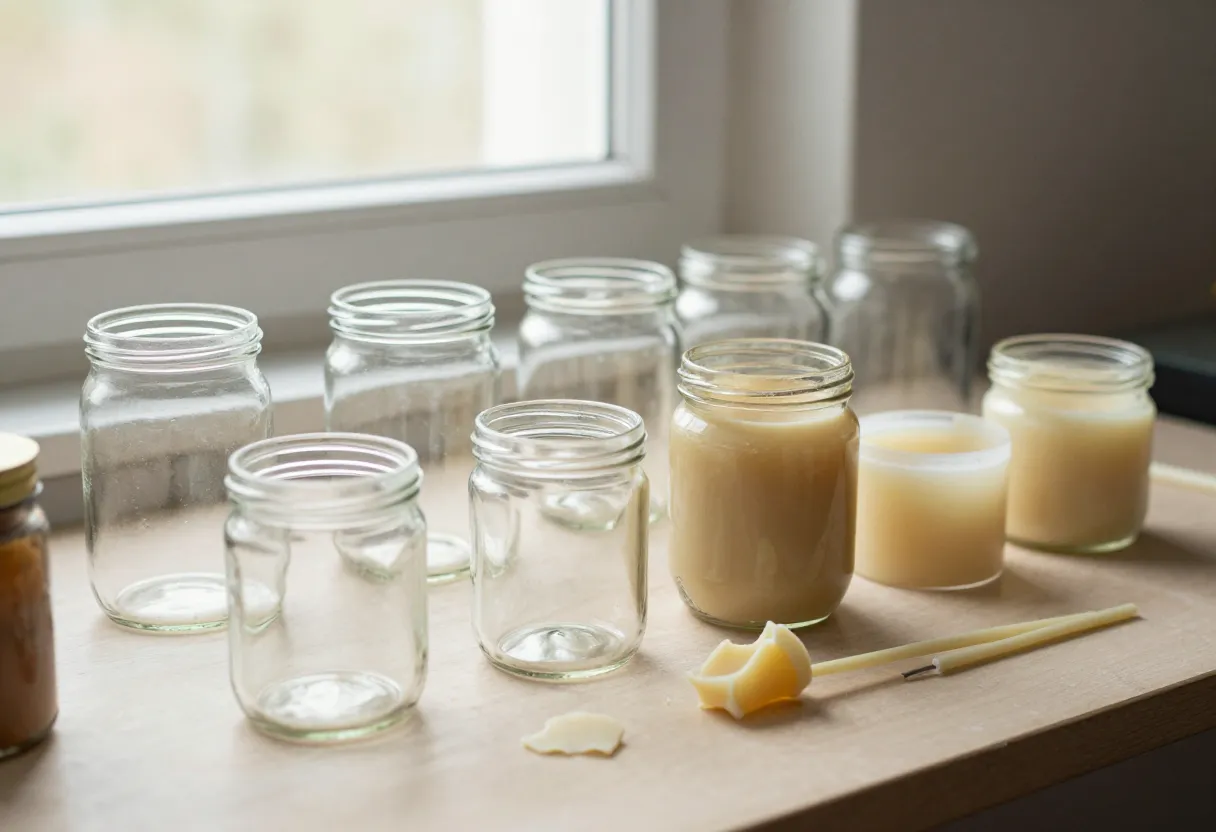
Packaging is where many makers, myself included at times, can get over-complicated. You don’t need custom-molded boxes to make your products look professional. Often, the most effective way to increase value is through “unboxing” details—things like a high-quality tissue paper wrap, a hand-stamped tag, or a simple piece of twine tied around the container. These small touches signal to the customer that you care about the details.
However, there is a practical side to this: packaging must also be functional. A beautiful box is useless if it collapses during shipping and breaks the glass inside. I always prioritize safety and durability first. Use candle-shipping-and-packaging-explained to ensure your items arrive in one piece. Clear, honest communication on your labels regarding care instructions also adds to that professional feel; it shows you are a maker who understands the craft. When someone opens a package and sees organized, intentional presentation, it builds trust in your brand. It tells them that the same level of care went into the pour as did into the box.
To start building your own curated collections, I recommend reviewing my seasonal-candle-planning-explained guide to help organize your themes for the upcoming months.
Inspired by a story from Sunset Magazine.
Get the next issue
Questions or corrections? Send a note. Or read more issues.