

Newsletter October 25, 2026
Making the Product Look Good on a Shelf or Screen
It's not enough to make quality candles; you have to show them off. We cover simple staging tricks that look professional and modern, whether in your shop or on Instagram.
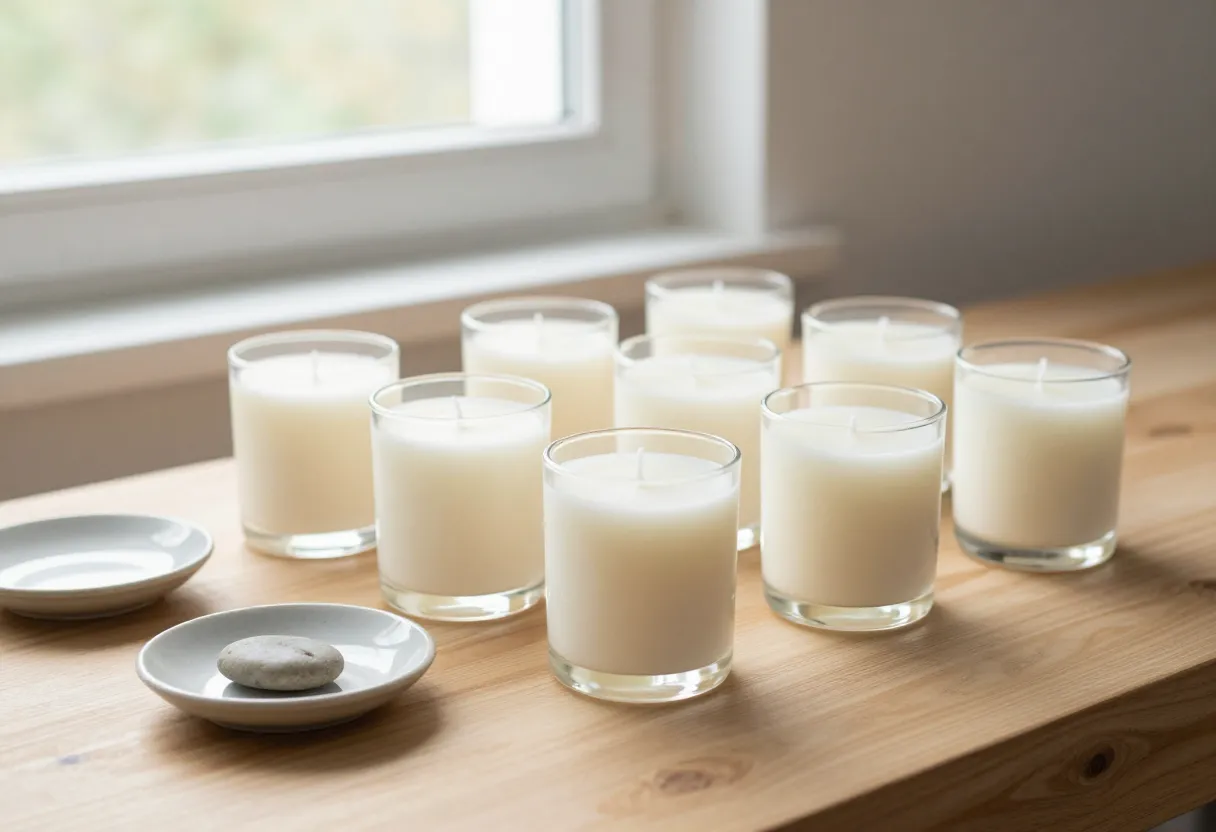
Why staging matters more than you think
When I first started making candles, I spent a lot of time obsessing over the technical side: getting my pour temperatures consistent and ensuring my wick choice resulted in a clean melt pool. Those are the fundamentals that make a good product, but they aren’t what makes someone stop scrolling on their phone or walk into your shop. Staging is how you communicate quality before a customer ever gets to smell the wax.
Think of staging as the visual handshake between you and your customer. If a candle is sitting in a cluttered environment with distracting props, it looks like an afterthought. If it’s presented thoughtfully on a clean surface, it signals that you care about every detail of the craft. Even if your burn tests are perfect—which they should be according to my guide on burn testing—a poor presentation can make your work look amateur. You want your customer to see a finished product, not just a hobby project sitting on a workbench.
The ‘Blank Canvas’ approach: Less is truly more
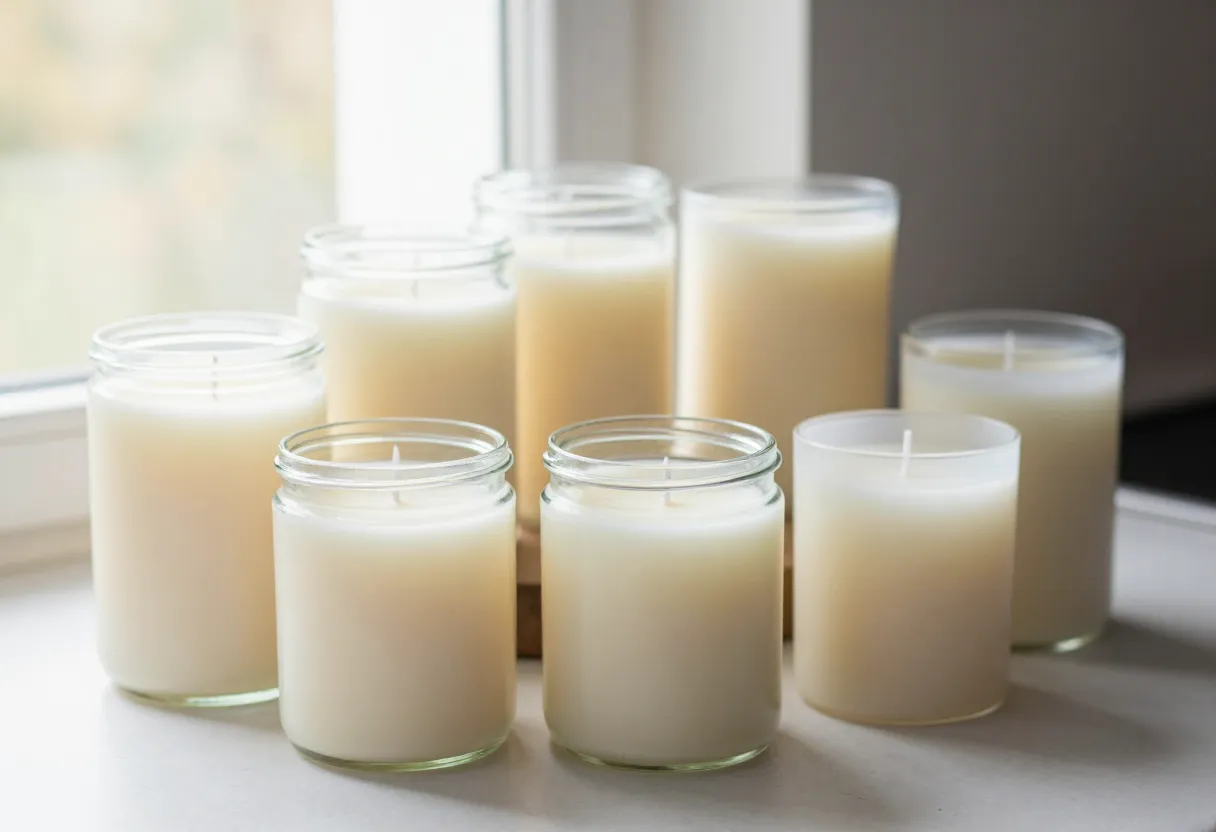
One of the biggest mistakes I see makers make is trying to do too much at once. They think they need every prop imaginable—fake flowers, stacks of books, and three different types of decorative trays—all in one shot. In my experience, this usually backfires because it creates visual noise that competes with your candle.
The “blank canvas” approach relies on minimalism. You want to choose a background and props that provide context without stealing the spotlight. This means sticking to neutral tones like wood grains, stone textures, or linen fabrics. These materials are functional; they ground the product in a real-world setting while letting the color of your wax and the design of your label do the talking. When you group candles together, use those props as anchors rather than decorations. A single piece of driftwood or a simple ceramic tray can hold three different scents without making the display feel crowded.
Avoiding common staging pitfalls on the workbench or shelf
It is easy to get carried away when you are looking at your own work. Because you spend so much time around these candles, it’s hard to see where “helpful” ends and “distracting” begins. I have seen many makers create arrangements that look great in person but fall apart on a screen because the props are too busy or mismatched.
Here are a few things to watch out for:
- Over-accessorizing: If you can’t tell what the product is within two seconds of looking at the photo, there is too much going on.
- Mismatched heights: Unless it’s an intentional design choice, having candles of wildly different sizes scattered randomly can look messy rather than curated.
- Competing colors: If your props are a bright primary color and your candle label is also vibrant, they will fight for the viewer’s attention.
Keep your display clean. Every item in that frame should have a reason to be there. If it doesn’t help tell the story of the scent or the brand, take it out of the shot.
How to photograph a candle set that looks real (and effortless)
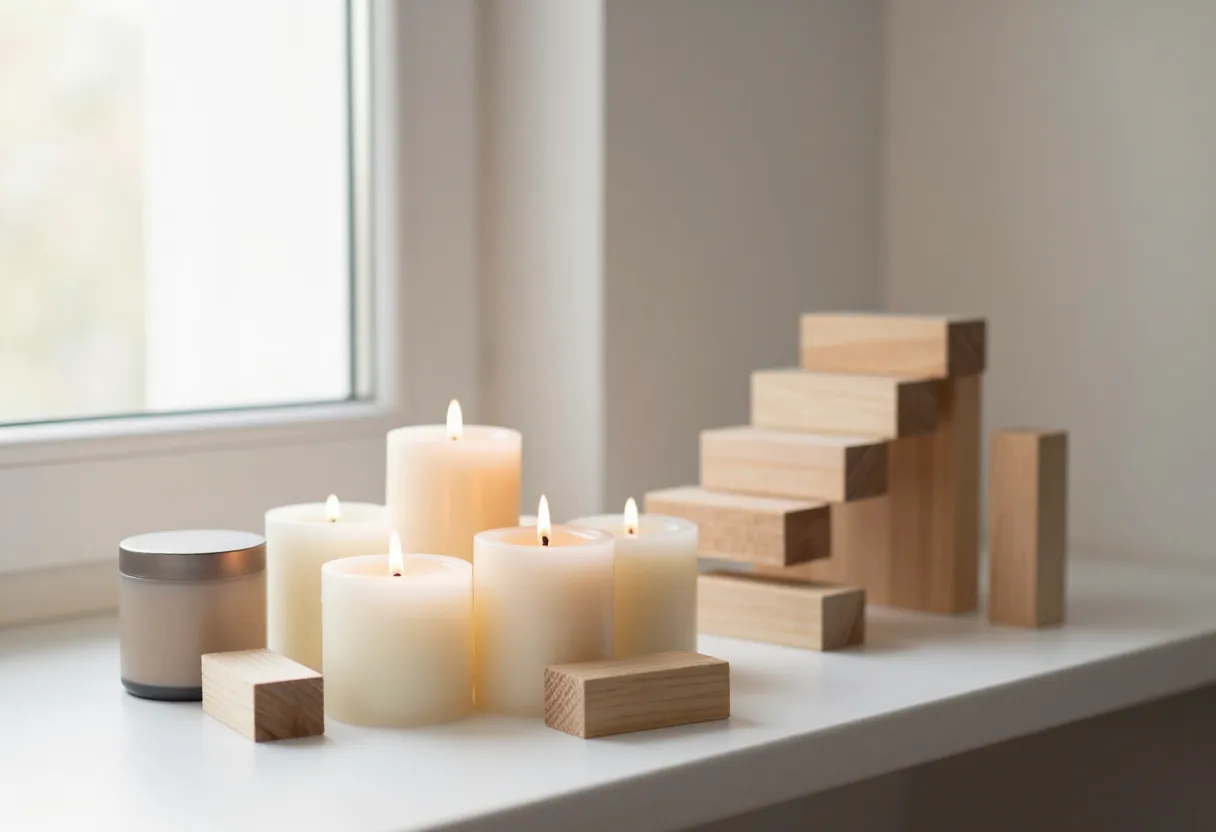
You don’t need a professional studio or high-end lighting rigs to get a clean product shot. Most of my best results come from using what I already have on hand. The goal is to make the arrangement look like it belongs in someone’s home, not a laboratory.
Lighting and Setup
Start by finding a space with plenty of natural, indirect light—like near a large window during the day. Avoid direct sunlight, as it creates harsh shadows that can wash out the details of your label.
The Arrangement
When photographing a set, try these simple steps:
- The Rule of Three: Grouping three candles often looks more balanced than two or four. You can stagger them in height or slightly overlap them to create depth.
- Create Depth: Don’t line everything up in a straight row facing the camera. Place one candle slightly forward and another further back to give the image a sense of space.
- Keep it clean: Make sure there are no stray wax drips or dust on the containers before you snap the photo.
For more specific tips, check out my guide on candle photography.
Grouping candles in your shop: The versatility rule
When you move from staging a single product for an online listing to arranging products in a physical space or a dedicated “shop” area, the goal shifts slightly. You want to help the customer imagine how that candle fits into their daily routine. This is what I call the versatility rule.
Instead of just grouping candles by scent family (like all the florals together), try grouping them by use case. This helps a customer realize they might need more than one. For example:
- The Bathroom Vignette: Group smaller jars or tin candles with clean, crisp props like rolled towels or a simple soap dish.
- The Living Room Display: Pair larger vessels with “cozy” elements like a heavy knit throw or a wooden tray to suggest a relaxing evening environment.
By showing the candle in different contexts, you aren’t just selling a scent; you are selling an experience of how that candle functions in their home. For more on the business side of this, see my guide on selling candles.
If you want to start refining your own labels and branding for these displays, check out our label builder tool or visit our shop for inspiration.
Inspired by a story from House Beautiful.
Get the next issue
Questions or corrections? Send a note. Or read more issues.