

Guides Selling
Selling Candles: Pricing, Labels, Photos and Shipping
How to price a handmade candle, label it, photograph it, ship it safely and run your shop, with a worked pricing example and a launch checklist.
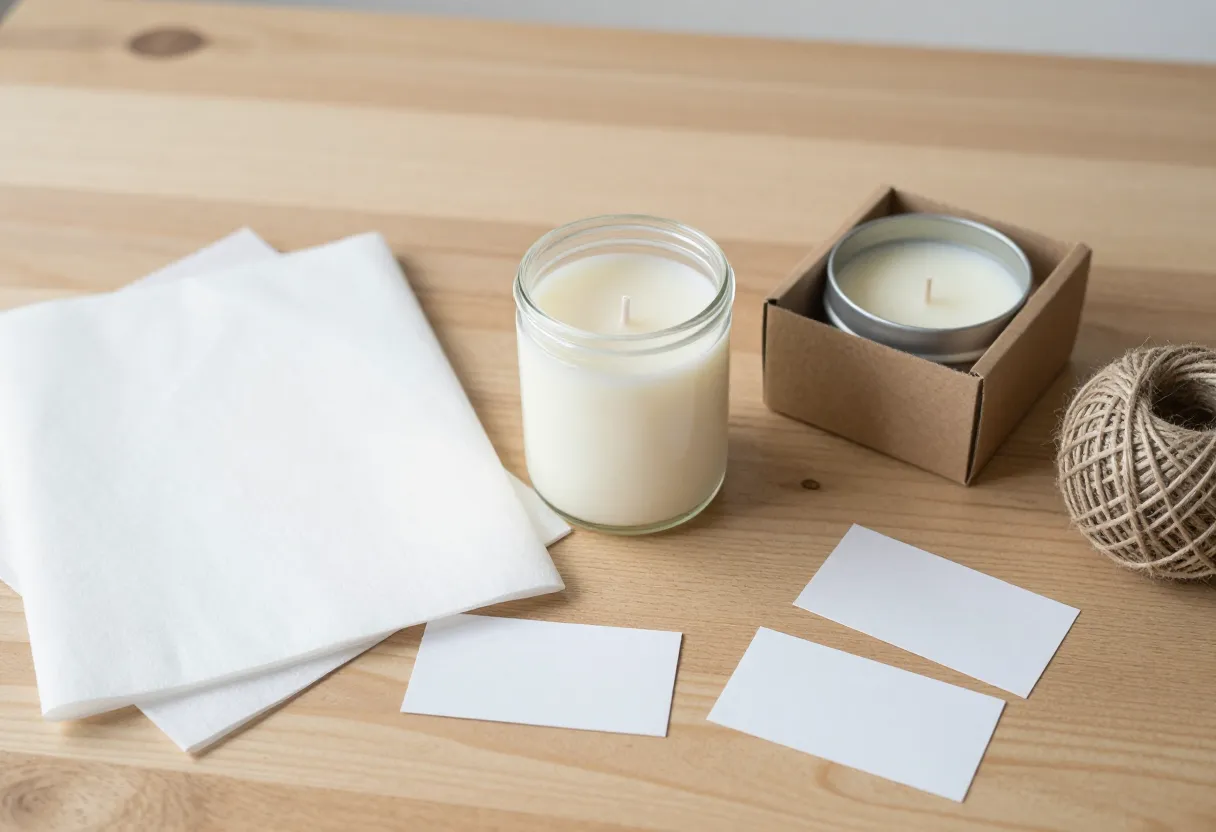
Making a good candle and selling one are different skills. A candle that burns beautifully can still lose money, sit unseen in a listing with dim photos, arrive cracked in the mail, or leave you exposed because it didn’t have the right warnings. Selling well is mostly about being careful with numbers, safety and presentation, and doing the unglamorous parts consistently.
This guide covers pricing, labeling, photography, listings, shipping and the business basics around selling handmade candles. It assumes your candles are already tested and safe, so read Candle Safety and Candle Troubleshooting first.
Before you sell anything
Don’t list a candle until it has earned it.
- Test every recipe in the real container, burned all the way down, with notes. See the burn-test method in Your First Candle.
- Make every candle the same way. Record the recipe, so a customer’s second candle matches their first.
- Cure fully before shipping. A candle sold before it has cured won’t smell the way you intended.
- Decide on a small range to start. A few well-tested scents in one or two containers is better than twenty untested ones.
Know your costs
You can’t price a candle until you know what it costs you. Count everything, including your time.
| Cost | What to count |
|---|---|
| Wax | Weight used per candle, times the price per pound or kilogram |
| Fragrance and dye | Weight used, times its price, and a little extra for waste |
| Wick and wick sticker | Per-candle cost |
| Container and lid | Per-candle cost, including any shipping you paid to receive it |
| Label and packaging | Labels, tissue, box, tape, inserts, thank-you card |
| Your time | Making, cleaning, photographing, listing, packing, customer service |
| Fees | Marketplace listing, sales and payment-processing fees |
| Shipping supplies | Padding, mailers, labels |
Weigh your wax and fragrance on the scale, and write the real numbers on your recipe card. Guessing is the easiest way to lose money slowly.
Price your candle
A simple method: work out your cost, then price so that the cost, the fees and your profit all fit inside the selling price.
Price = Cost ÷ (1 − fee share − profit share)
Worked example. These numbers are for illustration only. Replace them with your real costs and your marketplace’s current fees.
| Item | Amount |
|---|---|
| Wax, fragrance and wick | $1.45 |
| Container | $1.50 |
| Label and packaging | $1.25 |
| Materials subtotal | $4.20 |
| Your time (20 minutes at $15 per hour) | $5.00 |
| Total cost | $9.20 |
| Example fee share | 12% |
| Example profit target | 25% |
| Price = $9.20 ÷ (1 − 0.12 − 0.25) | about $14.60 |
Shipping is usually priced separately, or built into the price, and shouldn’t come out of your profit.
A few pricing habits worth having:
- Pay yourself. If your time is free, your candles are really a hobby that costs you money.
- Check the market, but don’t just match the cheapest. Compare similar quality, size and presentation.
- Review your prices when your costs change. Wax, containers and shipping all move.
- Wholesale pricing is normally lower than retail, so make sure the numbers still work before you agree to it.
Label every candle
Labels build trust and protect you and your customer.
- Name and contents. The candle name, scent, and the wax and weight, so customers know what they bought.
- Burn instructions and warnings. Trim the wick to about ¼ inch, never leave a burning candle unattended, keep it away from flammable items and children and pets, burn on a heat-safe surface, don’t burn more than about four hours at a time, and stop when about ½ inch of wax remains.
- Your brand and contact details, and a batch number or date so you can trace a problem.
- Follow the rules that apply to you. A standard for candle fire-safety labels exists (look up ASTM F2058), and some places require specific warnings or net-quantity statements. The Label & Warning Builder drafts the front label and warning text and lists what to check.
Photograph your candles
Photos sell candles. Customers can’t smell or hold them, so the picture has to do the work. For a full walkthrough of light, setups and shots, see Candle Photography.

- Use real photos of your real candles. Listings should show exactly what the customer will get.
- Shoot in natural light, near a window, and avoid harsh overhead light and direct sun.
- Keep the background simple so the candle is the focus. Linen, wood, or a plain surface work well.
- Show the details: the container, the label, the wick, the top of the wax, and something for scale.
- Add a lit shot or two, because a glowing candle sells the mood.
- Stay consistent across a collection, with the same lighting and background, so your shop looks like one brand.
- Show the candle in a room to give a sense of size and style.
Write a listing that works
- A clear title that says what it is, the scent, and the size or container.
- A description that covers the scent notes, the wax, burn time estimate you’ve actually tested, size, container, and care instructions.
- Honest claims. Don’t claim a burn time or a “non-toxic” label you can’t back up.
- Searchable words. Think about how a customer would search, such as “soy candle” or “hand-poured candle,” and use those words naturally.
- Variations for scents or sizes, kept simple at first.
- A note about curing and shipping time, so customers know what to expect.
Pack and ship safely
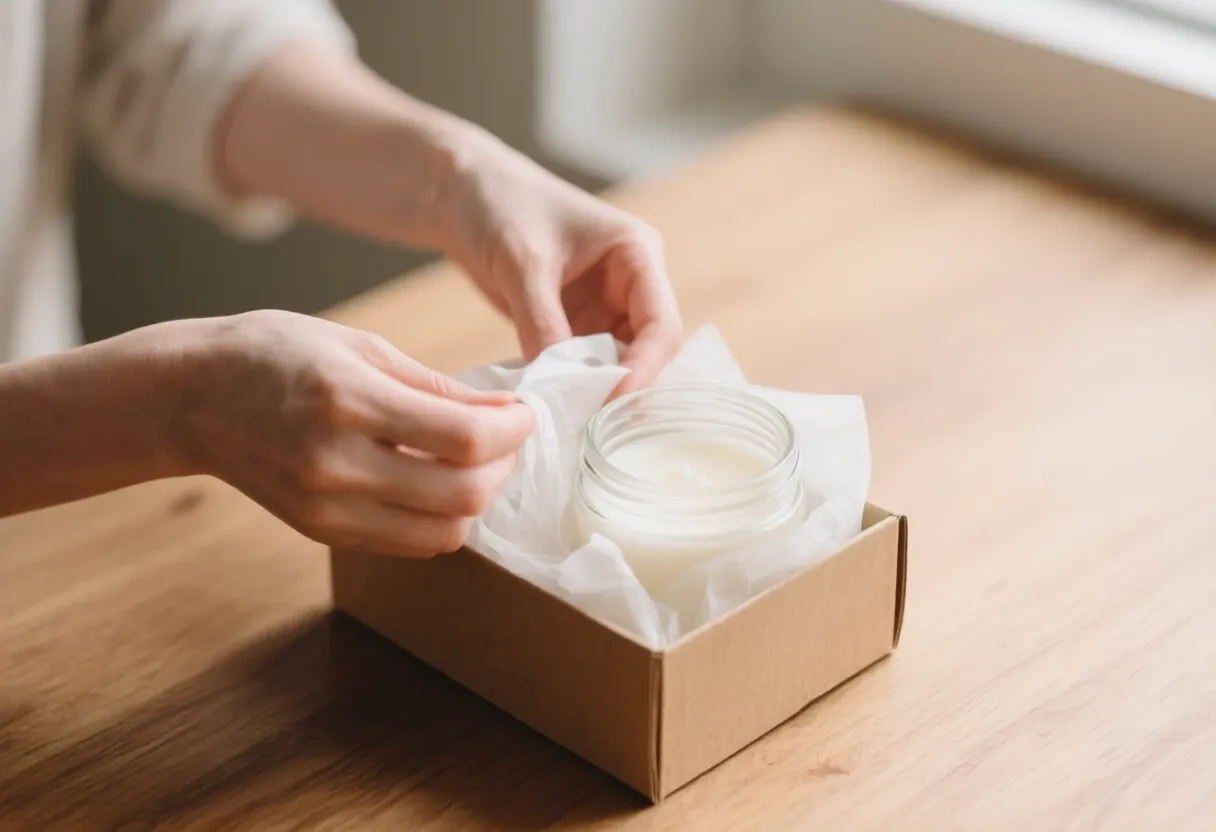
Shipping is where handmade candles most often get damaged. Plan for it.
- Wrap the jar in tissue or bubble wrap, and fill empty space so it can’t move.
- Use a sturdy box that leaves cushioning on every side.
- Protect against heat. Soft waxes can deform or melt in hot vehicles, so consider the season and the route, especially in summer.
- Include the care and burn instructions in the package.
- Weigh and measure the packed box accurately so your shipping charges are right.
- Keep your shipping supplies in one place and your process simple, so packing doesn’t eat your profit.
The business basics
These vary a lot by place, so check the rules where you live.
- Business registration and licenses. Some places require them for a business that sells products.
- Sales tax and income tax. Understand what you must collect and report.
- Insurance. Many makers carry product liability insurance, and some shops or markets require it.
- Records. Keep your batch records, your recipes and your test notes. If a customer reports a problem, you can trace it.
- Marketplace rules. Read the policies for the marketplace you sell on, including its rules for handmade items, listings and customer service.
Where to sell
- Your Etsy shop. Finished Flint & Wax candles are sold at pixelsandchisels.etsy.com, where checkout, shipping and returns are handled by Etsy.
- Craft fairs and markets let customers smell your candles and give you instant feedback.
- Wholesale to local shops can build volume, but at lower margins.
- Your own site can build your brand, though you’ll need a way to take payments and handle shipping.
Launch checklist
Common questions
How much should I charge for a candle?
Work out your real cost, including your time, then add your fees and a profit margin. Use the formula above, and check it against what similar candles sell for.
Do I need insurance to sell candles?
Not everywhere, but many makers carry product liability insurance and some shops and markets require it. Ask an insurance professional about what suits you.
How many scents should I start with?
A small, well-tested range. Three to five scents in one or two container types is plenty to begin with.
Should I use my own photos or generated images in listings?
Use real photos of the actual candles you sell, so customers get what they see.
How long should I cure candles before selling?
At least the full cure time your wax calls for. For soy, that’s usually one to two weeks.
What if a customer reports a problem?
Respond quickly and kindly, ask for details, and check your batch records. A fast fix builds more loyalty than a flawless product ever could.
Where to go next
Photography has its own guide: Candle Photography. The tools and calculators turn much of this into quick numbers for your own recipes.
Sell the candle you’d be proud to put in your own home.
Questions or corrections? Send a note. Ready for the next step?Browse more guides.