

Newsletter November 8, 2026
Selling the 'Vibe': Crafting Candles with History and Character
We're looking at how real-world architectural trends can guide your scent profiles and container choices. It’s about making sure every candle feels like it has history.

It’s not just a smell; it’s an atmosphere.
When you’re standing at your workbench looking at a finished candle, it’s easy to think that what you are selling is simply a fragrance profile—a specific percentage of essential oils or fragrance oils mixed into wax. But for the person buying that candle from you, they aren’t just purchasing a scent; they are trying to buy a feeling or a memory. They want to recreate a moment in their home.
In my experience, some of the most successful small-batch makers move away from selling “scents” and start selling “atmospheres.” Instead of telling a customer that your candle contains notes of cedar and amber, you are describing a quiet evening by a fireplace or the feeling of walking through an old library. You want to provide them with a narrative they can inhabit. When you shift your focus from the chemistry of the blend to the story it tells, you stop competing on price alone and start offering something that feels personal and curated.
What does ‘historical character’ mean for your scent?
If you want to create candles that feel like they belong in a well-loved home with history, you have to move beyond simple, one-dimensional fragrance profiles. A candle called “Old House” shouldn’t just smell like lavender; it needs the complexity of materials that have aged over time. Think about what creates character in an old building: the faint scent of leather chairs, the lingering aroma of wood polish on a heavy desk, or even the slightly dusty note of sun-warmed paper.
To achieve this, you need to think in layers. You aren’t just looking for “smell,” you are looking for texture. This means moving toward composite scents that mimic these aged materials. I’ve found that incorporating notes like musk, tobacco, or heavy woods can ground a fragrance and give it weight. It is about creating a scent that feels lived-in rather than brand new. If the scent feels too “perfumey” or sharp, it might lose that sense of history you are trying to convey.
The biggest mistake: Being too literal.
One of the most common mistakes I see makers make when trying to create a “historical” or “vintage” line is being far too literal with the naming and the scent profile. If you name a candle “The Victorian Study,” but it smells exactly like an overwhelming amount of rose petals, there is a disconnect between the promise and the product. The fragrance needs depth—it must feel lived-in, not like a museum exhibit where everything is preserved in glass.
A successful “historical” scent should have a bit of grit to it. It shouldn’t be perfectly clean or sterile. You want the customer to feel the weight of time. This means balancing your top notes so they don’t overpower the base materials that provide that sense of history. If you find your blend is too sweet, try pulling back on the florals and increasing the “earthy” components like oakmoss or patchouli. The goal is for the customer to take a breath and feel like they’ve stepped into a room with a story.
Building your narrative using advanced blending

To move from a basic scent to a complex narrative, you need to understand how different categories of notes interact on your bench. I always recommend breaking down your blends into three distinct roles: fixatives, base materials (the character), and top accents (the first impression).
The Structure of the Blend
- Fixatives: These are the heavy hitters that hold the scent in the wax and provide longevity. They often form the “backbone” of a historical profile—think resins or deep woods.
- Base Materials: This is where you build your specific story. If you want a “Coastal Manor” vibe, this is where you’d focus on sea salt notes mixed with weathered wood.
- Top Accents: These are the fleeting notes that hit the nose first. They should be used sparingly to provide a spark of interest without overwhelming the character of the base.
For those looking to refine their process, I recommend using my scent blend tool to see how different components interact. By adjusting these ratios one at a time—a practice I swear by for consistency—you can slowly build a profile that feels intentional rather than accidental.
The container and label need to close the loop.
You can have the most perfectly balanced “historical” fragrance in the world, but if it comes in a bright, neon-colored plastic jar with a glossy, modern font, you’ve broken the spell for the customer. Every physical element of your product must support the story you’re trying to tell through the scent.
The container is your first point of contact. A heavy glass jar or a matte finish can suggest durability and age better than a thin, lightweight vessel. The label style should follow suit; think about the texture of the paper or the choice of typography. If you want that “well-loved home” feel, avoid anything that looks like it came off a mass production line. You want the customer to feel like they’ve found something special and curated. For more on choosing materials, see my guides on candle containers and candle labels.
Next steps: From bench notes to market pitch.
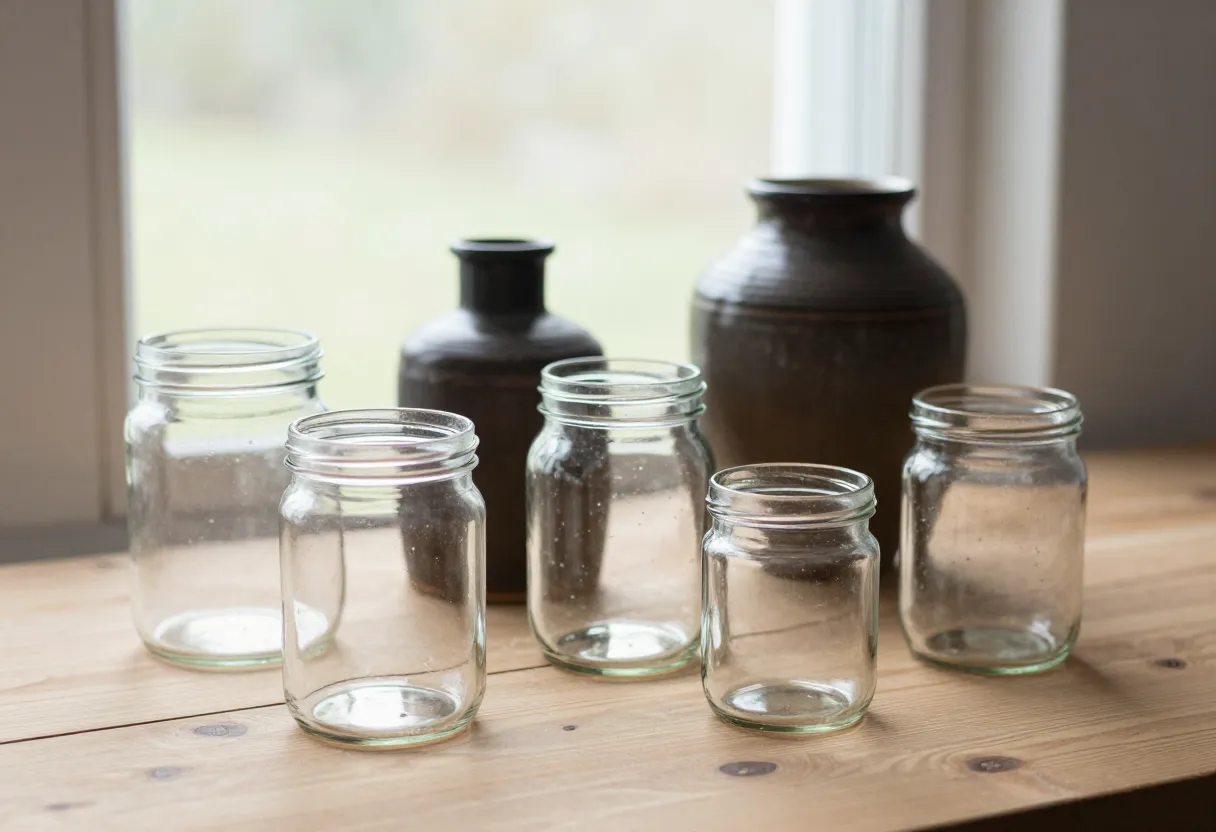
Developing a themed collection is an exercise in discipline. It requires you to move from making individual “good” candles to creating a cohesive brand experience. My advice for your next step is to pick one specific theme—like a regional history or a particular architectural style—and develop three variations of it.
Your Action Plan
- Document the Batch: Create detailed batch notes for each scent in the collection, noting exactly how you balanced the “character” notes versus the top accents.
- Test and Refine: Use my burn log to ensure that as you add complex materials like resins or heavy woods, your wick performance remains consistent.
- Define the Story: Write down three sentences describing the “vibe” of this collection. This will be the foundation for your marketing and shop descriptions.
Once you have a tested, reliable set of candles that tell a cohesive story, you can begin preparing them for sale by following my starting a candle business guide.
Inspired by a story from House Beautiful.
Get the next issue
Questions or corrections? Send a note. Or read more issues.