

Newsletter October 16, 2026
Beyond Generic Autumn: Designing Regional Candle Collections
Generic seasonal scents are tough. Learn how to pull inspiration from specific places—like California fall festivals—to build collections that feel real and unique.
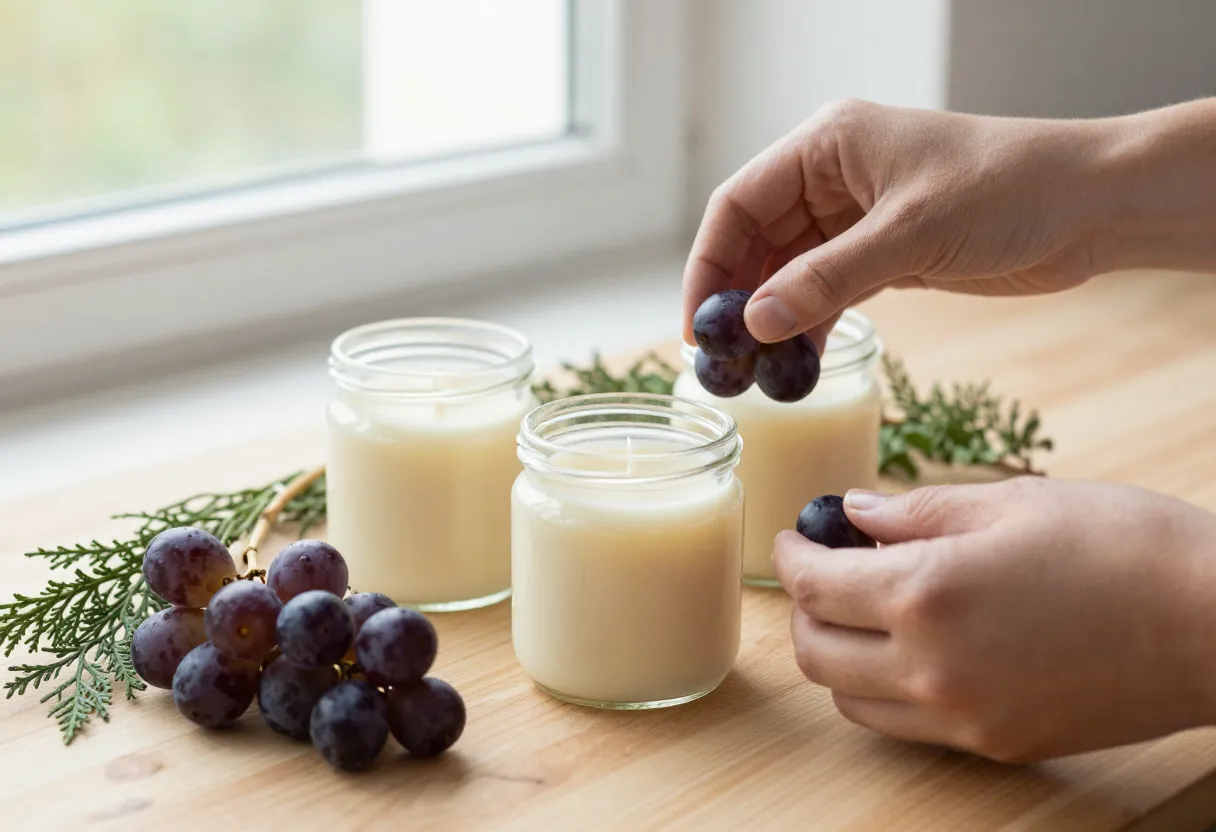
Tired of generic ‘Autumn Spice’ scents?
When you first start pouring, it is easy to fall into the trap of creating “safe” products. In my experience, many makers begin with a broad interpretation of autumn—think heavy cinnamon, pumpkin, and basic clove notes. While these are staples for a reason, they can make it difficult for your brand to stand out in a crowded market. When every maker on your local shelf is selling a variation of “Autumn Spice,” the customer has no reason to choose yours specifically over another’s.
To move past this, I suggest narrowing your focus. Instead of trying to capture the entire season at once, try capturing a specific moment or place. Rather than a generic spice blend, think about what a local county fair smells like in October, or the specific crispness of air in a mountain orchard. Specificity creates a hook for your customer. It takes more thought during the formulation stage, but it builds a much stronger connection with people looking for something unique.
If you are ready to plan out a collection that stands out from the generic crowd, check out /guides/seasonal-candle-planning-explained/.
Mapping an experience onto scent and sight

Once you have identified a specific theme—like a local harvest festival or a coastal fall morning—you have to translate that feeling into tangible components for your candle. This is where the work happens at the bench. If you are aiming for “coastal autumn,” you might move away from heavy spices and toward notes of sea salt, driftwood, and dried grass.
Visual elements matter just as much as the scent profile. Consider how your choice of dye or wax color reflects that experience. A coastal scene might call for muted, earthy tones rather than bright oranges. When designing these components, don’t try to do it all at once. Start by identifying three core notes that define your chosen location and build your fragrance blend around those pillars. This keeps the project manageable while ensuring the final product feels intentional.
To help you work through the specifics of building a balanced scent profile for your unique themes, see /guides/candle-fragrance-explained/.
The challenge of collection cohesion: Making the scents talk to each other
A common mistake I see when makers move from single products to collections is a lack of unity between the items. If you have three different candles in your “Fall Collection,” they should feel like they belong in the same house. They don’t have to smell identical, but they should share a common thread—a consistent base note or a similar intensity level.
For example, if one candle is a heavy, musk-heavy wood scent and the next is a light, airy citrus-fall blend, they might feel like two different products rather than a cohesive set. You want to find a balance where each scent tells its own story but shares a common “vocabulary.” This often means choosing a consistent base note across your entire line or ensuring that all scents in the collection share a similar primary category (like earthy, spicy, or fruity).
When you are refining these blends and trying to ensure they work together as a cohesive set, use /tools/scent-blend/.
Batching out your story: From concept to finished product
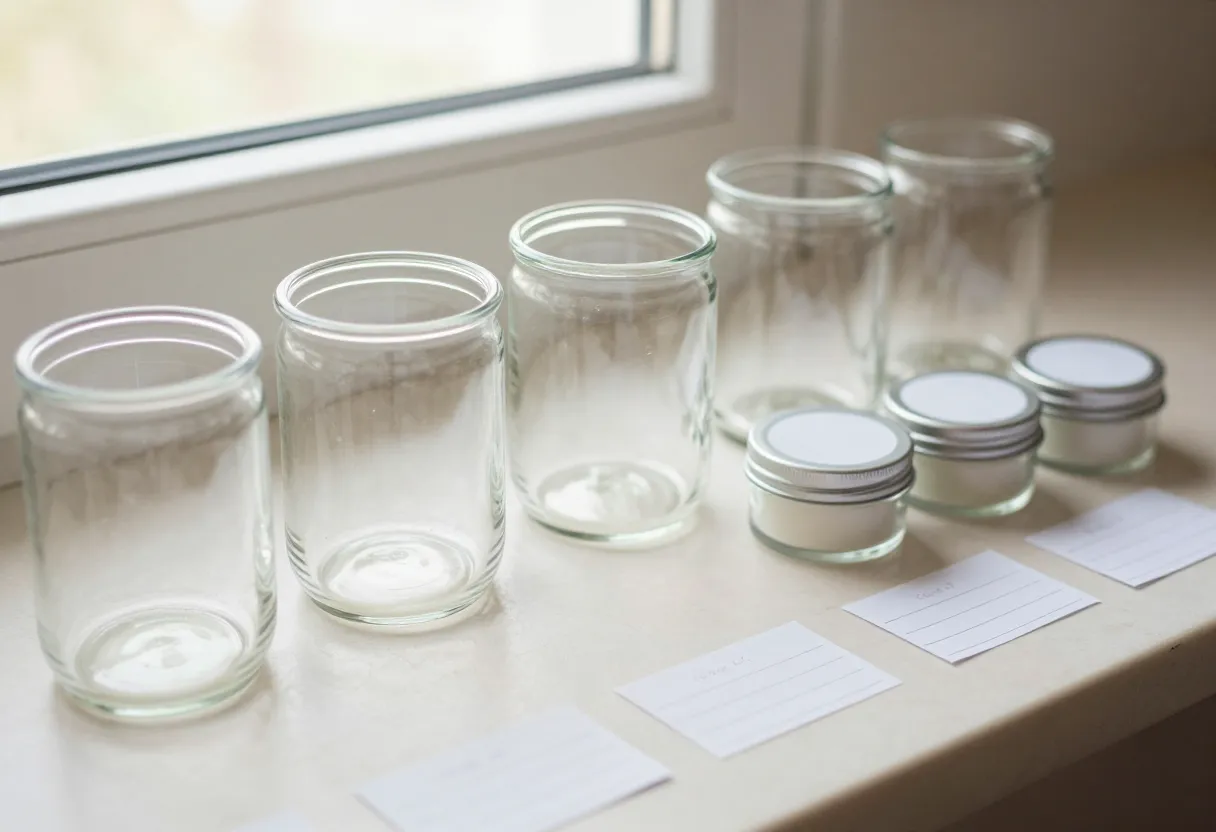
Moving from an idea in your head to several distinct products ready for sale requires a disciplined approach to production. This is where the “work” of candle making becomes very clear. You need to move through the process of formulating, testing, and batching each scent systematically. Because you are creating multiple scents for one collection, consistency across all batches is paramount.
When it comes time to produce your collection, use a methodical approach: calculate your fragrance loads accurately based on your specific wax’s requirements (always check your wax supplier’s data sheet first) and keep detailed batch notes for every scent. This ensures that the “Autumn Orchard” candle you make today smells exactly like the one you pour next month. Using tools to help with these calculations can take a lot of guesswork out of the preparation phase, allowing you to focus on the quality of the pour.
To manage the numbers and ensure your production is consistent across different products, use /tools/fragrance-calculator/ or /tools/batch-scaler/.
Selling the trip, not just the jar
The final step is how you present these products to your customers. If you have done the work to create a specific, regional experience in your wax, your marketing should reflect that effort. You aren’t just selling a container of scented oil; you are selling the memory of that orchard or the feeling of that coastline.
Your labels and product descriptions should tell that story without being overly complicated. Instead of listing every individual note like an ingredient list, use descriptive language that puts the customer in that specific place. Your photography also plays a major role here—images that evoke the season and location will do more work for you than any amount of “marketing” copy ever could. By focusing on the experience rather than just the product features, you give your customers a reason to choose your brand over a generic alternative.
To help with the visual side of presenting your story, check out /guides/candle-photography-explained/ or learn more about /guides/selling-candles-explained/.
Inspired by a story from Sunset Magazine.
Get the next issue
Questions or corrections? Send a note. Or read more issues.