

Guides Workshop
Candle Workshop Setup and Small-Batch Production
Set up a safe, organized candle workspace, choose equipment, plan a batch day, scale a recipe, keep batch records and make every candle the same as the last.
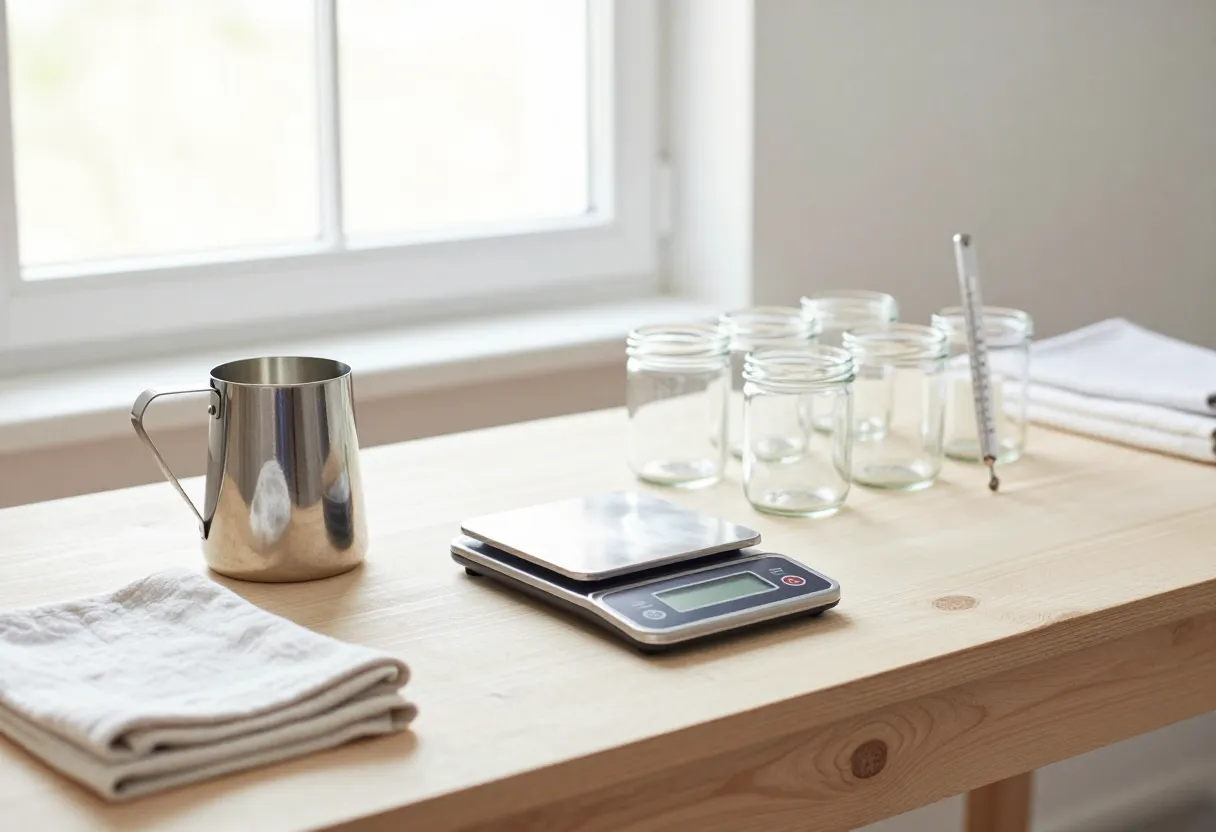
Your first candles probably came out of a corner of the kitchen. That works for a handful of candles, and it stops working the day you want to make twenty of the same candle, and have the twentieth smell, burn and look like the first. Candle making at that scale is less about talent and more about a setup that makes the same thing happen every time.
This guide covers the step from hobby to small-batch production: how to lay out a workspace, what equipment is worth having, how to run a batch day, how to scale a recipe without breaking it, and how to keep records so the result is repeatable. It assumes you have made candles before. If not, start with Your First Candle, and read Candle Safety before you scale up, because a bigger batch means more hot wax and more at stake.
Choose and lay out the space
The right space is not a big one. It is one where you can work calmly, with everything you need within reach, and where a spill or a mistake does little harm.
- Ventilation and light. Work somewhere with fresh air and good light, so you can see the wax and the wick clearly.
- A flat, stable, protected surface. Wax spills are hard to clean and easy to slip on. Cover surfaces and floors you care about.
- Keep water away from hot wax. Water that drips into hot wax can spatter violently.
- Power. Do not overload an outlet or a cord. If you run a wax melter, a heat gun and a scale together, check that the circuit can take it.
- Keep it separate from food. Use tools and pots for candles only. Do not use equipment for food again after it has been used for wax and fragrance oil.
- Keep children and pets out of the room while you work.
- Safety equipment in reach. A fire extinguisher, a lid that fits your melting pot, a first aid kit and a phone. See Candle Safety.
Arrange it in the order of the work
A common mistake is to scatter supplies around the room and walk back and forth with hot wax. Arrange your space as zones, in the order a batch moves through them. Walking the batch from left to right is easier, and safer, than carrying it around.
If you only have one table, you can still do this. Mark the zones with tape, and clear each one as you finish with it.
Equipment worth having
You do not need everything on day one. Buy what removes a source of error.
| Item | Why it matters | When to upgrade |
|---|---|---|
| A good scale | Weighing is the heart of repeatability. Weigh wax, and weigh fragrance in small units | When you start to make batches, or when you work with small amounts of fragrance |
| A melting pot or pitcher with a spout and a lid | Clean pours, and a lid to smother a fire | When batches outgrow a single pitcher |
| A double boiler or a melter made for wax | Gentle, even heat. Never heat wax directly over a flame | When you melt large amounts or batch often |
| A thermometer you trust | Pour and fragrance temperatures come from your supplier. The thermometer is how you follow them | When you need to read it faster, or the old one drifts |
| Wick centering tools | A centered wick burns evenly | When you make more than a few at a time |
| A heat gun | Smoothing the top and fixing small flaws | When surface finish matters to your customers |
| Shelving and covered bins | Space to cure and store without the candles being knocked | When the cure shelf fills up |
| Labels, a marker and a notebook | Records and traceability | From day one |
| A fire extinguisher, gloves and a first aid kit | Safety | From day one |
Check your thermometer and your scale from time to time. A scale that drifts, or a thermometer that is off, quietly ruins a recipe, and you can chase the wrong cause for weeks. Weigh something of known weight to check the scale. Check the thermometer against a second one.
Plan a batch day
A good batch day is mostly preparation. By the time the wax is hot, everything else should be ready.
- Read the recipe and the batch sheet. Check you have enough of everything, with some to spare.
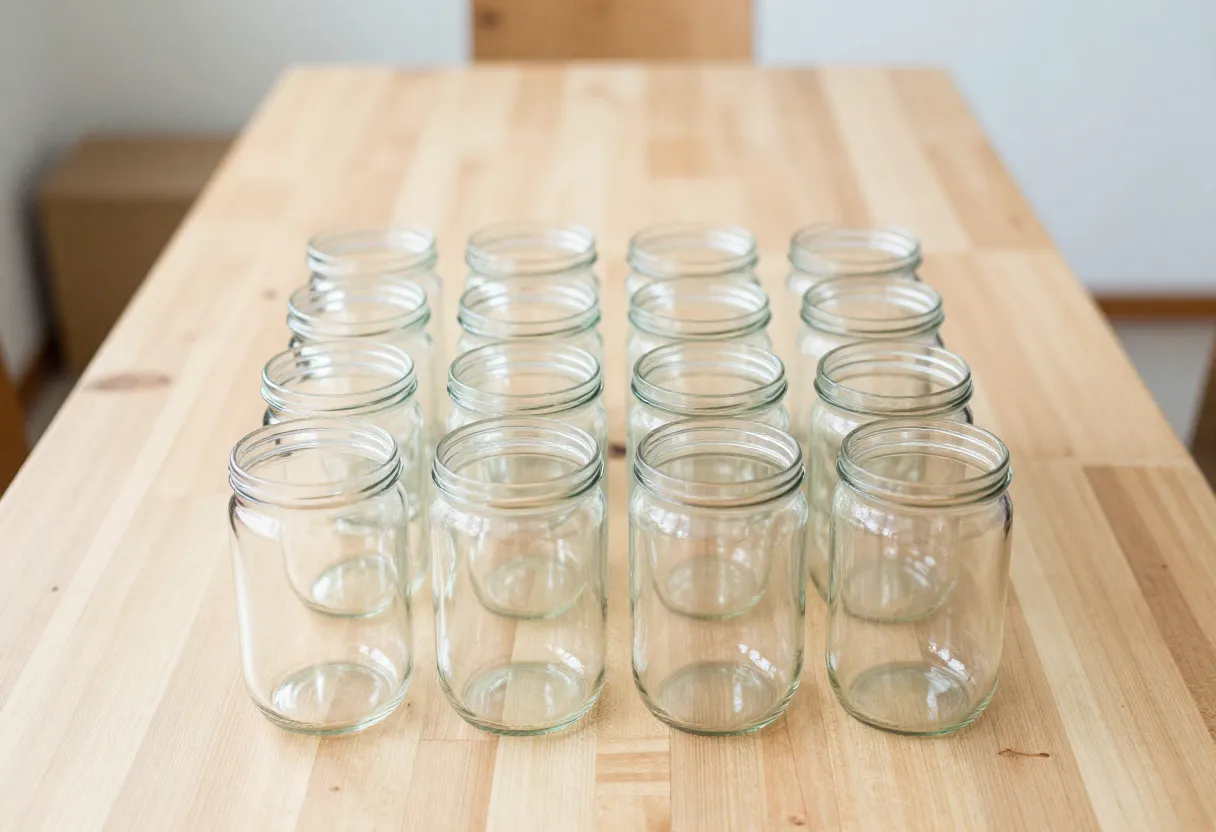
- Prepare the containers. Clean and dry them, fix the wicks and center them. Lay them out in the pour zone.
- Weigh the wax and the fragrance into separate containers. Write the weights down.
- Melt gently, stirring, with a lid and a thermometer. Never leave hot wax unattended.
- Add fragrance and dye off the heat, at the temperature your supplier gives, and stir well.
- Pour into the prepared containers, at the temperature your supplier gives, on a level surface, away from drafts.
- Let the candles set undisturbed. Do not move them while the wax is soft.
- Clean up while it is warm. Wipe equipment, and do not pour wax down a drain.
- Fill in the batch sheet straight away, while you remember it.
Doing the same steps in the same order every time is what makes a batch repeatable. If you notice a different order giving a better candle, change the written procedure, then do the new one every time.
Scale a recipe without breaking it
Scaling is more than multiplying. A recipe that works for one candle can fail at ten times the size, because bigger amounts of wax heat, cool and set differently.
- Scale the weights, not the numbers you remember. The Batch Scaler scales every ingredient at once, and the Wax Calculator works out how much wax your containers need.
- Check the fragrance weight with the Fragrance Load Calculator. Staying within your wax’s maximum is not negotiable at any size.
- Scale in steps. Go from one candle to a small batch, and from a small batch to a full one. Burn test each step. See Burn Testing and Curing.
- A change of container is a new recipe. Even a container that looks the same can have different walls or width. Retest the wick with the Wick Selector.
- Bigger melts mean bigger risks. A larger pot is heavier, holds more heat and takes longer to cool. Use lifting aids, keep your path clear and never move a full pot of hot wax in a hurry.
- Expect cooling and pour timing to change in bigger batches. Your first big batch is a test too.
Make every candle the same
Consistency is the real product. Customers who buy a candle a second time are buying the first one again.
- Weigh everything, including the fragrance. Never measure by volume or by drops.
- Write down every batch. What you did is the only thing you can repeat.
- Use the same suppliers and record lot numbers. A new lot, or a new formula, is a reason to retest.
- Control the room. Pouring in a cold, drafty room gives different results from pouring in a warm, calm one. Try to pour in similar conditions.
- Change one variable at a time. If something is wrong, you will know what to fix.
- Keep a reference candle from every batch, labeled. If a customer reports a problem, you can burn the same candle.
The batch record
A batch record is a sheet you fill in for every pour. It does not need to be fancy. It needs to be complete.
You can keep batch records on paper, in a spreadsheet, or in the Burn Test Log, which stores recipes and test results in your browser. Put a batch number on every candle so it can be traced back to its record. It is also useful on the label, as described in Candle Labels and Compliance Basics.
Stock and suppliers
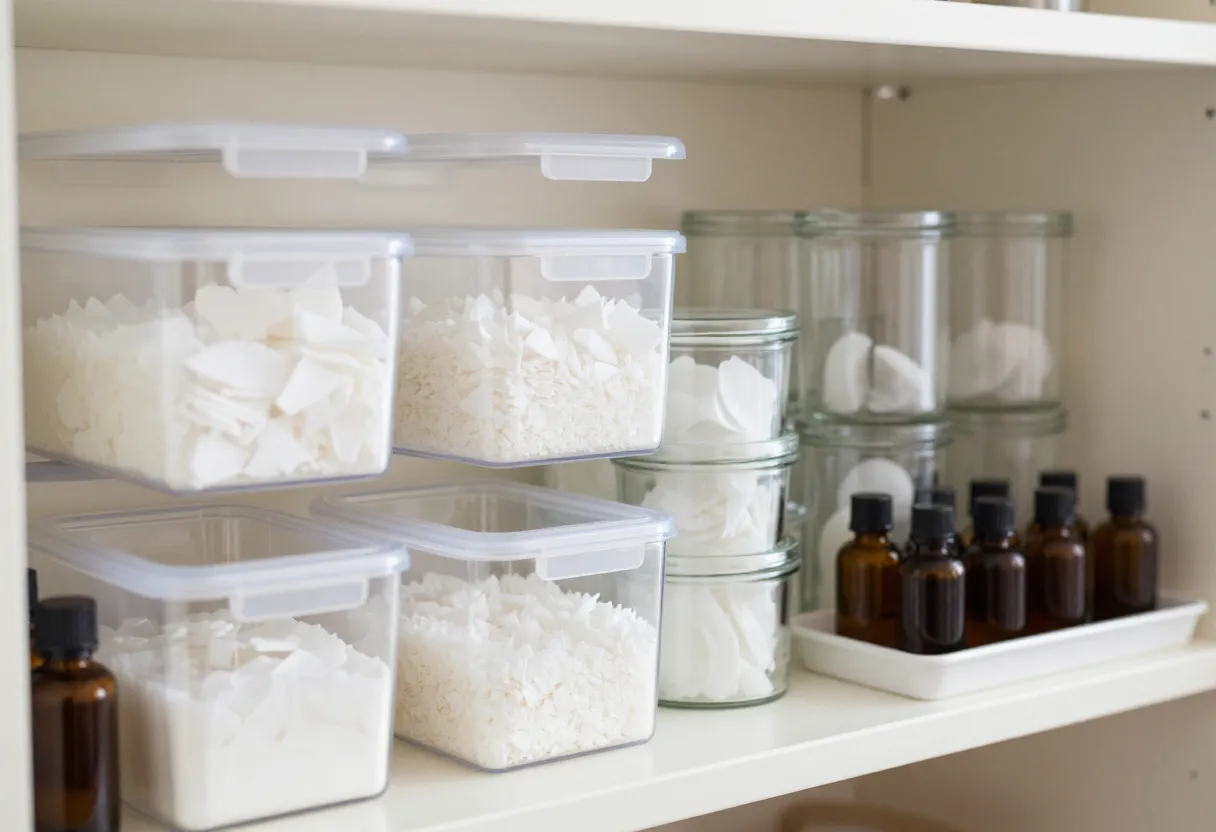
- Store wax cool and dry, covered, and away from sun and dust. Follow the supplier’s storage advice.
- Store fragrance oils closed, in a cool, dark place, away from heat, flame, children and pets, and keep the safety data sheet for each.
- Use the oldest stock first, and write the date on everything when it arrives.
- Keep a minimum stock of the things that stop a batch if they run out: wax, wicks, jars and labels.
- Order with the cure in mind. If a candle needs weeks to cure, a late order is also a late sale. The Pour and Cure Guide works out when a batch will be ready.
- Keep the paperwork: safety data sheets, supplier statements, and invoices.
Count the cost and the time
A batch is only worth making if the numbers work. Time yourself on a batch, and count it. The Cost and Pricing Calculator includes your time, packaging and fees in the price of a candle. If a recipe takes twice as long as you thought, the price should reflect it.
Clean up well
- Never pour wax down a drain. It hardens in the pipes. Wipe equipment while it is warm, or pour leftover wax into a disposable container.
- Let equipment cool before you wash it.
- Handle rags with care. Rags with wax or fragrance oil on them should be dealt with as the oil’s safety data advises.
- Keep a spill plan: something to soak up and contain wax, and a clear route out.
When you outgrow the kitchen
A dedicated space can be safer and tidier, and a business that grows may need one. Before you move, or when you start to sell in volume, check the rules that apply to you: local rules about running a business from home, the terms of a lease or a homeowner’s policy, and whether your insurance covers the work. These differ from place to place, so ask the people who set them.
Common questions
How big should a first batch be?
Large enough to test properly, small enough to throw away if it fails. A dozen candles is plenty to learn from.
Do I need a separate room?
No, but you need a separate zone, and a routine for clearing it. A table that is only for candle work, in a room with good airflow, is a good start.
How often should I check my scale and thermometer?
Check them when something unexplained goes wrong, and every so often anyway. A drifting tool is a hidden variable.
Can I scale a recipe by multiplying it?
You can scale the weights, but you must test the result. See above.
What records matter most?
The batch record, with the lots of everything you used, and the burn test results. Without them you cannot repeat a good candle or find the cause of a bad one.
Where to go next
- Batch Scaler and Wax Calculator to scale a recipe.
- Burn Test Log for batch and test records.
- Burn Testing and Curing to prove each batch.
- Candle Labels and Compliance Basics before you sell.
- Selling Candles for pricing, listings and shipping.
- Candle Safety before every batch.
Questions or corrections? Send a note. Ready for the next step?Browse more guides.