

Guides Business
Wholesale and Custom Candle Orders: Selling Beyond Your Shop
How to sell candles to shops and take custom orders: wholesale pricing, minimums, samples, consignment, quotes, deposits, proofs, testing and delivery, without losing money.
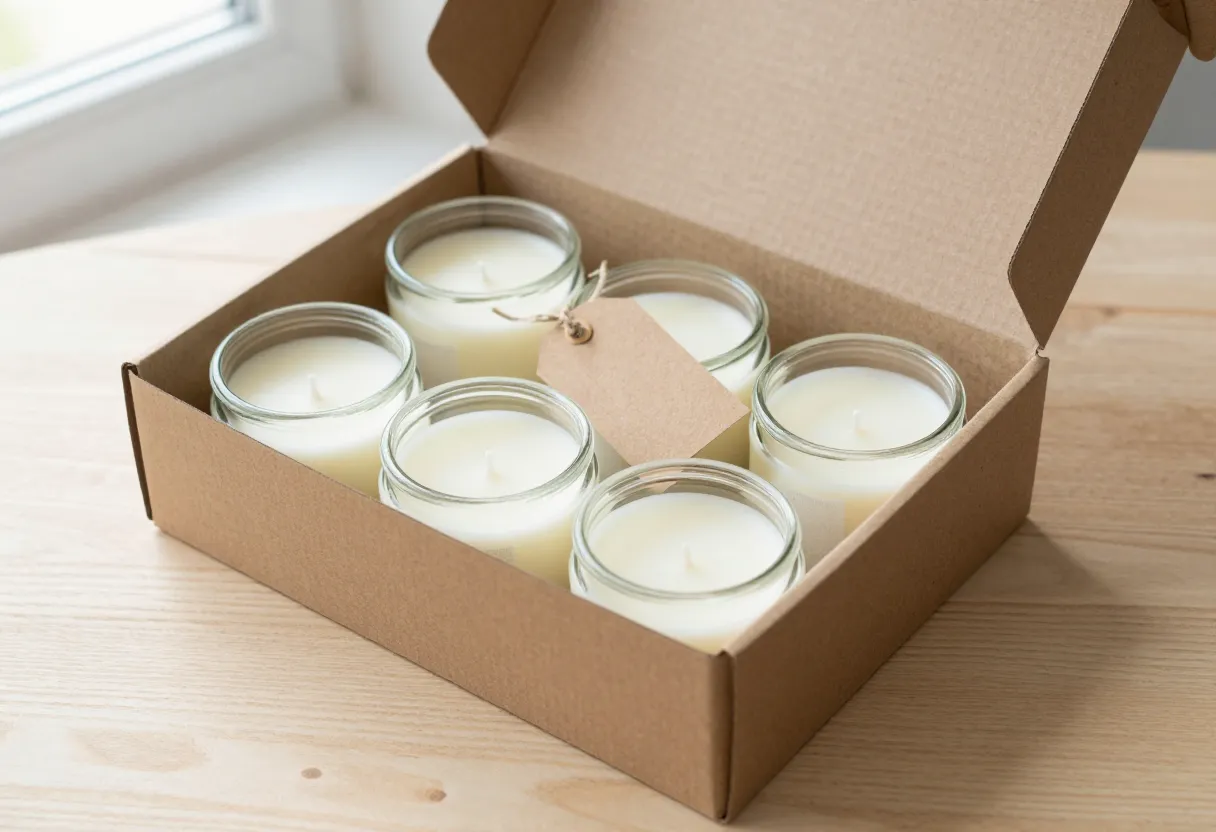
A candle shop of your own is one way to sell candles. There are two others that can grow a business faster, and trip it up more easily. Wholesale means selling your candles in bulk to other shops, which sell them on to shoppers. Custom orders means making candles to someone’s request: wedding favors, corporate gifts, a signature scent for a cafe. Both mean bigger orders, firm deadlines and less room for error than a single sale on a marketplace.
This guide covers how to approach each one: how to price, what to ask, what to put in writing, how to test and make a bigger order, and how to deliver. It builds on Selling Candles and Candle Workshop Setup and Small-Batch Production.
Are you ready?
Both routes ask more of you than a single online sale. Before you say yes to an order:
- Your candles are tested and consistent. You can pour the same candle twenty times and get the same result. See Burn Testing and Curing.
- You have a real cost, and a real margin. Selling at a lower price only pays if the numbers still work. See the Cost and Pricing Calculator.
- You can make the volume, on time. Count the hours, the cure time and your supplies.
- Your labels, warnings and records are in order. See Candle Labels and Compliance Basics.
- You are covered. Many shops and event organizers ask for proof of product liability insurance. See Starting a Candle Business.
If any of these is shaky, fix it first. A big order is the worst time to find out.
Wholesale: selling to shops
A shop that buys from you pays less than a shopper would, because it needs room to cover its costs and make a profit. That is the central fact of wholesale pricing, and it is where new makers go wrong.
Work out the price from the retail price down
- Start with your cost, including materials, packaging and your time.
- Choose a wholesale price that leaves you a profit after any costs the sale adds, such as shipping to the shop. A common starting rule of thumb is to set wholesale at about double your cost.
- Check the retail price that follows. Shops commonly sell at about twice the wholesale price. If your candle would need to sell for more than shoppers will pay, either the price or the product has to change.
- Keep your own retail price in line. If you also sell directly, do not undercut the shops that carry you. Stay at or above the price you suggest to them.
Rules of thumb are only starting points. Run the numbers with your own costs, and see what is left.
Terms to decide before the first order
| Term | What to settle |
|---|---|
| Minimum order | The smallest order you will take, in dollars or in candles, so a small order does not cost you more than it earns |
| Case or pack sizes | Selling in sets, such as a set of six, makes packing and counting simple |
| Payment | When you are paid: upfront, on delivery or after a set number of days. Be careful with long payment terms |
| Lead time | How long an order takes, including cure time. Give yourself a buffer |
| Shipping | Who pays, and how it is sent. See Shipping and Packaging Candles |
| Reorders | How a shop reorders, and how far ahead |
| Damage and returns | What happens if a parcel arrives broken |
| Exclusivity | Whether a shop gets sole rights to your candles in an area. Be cautious about giving it |
Write the terms down in a short document you send with every quote. It saves arguments.
A line sheet
A line sheet is a one-page list of what you sell to shops: photos, names, sizes, scents, wholesale prices, suggested retail prices, minimums and terms. It is the first thing a buyer wants to see. Keep it short, clear and current. See Candle Photography for the pictures.
Samples
Buyers want to see and smell before they order. Offer a small sample set and decide whether you charge for it, and what you ask in return.
Make samples from the same recipe and the same batch process you will use for the order, not a one-off. Otherwise the order will not match what the buyer approved.
What shops expect
- Labels and warnings on every candle, and a batch code you can trace. Some shops want to see how you label before they buy. See Candle Labels and Compliance Basics.
- Safety information. A shop that sells candles will want to know they are tested and safe, and may ask for your safety data and your insurance.
- Packaging that survives shipping and looks good on a shelf.
- Reliable delivery. A shop that runs out of your candles because you were late will not reorder.
Consignment
In a consignment arrangement, a shop displays your candles and pays you only after they sell. It lowers the shop’s risk and raises yours.
- Put everything in writing: which products, the prices, the split of each sale, how often you are paid, how sales are reported, and what happens to unsold candles and damaged ones.
- Count what you leave, and record it.
- Visit and restock, and check how your candles are displayed and stored. A candle left in a sunny window or a hot shop can be damaged.
- Check the shop is solvent, and ask about insurance and loss.
- Start small. Do not leave more stock than you can afford to lose.
Markets and craft fairs
Selling in person is a good way to learn what people want. Some points:
- Read the organizer’s rules, including their insurance, display and fire-safety requirements, and what they allow in terms of burning candles.
- Keep any lit candle well away from anything flammable, attended at all times, and put it out when the booth is empty. See Candle Safety. Many events do not allow open flames at all.
- Plan for weather, since heat and cold affect candles, and bring covers for rain and wind.
- Keep your stock cool and out of the sun while you are set up.
- Track what sells, and what people ask for.
Custom orders
A custom order is a candle made to someone’s request. It can be lucrative, and it can be a trap, because each order is a new product that has to be developed, tested and delivered on a deadline.
Ask the right questions first
- What is it for? A wedding, a gift, a shop, a corporate event. It sets the deadline and the mood.
- How many, and by when? Work back from the date, allowing for cure, testing and shipping. See Seasonal Candle Planning for working backward.
- What scent, color and container? Say what is possible with your recipes, and be honest about what is not.
- What labeling? A custom label, a logo, a message. Check each is allowed, and who supplies the artwork.
- What is the budget? It shapes everything else.
Put it in a quote
A written quote protects both of you. It should say:
- What you will make: scent, size, container, color and quantity.
- The price per candle, and the total, including any setup, label and packaging costs.
- The deposit, when the balance is due, and what happens if the order is cancelled.
- The timeline: when you start, when you finish, and the delivery date.
- Who approves the sample, and what happens if the customer changes their mind.
- Shipping or pickup.
- How long the quote is valid.
Price it properly
Custom work takes more of your time than a standard candle: messages, samples, extra testing, special labels and packing. Add it to the price. A small order can cost more per candle than a large one, so consider a minimum. Work the costs out with the Cost and Pricing Calculator and Batch Scaler.
Sample, approve and test
- Make a sample first, and have the customer approve it in writing. It is far cheaper to change a sample than a finished order.
- A new scent or a new container is a new recipe. Run a burn test before you commit to the whole order. See Burn Testing and Curing and Scent Blending 101.
- Use the same process for the order as for the approved sample.
- Keep a reference candle from the batch.
Labels, logos and artwork
If a customer wants their own logo, name or artwork on the candle, make sure they have the right to use it, and that you are not asked to copy someone else’s brand, a character or a trademark. If you are unsure, ask. Warnings and the front label still need to be on the candle, whoever’s name is on the front. See Candle Labels and Compliance Basics.
Deposits and deadlines
- Ask for a deposit that covers your materials, and keep the balance due before you ship or on delivery.
- Build in a buffer. Add time for cure, for a failed test and for shipping.
- Say no sometimes. A rushed order with an impossible deadline is not worth the risk to your quality or your reputation.
Make, test, deliver
Scale the batch in steps and test as you go. See Candle Workshop Setup and Small-Batch Production. Pack carefully, and tell the customer when it ships, with tracking. See Shipping and Packaging Candles. Afterward, ask how it went, and what they would do next time.
Keep it fair for you
- Do not let a big order sink the rest of your business. Count your capacity, and do not stretch.
- Record everything: the quote, the approvals, the batch, the tests and the delivery.
- Learn from each one. Note what took longer than you thought, and change the price next time.
Common questions
How much do shops pay for candles?
Less than the retail price. A common starting rule of thumb is to price wholesale at about double your cost, and for the shop to sell at about double that, but your costs and your market decide the real numbers.
Do I need a minimum order?
It is a good idea. It stops small orders from costing you more than they earn.
Is consignment a good idea?
It can help you get into a shop, but you carry the risk of unsold or damaged stock. Start small, write down the terms and count what you leave.
Can I make custom candles with someone’s logo?
Only if they have the right to use it. Ask, and do not copy anyone’s brand without permission.
Should I charge for samples?
Many makers do, or credit the cost against a first order. Decide on a policy, and keep it.
What if a customer wants changes after approving the sample?
Put the approval step in your quote, say what a change costs, and say what it does to the deadline.
Where to go next
- Selling Candles for pricing, listings and the business basics.
- Starting a Candle Business for registration, taxes and insurance.
- Candle Labels and Compliance Basics for labels and warnings.
- Shipping and Packaging Candles for getting them there.
- Cost and Pricing Calculator to work out your margin.
Questions or corrections? Send a note. Ready for the next step?Browse more guides.