Guides Waxes
Natural and Eco-Friendly Candles: Materials and Honest Claims
What goes into a more natural candle, the trade-offs in waxes, wicks, fragrance and containers, and how to describe it honestly using the FTC's rules on environmental claims.
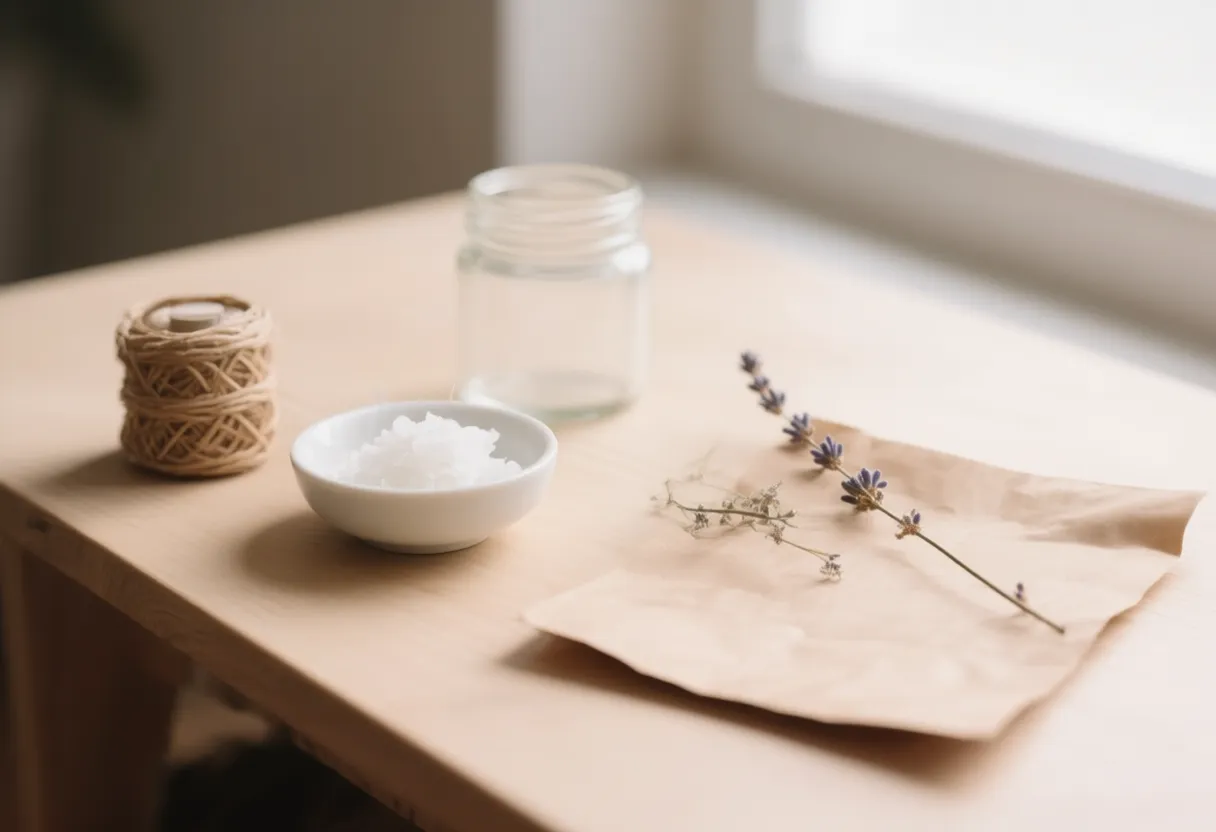
Plenty of candle buyers want something that feels more natural or kinder to the environment, and plenty of makers want to offer it. That is a good instinct. It also comes with two traps. The first is assuming that a material is better because of its label: “natural” does not mean safe, and “eco-friendly” does not describe any particular thing. The second is describing your candles in words you cannot back up, which can mislead customers and put you on the wrong side of the rules on advertising.
This guide covers both sides: the real choices in materials, and how to describe them honestly. It builds on Candle Waxes Explained, Candle Wicks Explained, Candle Fragrance Explained and Candle Containers Explained.
No material is automatically better
Every material has trade-offs, and a candle’s behavior depends on the whole recipe, not one ingredient. The wick, the fragrance, the container and your burn tests matter at least as much as the wax. A few cautions:
- “Plant-based” is not the same as “better.” Different waxes behave differently, and each has its own sourcing and processing. The waxes guide describes them without taking sides.
- Claims that one wax burns cleaner than another are often overstated. Soot and smoke come mostly from the wick size, the fragrance load, drafts and the container. A badly wicked candle made from any wax will smoke. Prove it with a burn test, not a slogan.
- “Natural” does not mean harmless. Natural materials can irritate skin, trigger allergies or be flammable. Safety comes from using materials made for candles, reading the safety data and testing.
The materials, one at a time
Wax
Candle wax comes from plants, animals and petroleum, and many are blends. If you want to say what is in your candle, you need to know. Ask your supplier what the wax is made from, whether it is a blend, and whether it contains additives. A “soy wax” may be a blend, and a blend may contain other waxes or additives. Say what your supplier can document, nothing more.
Wicks
Wicks are usually braided cotton or paper, or thin strips of wood, sometimes with a core. Some wicks have a metal core, and the lead in a metal core is regulated. See Candle Labels and Compliance Basics. Ask your supplier what the core and braid are made of, and keep their answer. Remember that a wick must be tested in your candle. See the Wick Selector.
Fragrance
Fragrance can be synthetic, natural or a blend, and “natural” fragrance is not automatically safer. Essential oils can irritate skin or be allergens, and they vary in flash point and in how well they work in wax. Use fragrance made for candles, read its safety data sheet, and stay within your wax’s limits. A candle with no fragrance at all is an honest option for customers who prefer it.
Dye
Natural colorants can fade, shift or clog a wick differently from the dyes made for candles. If you use them, test them. See Candle Dye Explained.
Containers
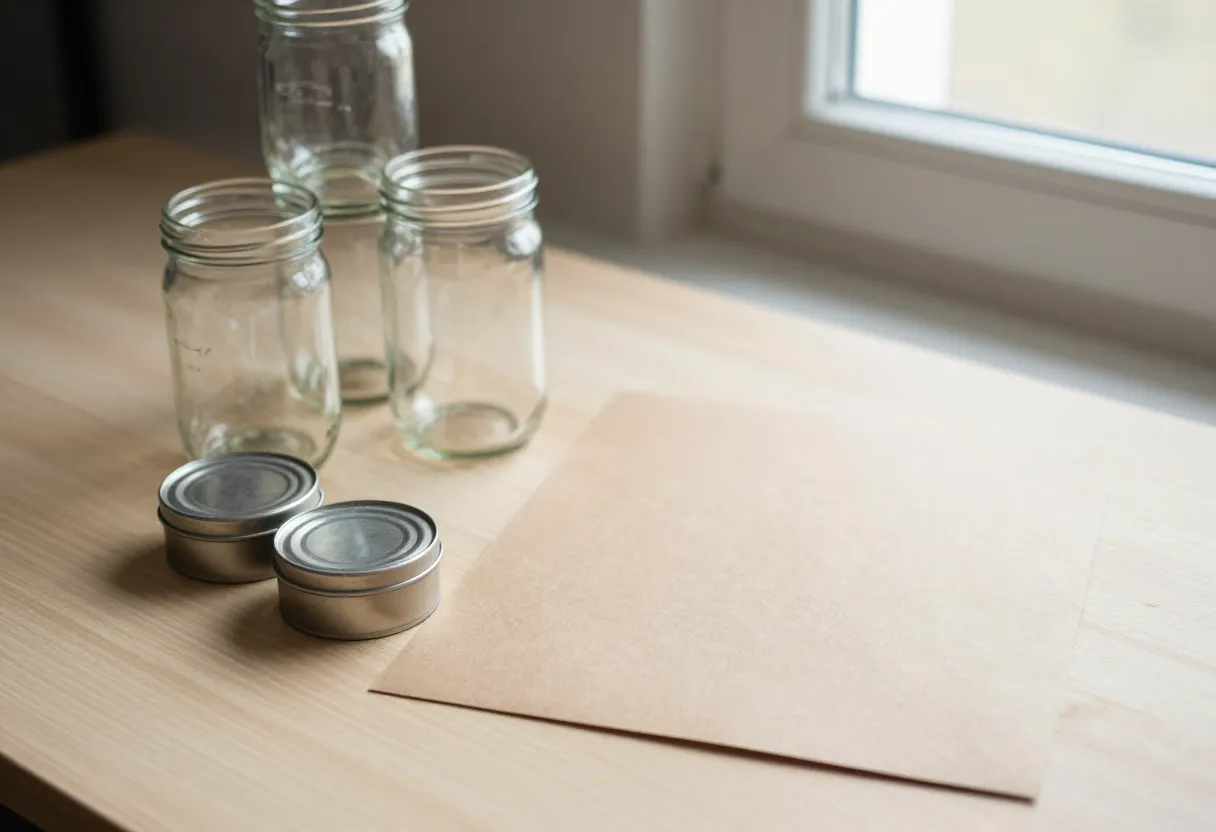
Glass, tin and ceramic are the usual choices, and each has a different footprint. The most useful question is what happens to the container afterwards. A jar a customer will keep and reuse is a different story from one that goes in the trash. Whether a container can be recycled depends on the local recycling program, not on the material alone, so avoid promising it unless you know where you sell. Use containers made for candles. See Candle Containers Explained.
Packaging
Packaging adds up. Choose materials that protect the candle without waste, and be careful about claiming that packaging is recyclable or compostable unless you know it is, where your customers live. See Shipping and Packaging Candles.
Be honest about what you say
In the United States, the Federal Trade Commission publishes the Green Guides, in 16 CFR Part 260 (also at Cornell’s Legal Information Institute), to help marketers avoid misleading environmental claims. The Guides are guidance, not a rulebook for every case, but they show how the FTC thinks about claims, and misleading advertising can be a legal problem in its own right. The main ideas for a candle maker are these.
- Do not make broad claims like “green” or “eco-friendly” with no explanation. A broad claim like that can suggest the product is better for the environment in every way, which is almost impossible to prove. If you make an environmental claim, limit it to a specific benefit, say it clearly, and be sure it is true.
- “Non-toxic” is a strong claim. It can suggest the product is non-toxic for people and for the environment. You need solid evidence for what you say, or you should not say it, or you should qualify it clearly.
- “Natural” has no standard in the Guides, but it is still a claim, and it still has to be truthful and backed up. If shoppers will read it as a benefit, or as better than other candles, you need to be able to support it.
- Seals and certifications count as claims too. A badge that does not say what it means can suggest a broad environmental benefit. A third-party certification does not remove your own responsibility to be able to back up everything the claim suggests.
- You need substantiation, meaning evidence you can show, for the claims you make, including claims that are only implied.
Say what is in it
The most honest description of a candle is a plain list of what it is made from, in specific, true words.
- Name the materials, such as “soy-based wax blend, cotton-core wick, candle-grade fragrance oil, glass jar.”
- Match the claim to the facts. If you call a candle “100% soy,” your wax must be that, and you should have your supplier’s statement. If it is a blend, say “soy blend.”
- Be careful with “free from” claims. Statements like “paraffin-free” or “lead-free wick” are specific, but they must be true and documented by your suppliers.
- Do not borrow claims. A competitor’s wording may not be true of your candle.
Keep a claims file
For each claim in your listings, labels and posts, keep the evidence:
- The claim, in the exact words you use, and where it appears.
- The proof: a supplier statement, a safety data sheet, a certificate or a test record.
- The date, and who checked it.
- A reminder to recheck when you change a supplier, a recipe or a container.
If you cannot find proof for a claim, change the claim.
What you can do that does not need a claim
Some of the best steps are simply good practice, and you can describe them plainly.
- Pour only what you need. Work out the right amount of wax with the Wax Calculator and the Candle Math guide, and cut waste.
- Reuse leftover wax in test candles or wax melts where you can do so safely.
- Make candles that last, and tell customers how to burn them well. See How to Burn and Care for a Candle.
- Choose reusable containers and simple packaging, and ship efficiently.
- If you offer refills, check every returned jar for chips and cracks, clean it properly and relabel it, because the label and warning must match the candle inside.
A checklist before you publish a claim
- Is it specific, or is it a vague word like “green”?
- Is it true, for this candle, today?
- Can I show the evidence if I am asked?
- Does it say more than I mean, including by implication?
- Does a customer need a qualification to read it correctly, and is it close to the claim and easy to see?
- Does it still hold if I change supplier or recipe?
Common questions
Can I call my candles “eco-friendly”?
A broad claim like that is risky, because it suggests an overall benefit that is hard to prove. Say something specific and true instead, such as what the candle is made from.
Can I say my candles are “non-toxic”?
It is a strong claim that can suggest safety for people and the environment. You need strong evidence, and a safer choice is to describe the materials and let customers judge.
Is soy wax better than paraffin?
They are different, with different trade-offs. A candle’s burn depends on the whole recipe and your testing, so avoid claims that one is simply better.
Do essential oils make a candle safer?
Not automatically. They can irritate skin or be allergens, and they vary in flash point and performance. Check the safety data for each one.
Do I need a certification?
No. A certification can help build trust, but check what it covers, and remember it does not replace your own duty to back up your claims.
What if a customer asks what is in my candle?
Tell them truthfully, from your supplier documents. If you do not know, find out before you answer.
Where to go next
- Candle Waxes Explained for the waxes and their trade-offs.
- Reading a Safety Data Sheet to check fragrance and dye.
- Candle Labels and Compliance Basics for the label rules.
- Starting a Candle Business for the wider business basics.
- Selling Candles to write listings that sell without overclaiming.
Questions or corrections? Send a note. Ready for the next step?Browse more guides.